

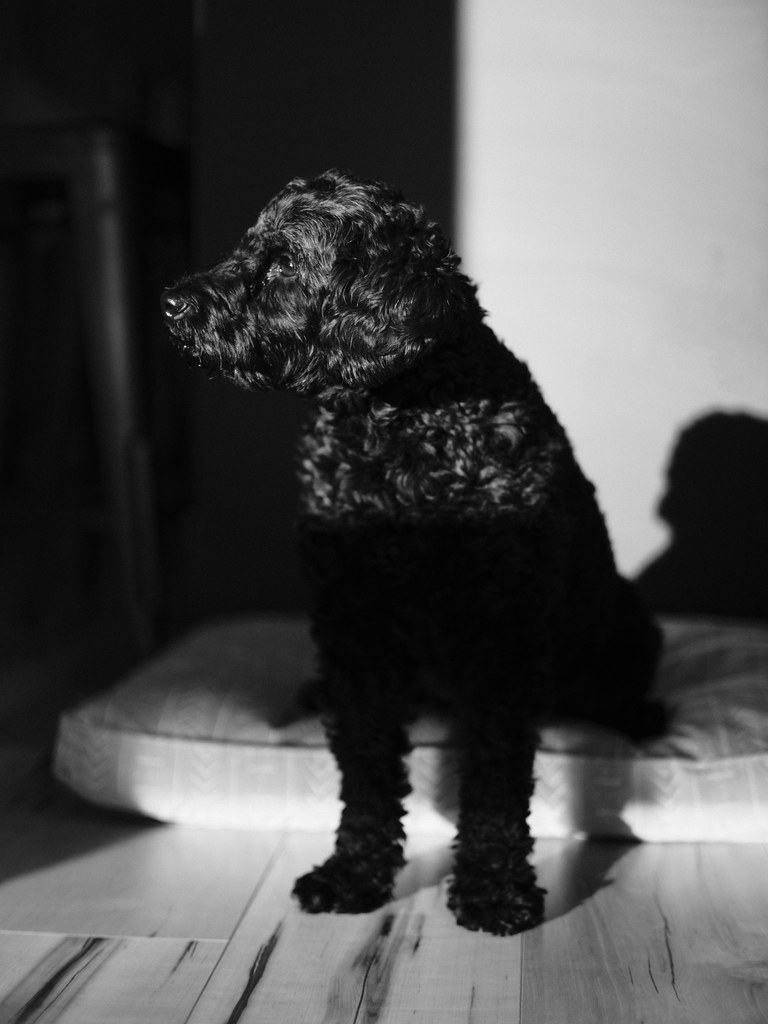
Your dog scratches for ten minutes after every bath. You reach for the brush, and he's already backing out of the bathroom. That's not a stubborn dog. That's a dog telling you the routine hurts.
Sensitive skin doesn't mean you skip grooming. It means you slow it down and change the order of operations. If your dog's coat type or skin makes home grooming feel like a losing battle, a groomer who works with reactive dogs is a reasonable call, and owners in Utah can look into Dog Grooming Bountiful as one option for a routine handled by people who see it often. Below is a routine built for reactive skin: cooler water, shorter sessions, fewer products, and a hard line on which steps to skip entirely.
You'll also get the signs that mean stop and call your vet instead of reaching for another shampoo.
Why Sensitive Skin Changes the Whole Routine
Most grooming advice assumes a dog with normal skin can handle anything: hot water, a strong shampoo, a slicker brush dragged down the spine. A reactive coat throws all of that out. Heat strips oils. Harsh surfactants leave the coat dry and tight. A rough brush on already irritated skin turns a five-minute job into a week of scratching.
Veterinary researchers have documented that grooming-related skin concerns are a common reason owners bring dogs in, which tells you how often the routine itself becomes the problem. The PMC review is worth a read if you want the clinical side.
Here's my stance: if your dog's skin reacts, treat grooming as a medical-adjacent task, not a cosmetic one. Once you accept that, every choice that follows gets simpler.
Start With Water Temperature, Not Shampoo
Owners obsess over which bottle to buy and ignore the tap. Warm water feels good to your hands and feels hot to a dog with a thin or irritated coat. Run it lukewarm, closer to room temperature than to a hot bath, and test it on your inner wrist first.
Don't linger in the tub. Wet the coat, shampoo, rinse, done. Every extra minute in standing water softens skin and pulls moisture out of the coat. If your dog is large or anxious, split the bath into two sessions across a week rather than forcing one long one. For a broader look at everyday care, see Keeping Your Dog Clean, Comfortable, and Happy.
Pick Fewer Products, and Read the Label
A dog with sensitive skin needs fewer bottles, not more. A gentle oatmeal or hypoallergenic shampoo covers most cases. Skip the perfumed finishing spray, the detangling mist, and the foaming paw wash unless your vet specifically recommends one.
When you do buy, look for fragrance-free formulas and short ingredient lists. The American Veterinary Medical Association keeps consumer guidance on pet care that's worth bookmarking before your next shopping trip, and its AVMA site is a solid starting point. And here's the part owners skip: patch test. Apply a small amount to one spot on the back, wait a day, and watch. If the skin reddens or your dog licks at it, that product is out.
The Brush Matters More Than You Think
A slicker brush with stiff wire pins is the wrong tool for reactive skin. It scrapes. Switch to a soft-bristle brush or a rubber curry comb, and work in short strokes with light pressure. Any flinch means you're pushing harder than the skin wants.
Do the brushing while the coat is dry, before any water touches it. Dry brushing lifts loose hair and debris without dragging through wet, tender skin. Cap each session at five or ten minutes. A dog that tolerates a short brush twice a week beats a dog that endures one long session, then spends the evening under the couch.
A Step-by-Step Routine You Can Actually Follow
Here's the sequence I'd use for a dog with a history of itchy skin. Run it once, watch how your dog responds, and adjust.
- Prep the space. Non-slip mat in the tub, towels within reach, water already lukewarm before the dog walks in.
- Brush dry, gently. Five to ten minutes with a soft brush. The moment he pulls away, you're done.
- Wet and shampoo. Lukewarm water, gentle shampoo, rinse until the water runs clear. Leftover shampoo residue is a common irritant.
- Dry thoroughly. Pat, don't rub. Damp skin under a thick coat is a breeding ground for irritation.
- Check the skin. Spread the hair apart along the back and flanks to see what's underneath. Redness, flakes, or hot spots mean a call to your vet, not another bath.
The one step owners rush is the rinse. Run your hand through the coat while the water flows. Slick residue means there's more to rinse out. Shampoo left sitting on skin overnight is the quiet reason a bath "suddenly" causes a flare-up two days later.
What to Skip, and When to Call Your Vet
Skip the hot bath, the perfumed spray, the tight brush, and the long session. Skip home remedies you found in a comment thread, too. Some of them irritate skin worse than the problem you started with.
Call your vet if you see open sores, spreading redness, hair loss in patches, or a dog that won't stop scratching after grooming. Those aren't grooming problems anymore. They're skin conditions that need a diagnosis, and no shampoo fixes that.
The Bottom Line
Sensitive skin doesn't mean no grooming. It means cooler water, fewer products, a softer brush, and shorter sessions. Let your dog set the pace rather than the clock. He'll tell you when the routine is working, and he'll tell you when it isn't.
What's the one grooming step your dog dreads most? Fix that one first, and the rest of the routine usually gets easier.











1 thought on “How to Handle Grooming When Your Dog Has Sensitive Skin”