

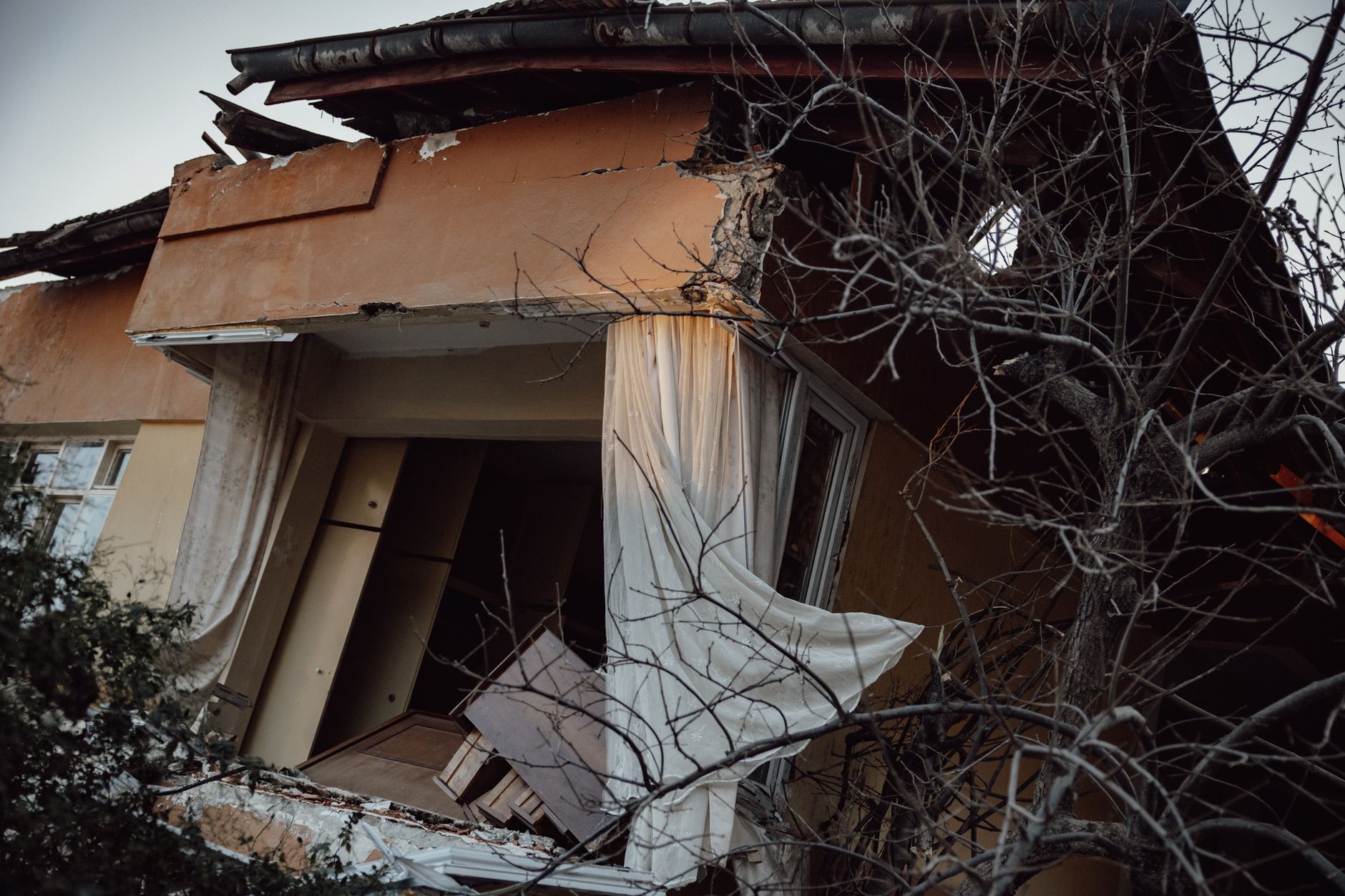
Water damage can happen unexpectedly and can affect almost every part of a property, from flooring and drywall to insulation, cabinetry, electrical systems, and structural materials. A burst pipe, leaking appliance, damaged roof, overflowing fixture, severe storm, or plumbing failure can introduce a large amount of water into a building within a short period. Even a small leak can become a significant concern when it remains unnoticed for an extended period. Beyond the visible damage, moisture can travel into hidden spaces, where it may weaken materials, create unpleasant odors, and contribute to microbial growth.
Effective water damage restoration involves much more than removing standing water. It is a process of identifying the source, controlling the spread of moisture, removing affected materials when necessary, drying the structure thoroughly, cleaning and treating damaged areas, and restoring the property to a safe and functional condition. Understanding each stage can help property owners respond more effectively when water damage occurs and make informed decisions about professional restoration services.
Understanding Water Damage and Its Potential Impact
Water damage occurs when unwanted moisture enters areas of a building that are not designed to remain wet. The severity can vary considerably depending on the amount of water, how long it has been present, the source of the water, and the materials affected. A small plumbing leak may damage a limited section of drywall, while a major pipe failure can affect flooring, walls, ceilings, furniture, and structural components throughout several rooms.
Different building materials react differently to moisture. Drywall can become soft and swollen, wood may absorb water and change shape, flooring can buckle or separate, and insulation can lose some of its effectiveness when saturated. Porous materials can hold moisture for longer periods, making thorough drying essential.
Water can also move beyond the location where it first appears. It may travel through wall cavities, beneath flooring, along ceilings, or into adjacent rooms. For this reason, visible water should not always be considered the full extent of the problem. A professional assessment can help determine how far moisture has spread and which materials require attention.
Common Causes of Water Damage
Plumbing failures are among the most frequent causes of indoor water damage. Broken supply lines, leaking pipes, failed valves, damaged fittings, and overflowing fixtures can release water rapidly. Even slow leaks can eventually cause extensive deterioration when they remain hidden behind walls, under cabinets, or beneath flooring.
Appliances can also become sources of water damage. Washing machines, dishwashers, water heaters, refrigerators, and other equipment may develop leaking hoses, failed connections, or internal malfunctions. Because these appliances are often connected directly to a water supply, a small failure can release a substantial amount of water.
Roof and exterior problems can introduce moisture from outside. Damaged roofing materials, blocked drainage systems, failed flashing, and deteriorated exterior components can allow rainwater to enter a building. Storm-related damage can make these problems more severe by creating openings that expose interior spaces to precipitation.
Drainage and sewer-related problems present another category of concern. Overflowing drains and contaminated water can introduce substances that require specialized handling and cleaning. The source of the water should therefore be identified before cleanup begins because different types of water may require different restoration procedures.
Why Immediate Action Is Important
The longer water remains in a building, the greater the potential for damage to spread. Porous materials can absorb moisture quickly, and water can migrate into spaces that are not immediately visible. Prompt action can limit the amount of material that needs to be removed and may improve the chances of salvaging certain belongings.
Rapid response is particularly important when water is affecting electrical components, ceilings, structural materials, or areas with extensive moisture. Property owners should prioritize safety and avoid entering areas where electrical hazards or structural instability may be present.
Stopping the source is one of the first priorities whenever it can be done safely. A leaking appliance may need to be shut off, while a plumbing emergency may require the appropriate water supply to be closed. If the source cannot be safely controlled, professional assistance may be necessary.
Once the source has been addressed, the affected area should be evaluated rather than simply dried superficially. Water that appears to have disappeared from the surface may remain trapped beneath flooring, inside walls, or within other materials.
The Initial Water Damage Assessment
A thorough assessment is the foundation of effective restoration. Professionals typically examine the affected areas to determine where moisture is present, how far it has traveled, and which materials have been impacted. Depending on the situation, moisture detection equipment can help identify damp areas that are not visible.
The source and type of water should also be considered. Clean water from a supply line may present different restoration requirements than water from a drain, sewage system, or contaminated external source. The level of contamination can affect which materials can be safely cleaned and which need to be removed.
The condition of the building should also be evaluated. Inspectors may look for damaged drywall, flooring, insulation, wood components, cabinetry, electrical concerns, and other affected elements. This information helps determine the appropriate restoration plan.
Documentation can be useful throughout the process. Photographs and written records of affected areas may help property owners track progress and communicate with insurance providers when applicable. Professional restoration companies often document moisture conditions and completed work as part of their service.
Removing Standing Water
When water is present on floors or other surfaces, removing it as soon as practical can help limit further absorption. Depending on the volume and location, professionals may use pumps, wet vacuums, extraction equipment, or other specialized tools.
The appropriate equipment depends on the type and severity of the water intrusion. Small amounts of water may be manageable with basic equipment, while significant flooding can require high-capacity extraction systems.
Water removal should be followed by a careful inspection because removing visible water does not necessarily mean that the building is dry. Moisture can remain underneath flooring, behind baseboards, inside wall cavities, and in other concealed areas.
Improper or incomplete extraction can allow moisture to remain trapped and prolong the restoration process. For this reason, drying should be approached as a systematic process rather than simply waiting for surfaces to feel dry.
Structural Drying and Moisture Control
Drying is one of the most important stages of water damage restoration. Professional drying may involve air movers, dehumidifiers, ventilation, and other equipment designed to remove moisture from both materials and the surrounding air.
The goal is not simply to make surfaces appear dry. Materials need to reach appropriate moisture conditions before restoration is considered complete. Professionals may use moisture meters and other tools to monitor progress in affected materials.
Air movement helps encourage evaporation, while dehumidification removes moisture from the indoor environment. The combination can accelerate drying and reduce the likelihood that moisture will remain trapped.
Drying times vary depending on factors such as temperature, humidity, material type, water volume, and ventilation. Some materials may dry relatively quickly, while others can retain moisture for much longer. Continuous monitoring helps determine when the process is actually complete.
Addressing Damaged Building Materials
Not every water-damaged material needs to be discarded. Some materials can be dried, cleaned, and restored when their condition allows. Others may become too damaged or contaminated to salvage.
Drywall that has absorbed significant water may need to be removed, particularly if it has become swollen, soft, or contaminated. Flooring decisions depend on the type of material and the extent of exposure. Hardwood, laminate, carpet, vinyl, and tile can all respond differently to moisture.Insulation can be particularly difficult to restore when saturated. Some types may need to be removed and replaced, especially when they have been contaminated or cannot be dried effectively.
Wood framing and structural components require careful evaluation. Wood can absorb water and swell, but it may be salvageable when it can be thoroughly dried and remains structurally sound. Severe deterioration or prolonged moisture exposure may require replacement or additional structural assessment.
The objective should be to remove materials that cannot be safely restored while preserving those that can be successfully cleaned and dried.
Cleaning and Sanitizing Affected Areas
Water damage can leave behind dirt, debris, odors, and contaminants. Cleaning requirements depend heavily on the source of the water and the materials affected. Areas exposed to contaminated water may require specialized cleaning procedures and protective equipment.
Even when the water source appears clean, surfaces can become contaminated as water moves through building materials. Cleaning should therefore be performed carefully after water removal and drying.
Certain materials may require antimicrobial treatments or other specialized procedures when conditions warrant them. However, chemical treatments should not be considered a substitute for thorough water removal and drying. Controlling moisture is the most important part of preventing ongoing moisture-related problems.
Odor can also remain after water damage, particularly when moisture has affected porous materials. Proper drying and cleaning usually address the underlying cause, while specialized deodorization may be appropriate in some situations.
Preventing Microbial Growth
Moisture creates favorable conditions for microbial growth, particularly when materials remain damp for extended periods. This is one reason why rapid drying is such an important part of restoration.
Signs of a moisture-related problem can include musty odors, discoloration, visible growth, or recurring dampness. However, the absence of visible signs does not necessarily mean that moisture is no longer present. Hidden areas can remain damp even when the surface looks normal.
The best prevention strategy is effective moisture control. Water should be removed promptly, affected materials should be dried thoroughly, and ongoing sources of moisture should be corrected. If significant microbial contamination is suspected, professional assessment may be appropriate.
Attempting to cover affected areas with paint or other finishes without addressing the moisture source can conceal the problem rather than resolve it. Restoration should focus on correcting the underlying conditions.
Repairing and Rebuilding the Property
Once affected materials have been removed or restored and the structure has been thoroughly dried, rebuilding can begin. This may involve replacing drywall, reinstalling flooring, repairing trim, repainting walls, restoring cabinets, and completing other finishing work.
Rebuilding should not begin prematurely. If moisture remains inside the structure, new materials may absorb it and become damaged again. Confirming that affected areas have reached appropriate drying conditions helps reduce the risk of recurring problems.
The restoration process can range from relatively simple repairs to extensive reconstruction. A small leak may require only limited drywall and flooring replacement, while major flooding may involve rebuilding multiple rooms.
Matching existing finishes can be an important part of the final stage. Paint color, flooring, trim, cabinets, and other materials should be selected to create a consistent appearance where possible. The goal is to return the property to a functional and visually acceptable condition.
Choosing a Water Damage Restoration Professional
Selecting the right restoration company can make a significant difference in the quality and efficiency of the recovery process. Property owners should look for professionals with relevant experience, appropriate equipment, clear communication, and a structured approach to moisture assessment and drying.
A reputable provider should be able to explain the restoration process and identify which services are necessary. Property owners can ask whether the company performs moisture inspections, water extraction, structural drying, cleaning, material removal, and rebuilding.
It is also useful to request a clear description of the work and understand how additional damage discovered during the process will be handled. Because hidden moisture problems may become visible only after materials are removed, communication about unexpected conditions is particularly important.
When insurance is involved, documentation can become an important part of the process. Property owners should keep records, photographs, receipts, and other relevant information and communicate with their insurance provider regarding coverage and required procedures.
Preventing Future Water Damage
Restoration addresses existing damage, but prevention can reduce the likelihood of future problems. Regularly inspecting plumbing connections, appliance hoses, water heaters, roofs, gutters, and drainage systems can help identify issues before they become emergencies.
Small leaks should not be ignored. A dripping connection or minor stain may indicate a developing problem. Prompt repairs can prevent moisture from accumulating in hidden spaces.
It is also useful to know where the main water shutoff is located. In an emergency, quickly stopping the water supply can significantly reduce the amount of water entering the building. Family members or other occupants should know how to access and operate the shutoff when appropriate.
Regular maintenance of drainage systems can also help protect the property. Gutters should remain clear, downspouts should direct water away from the structure, and exterior drainage should prevent water from accumulating against foundations and walls.
Common Mistakes to Avoid After Water Damage
One of the biggest mistakes is delaying action because the visible amount of water seems small. Even limited water can migrate into hidden spaces and affect materials that are not immediately noticeable.
Another mistake is relying only on fans or household equipment when significant water has entered the building. Basic ventilation may help in minor situations, but substantial water intrusion can require professional extraction and drying equipment.
Property owners should also avoid restoring surfaces before confirming that the underlying structure is dry. Covering damp materials with paint, flooring, or other finishes can trap moisture and make future problems more difficult to identify.
Trying to clean contaminated water without appropriate protective measures can also create unnecessary risks. The source of the water should be considered before deciding how cleanup should be performed.
The Value of Professional Restoration
Professional water damage restoration can provide a structured response when a property has experienced significant moisture intrusion. Trained technicians can assess affected areas, remove water, monitor moisture levels, identify materials that can be salvaged, and coordinate repairs.
Specialized equipment can also make the drying process more efficient. Professional-grade extraction equipment, air movers, dehumidifiers, and moisture detection tools allow technicians to address moisture systematically rather than relying on surface appearance alone.
Professional restoration can be especially valuable when water has entered walls, ceilings, insulation, crawl spaces, or other difficult-to-access areas. These hidden spaces can be challenging to evaluate without suitable tools and experience.
The goal is not simply to make the property look normal again. Effective restoration should address the source of the water, remove or dry affected materials, control moisture, and restore the building to a safe and functional condition.
Final Thoughts on Recovering From Water Damage
Water damage can be disruptive and expensive, but prompt and organized action can help limit its impact. The restoration process begins by controlling the source, assessing the affected areas, removing standing water, and thoroughly drying the structure. Cleaning, material restoration, and rebuilding can then follow once moisture conditions are under control.
Understanding that water can travel into hidden spaces is particularly important. A dry-looking surface does not necessarily mean that the structure beneath it is dry. Professional moisture assessment and monitoring can help identify areas that require additional attention and reduce the risk of incomplete restoration.
Preventive maintenance is equally valuable. Inspecting plumbing, appliances, roofs, drainage systems, and other potential sources of water intrusion can help identify problems before they develop into major incidents. Knowing where the main water shutoff is located can also help reduce damage during an emergency.
Ultimately, successful water damage restoration depends on speed, proper assessment, thorough drying, appropriate cleaning, and careful rebuilding. When water affects a property, addressing the problem quickly and using suitable restoration methods can protect the structure, reduce long-term complications, and help return the space to a comfortable and usable condition.











1 thought on “Water Damage Restoration vs. DIY Cleanup: Why Professional Drying and Assessment Matter”
Comments are closed.