HVAC services play an important role in maintaining comfortable, healthy, and energy-conscious indoor environments throughout the year. Heating, ventilation, and air conditioning systems are responsible for regulating temperature, moving air, managing humidity, and supporting indoor air quality. When these systems operate properly, occupants can enjoy a more consistent indoor environment. When they develop problems, however, the effects can quickly become noticeable through uncomfortable temperatures, unusual noises, poor airflow, rising energy bills, or complete equipment failure.
Professional HVAC services can include installation, repair, maintenance, replacement, ductwork, ventilation, thermostat service, indoor air quality solutions, and system inspections. Because HVAC equipment involves electrical components, moving parts, refrigerants, combustion systems, and complex controls, proper diagnosis and professional workmanship are important. Choosing the appropriate service at the right time can help prevent unnecessary expenses and keep equipment operating reliably.
Understanding HVAC Services
HVAC is an abbreviation for heating, ventilation, and air conditioning. Although these functions are often discussed together, each addresses a different aspect of indoor environmental control.
Heating systems maintain comfortable temperatures during colder conditions. Depending on the property, heating may be provided by furnaces, heat pumps, boilers, electric systems, or other equipment.Air conditioning systems remove heat from indoor spaces and provide cooling during warmer conditions. Central air conditioners, ductless systems, and heat pumps are common examples.
Ventilation helps move and exchange air. Proper ventilation can help control odors, moisture, airborne contaminants, and stale indoor air.Because these functions interact, HVAC professionals often evaluate the entire system rather than treating temperature problems as isolated issues.
HVAC Installation
Installing a new HVAC system requires careful planning. Equipment should be selected according to the property’s size, layout, insulation, climate, occupancy, and expected heating and cooling requirements.
Choosing equipment solely according to its physical size or advertised capacity can result in poor performance. An oversized system may cycle too frequently, while an undersized system may struggle to maintain comfortable temperatures during periods of high demand.
Professional installation includes more than placing equipment in position. Technicians must consider electrical connections, refrigerant lines, condensate drainage, ductwork, airflow, controls, and other components.Proper installation can influence system efficiency, reliability, comfort, and service life. Even high-quality equipment may perform poorly if it is installed incorrectly.
HVAC Repair
HVAC repair addresses equipment problems that prevent a system from operating normally. Common symptoms include insufficient heating or cooling, unusual noises, poor airflow, frequent cycling, leaks, thermostat problems, and unexpected shutdowns.
A professional technician should diagnose the cause rather than simply replacing parts based on symptoms. For example, weak airflow could result from a dirty filter, damaged blower, restricted ductwork, frozen equipment, or another issue.Prompt repair can prevent small problems from developing into larger failures. A worn component that continues operating under abnormal conditions may eventually damage other parts of the system.Homeowners should also avoid attempting complex electrical, refrigerant, or combustion-related repairs without appropriate training and equipment.
Preventive HVAC Maintenance
Regular maintenance can help keep HVAC equipment operating efficiently and reliably. Maintenance requirements vary by system, but common tasks may include inspecting components, checking electrical connections, cleaning appropriate parts, evaluating airflow, examining controls, and identifying signs of wear.
Filters should be inspected and replaced or cleaned according to the system and manufacturer’s recommendations. A severely restricted filter can reduce airflow and place additional strain on some equipment.Outdoor equipment should also be kept reasonably clear of debris and obstructions. Leaves, vegetation, dirt, and other materials can interfere with airflow around outdoor units.Maintenance does not eliminate the possibility of unexpected breakdowns, but it can help identify developing issues before they become major problems.
Scheduled inspections and tune-ups also support better energy efficiency throughout the changing seasons. Homeowners looking to establish a consistent care routine for their heating and cooling units can learn here about seasonal maintenance options and system evaluations designed to protect overall performance.
Heating Services
Heating services can cover inspection, maintenance, repair, installation, and replacement of various heating systems. Furnaces, boilers, heat pumps, and electric heating equipment each require different service procedures. Furnaces may experience ignition problems, blower issues, airflow restrictions, thermostat faults, or other component failures. Boilers can develop problems involving pumps, valves, pressure, circulation, or leaks.
Heat pumps provide both heating and cooling in many installations and require specialized knowledge of refrigeration and electrical systems.Professional heating service can help determine whether equipment needs a minor repair, extensive service, or eventual replacement.
Regular evaluations of your central unit help ensure each component operates safely before winter temperatures arrive. Working alongside a qualified heating contractor helps verify burner health, heat exchanger integrity, and airflow balance, which reduces overall stress on the system and maintains consistent warmth throughout your home.
Heating systems often require seasonal recalibration to ensure steady heat distribution throughout colder months. Property owners seeking consistent indoor warmth frequently work with regional specialists like Albany Mechanical Services Inc. to manage routine system checks and resolve minor component wear before it affects overall heating efficiency.
Air Conditioning Services
Air conditioning services help maintain reliable cooling during warm weather. Problems may include insufficient cooling, weak airflow, unusual noises, water leakage, frequent cycling, or complete system failure.
A cooling system that runs continuously without adequately cooling the building may have several possible causes. The issue could involve airflow, refrigerant performance, electrical components, equipment capacity, ductwork, or the building envelope.Technicians can evaluate operating conditions and determine whether the system is functioning within appropriate parameters. Regular air conditioning maintenance can also help identify dirty components, electrical wear, drainage problems, and other issues before peak cooling demand.
Working with local contractors who understand specific climate demands ensures systems operate reliably during severe weather. Experienced technicians from teams like RAD HVAC INC. can evaluate cooling performance, identify hidden wear, and perform precision adjustments that keep residential and commercial units running efficiently throughout the season.
Complex cooling problems or sudden system breakdowns often require specialized technical skill to evaluate properly. Working with an experienced air conditioning contractor helps ensure that airflow issues, electrical failures, and refrigerant issues are diagnosed accurately. Proper professional care not only restores consistent cooling performance but also helps extend the overall operating life of the equipment.
Ductwork distributes conditioned air throughout many HVAC systems. Damaged, disconnected, poorly insulated, or improperly designed ducts can reduce system performance.Leaks can allow conditioned air to escape before it reaches occupied spaces. This can contribute to uneven temperatures and increased equipment operation.
Restricted ducts can also limit airflow. Furniture, construction materials, collapsed sections, or other obstructions may interfere with distribution.Professional ductwork services can include inspection, sealing, repair, insulation, modification, and replacement where appropriate.Improving duct performance can sometimes provide noticeable comfort benefits without replacing the main HVAC equipment.
Ventilation Services
Ventilation is an important component of indoor environmental quality. Buildings generate moisture, odors, carbon dioxide, and other airborne contaminants through normal occupancy and everyday activities.
Appropriate ventilation can help replace stale indoor air with outdoor air while managing moisture and other pollutants.
Ventilation systems may include exhaust fans, fresh-air systems, mechanical ventilation equipment, and other components depending on the building.
Bathrooms, kitchens, utility areas, and other spaces that produce significant moisture or odors may require particularly effective ventilation.Poor ventilation can contribute to condensation, unpleasant odors, and elevated indoor humidity. Professional assessment can help determine whether ventilation improvements are appropriate.
Indoor Air Quality Services
HVAC professionals may also provide services related to indoor air quality. These can include filtration, ventilation improvements, humidity control, ductwork evaluation, and other measures.
Indoor air quality can be affected by dust, airborne particles, excessive moisture, inadequate ventilation, combustion byproducts, and other sources.Filters can capture certain airborne particles, but the appropriate filter type depends on the HVAC system. A filter that is excessively restrictive for a particular system may reduce airflow.
Humidity control can also influence comfort. Excessive indoor moisture can contribute to condensation and create conditions favorable to certain forms of biological growth, while excessively dry air can cause discomfort.A comprehensive approach considers the source of indoor air concerns rather than relying on a single product or treatment.
Thermostat Services
Thermostats serve as the control interface between occupants and HVAC equipment. A malfunctioning or improperly configured thermostat can cause temperature problems even when the main equipment is functioning correctly.
Common thermostat issues include inaccurate temperature readings, failed communication, incorrect schedules, power problems, and compatibility concerns.Programmable and smart thermostats can provide scheduling and automation features, but they must be configured correctly to deliver their intended benefits.
Professional HVAC technicians can evaluate thermostat operation along with the equipment it controls. This can help determine whether a temperature problem originates with the thermostat or another component.
HVAC System Replacement
Eventually, every HVAC system reaches a point where replacement may make more sense than continued repair. Age alone does not necessarily mean equipment must be replaced, but older systems may experience more frequent failures or become less economical to operate.
Replacement decisions should consider equipment condition, repair history, operating costs, comfort performance, and expected future reliability.A new system should be appropriately sized for the property rather than selected solely based on the capacity of the existing equipment. Changes to insulation, windows, additions, or building use may affect the property’s heating and cooling requirements.
Professional assessment can help property owners compare repair and replacement options based on long-term needs.
Improving HVAC Efficiency
HVAC efficiency depends on both equipment performance and building conditions. Even an efficient system may have to work excessively hard if a property has significant air leakage, inadequate insulation, poor ductwork, or other problems.
Regular filter maintenance and appropriate thermostat settings can support efficient operation. Sealing unnecessary air leaks and improving insulation can also reduce heating and cooling demand.
Ductwork should be inspected when rooms remain consistently warmer or cooler than others. Poor distribution can indicate leakage, inadequate insulation, or design limitations.Professional HVAC service can identify opportunities to improve overall system performance rather than focusing solely on the equipment itself.
Emergency HVAC Services
Heating or cooling failures can become urgent when indoor temperatures become uncomfortable or when equipment presents a potential safety concern. Emergency HVAC services can provide assistance when a system fails outside normal service periods.
Not every malfunction requires emergency intervention, but certain situations deserve prompt professional attention. These may include suspected combustion problems, electrical burning odors, significant water leaks, or complete heating failure during severe cold conditions.
Homeowners should not attempt dangerous repairs simply because service is needed quickly. Shutting down questionable equipment and contacting a qualified professional is generally a safer approach.
Commercial HVAC Services
Commercial buildings often have more complex HVAC requirements than residential properties. Offices, retail spaces, restaurants, warehouses, schools, and other facilities may use larger systems with multiple zones and specialized ventilation needs.
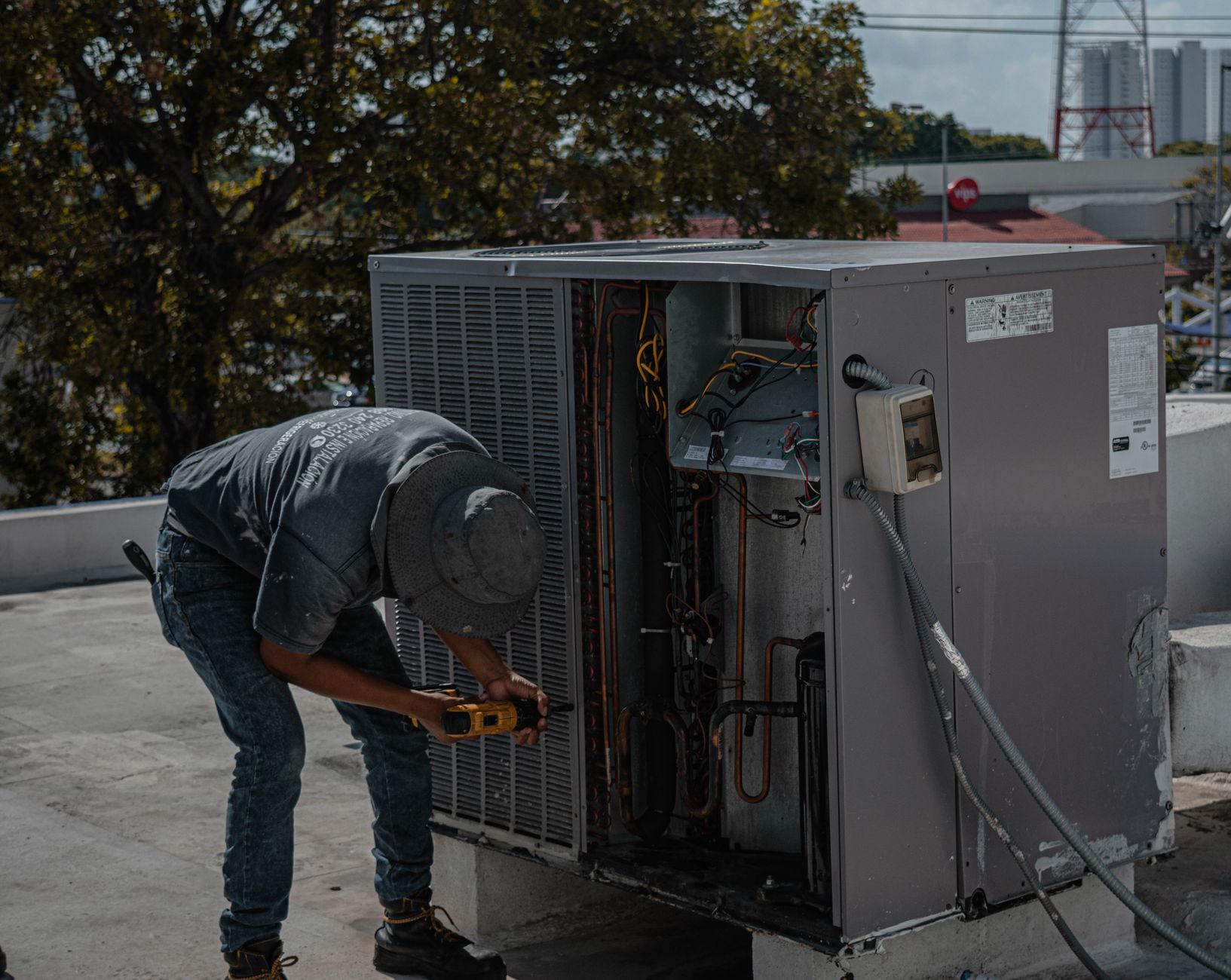
Commercial HVAC services can include installation, preventive maintenance, repairs, controls, rooftop equipment, ductwork, ventilation, and system optimization.
Because commercial HVAC failures can affect employees, customers, inventory, and business operations, preventive maintenance can be especially valuable. Service agreements may help property managers schedule inspections and address developing problems before they cause major interruptions.
Choosing an HVAC Service Provider
Selecting an HVAC professional requires consideration of experience, qualifications, communication, service scope, and pricing. Property owners should look for providers familiar with the specific type of equipment installed on the property.
A reliable technician should explain the problem clearly and distinguish between necessary repairs and optional improvements. Detailed estimates can help customers understand labor, parts, and other costs.
For major installations, homeowners may want to compare multiple proposals. The lowest initial price is not always the best value if it involves inadequate equipment sizing, poor installation practices, or limited service support.
Clear communication is especially important when replacing expensive equipment. Customers should understand the proposed system, installation requirements, warranty terms, maintenance needs, and expected operating characteristics.
Common HVAC Problems
Several problems occur frequently across heating and cooling systems. Dirty filters can restrict airflow, while clogged condensate drains can cause water-related problems in cooling equipment.
Electrical components can wear over time, and motors, belts, bearings, controls, and other mechanical parts may eventually require service.Refrigerant-related issues can affect cooling performance, while duct leaks can reduce the amount of conditioned air reaching occupied spaces.
Thermostat faults can cause temperature inconsistencies, and poor maintenance can allow multiple small problems to develop simultaneously.The same symptom can have multiple causes, which is why professional diagnosis is often more useful than replacing components based solely on appearance or assumption.
Warning Signs That HVAC Service Is Needed
Homeowners should pay attention to changes in HVAC performance. Uneven temperatures, unusual sounds, unexplained increases in energy use, weak airflow, frequent cycling, unpleasant odors, water around equipment, and persistent difficulty maintaining the desired temperature can all indicate that service is needed.
A system that suddenly stops working obviously requires attention, but gradual performance changes should not be ignored either. Early diagnosis can sometimes prevent a developing issue from becoming a major repair.
Strange smells deserve particular caution. Burning odors, unusual chemical smells, or signs of combustion problems should be investigated promptly, especially when associated with fuel-burning equipment.
The Importance of Proper HVAC Sizing
Correct sizing is particularly important when installing or replacing equipment. HVAC capacity should correspond to the property’s actual heating and cooling requirements.
An oversized system may reach the thermostat setting quickly and cycle frequently rather than providing consistent operation. An undersized system may run for extended periods without adequately controlling temperature during demanding conditions.Professional load calculations can help determine appropriate capacity. The property’s insulation, windows, orientation, occupancy, layout, and other characteristics may all influence the calculation.
Choosing equipment based solely on the size of the previous system can produce an inefficient result if the building’s conditions have changed.
Maintaining a Comfortable Indoor Environment
HVAC performance is only one part of indoor comfort. Air movement, humidity, insulation, windows, building orientation, and occupant preferences all contribute to how a space feels.A properly maintained HVAC system can provide the foundation for consistent temperature control, but building improvements may also be necessary when comfort problems persist.
If one room remains uncomfortable despite normal equipment operation, the cause may involve duct distribution, insulation, air leakage, or room-specific factors.A comprehensive evaluation can help identify the combination of improvements that provides the greatest benefit.
Property owners can benefit from treating HVAC equipment as a long-term investment rather than waiting for complete system failure. Keeping maintenance records, monitoring performance, and understanding equipment age can help with future planning.
If a system repeatedly requires expensive repairs, it may be useful to compare the cost of continued service with the potential benefits of replacement.
Planning ahead can also make it easier to select an appropriate system rather than making a rushed decision during an emergency breakdown.
Regular professional inspections can provide information about equipment condition and help homeowners anticipate major service needs.
Conclusion
HVAC services cover a broad range of work, including heating and cooling installation, repairs, preventive maintenance, ductwork, ventilation, thermostat service, indoor air quality improvements, and equipment replacement. Because HVAC systems involve interconnected mechanical, electrical, and environmental components, proper diagnosis and installation are important for reliable performance.
Routine maintenance can help identify developing problems, while prompt repairs can prevent certain issues from becoming more expensive failures. When replacement becomes necessary, appropriate system sizing and professional installation can have a major influence on comfort, efficiency, and long-term reliability.
Homeowners and property managers should pay attention to warning signs such as unusual noises, weak airflow, inconsistent temperatures, water leaks, strange odors, frequent cycling, and unexplained changes in energy use. Selecting a qualified HVAC professional and requesting clear explanations of recommended work can make service decisions easier and more transparent.
Ultimately, effective HVAC care is about more than keeping a building warm or cool. It involves maintaining dependable equipment, managing airflow and ventilation, supporting indoor comfort, and addressing problems before they disrupt everyday life. With appropriate installation, regular maintenance, timely repairs, and thoughtful long-term planning, an HVAC system can provide reliable indoor climate control for many years.