

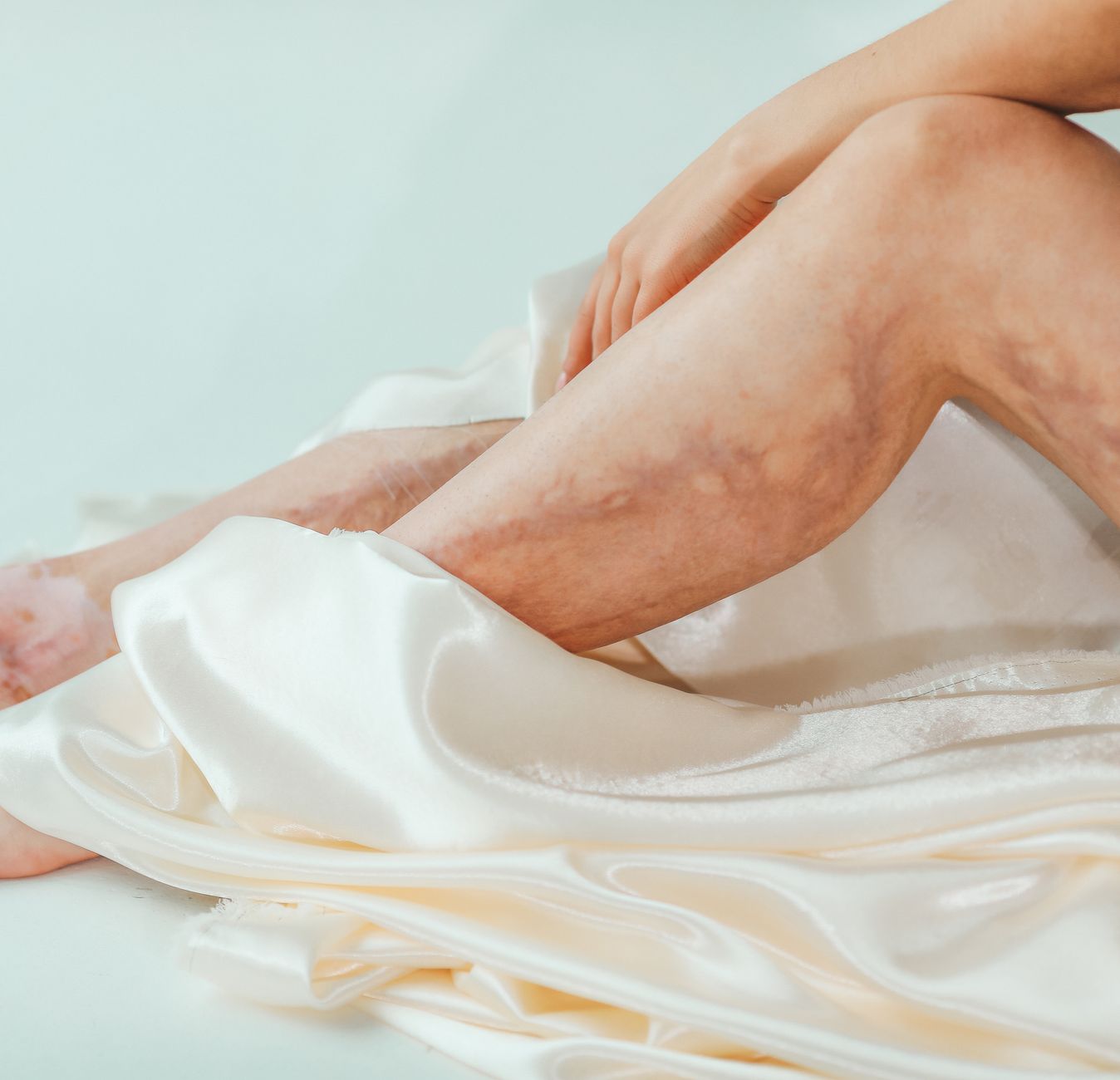
There is a gap between how most people think about varicose veins and what varicose veins actually represent. The common assumption is that they are primarily a cosmetic problem, that the twisted purple veins visible beneath the skin are unsightly but essentially harmless, and that treatment is something people pursue for appearance reasons rather than medical ones.
This assumption is wrong in ways that matter, and the symptoms that accompany varicose veins are the clearest evidence that it is wrong. Aching, heaviness, swelling, cramping, and itching are not incidental discomforts that happen to occur alongside veins that look different. They are the body communicating that the circulation in the affected leg is not working correctly, and they tend to communicate that message with increasing urgency as the underlying condition progresses.
The Circulation Problem Behind the Visible Symptom
Understanding what varicose vein symptoms mean requires understanding what varicose veins actually are. Healthy leg veins contain one-way valves that work against gravity to keep blood moving upward toward the heart. When those valves fail, blood flows backward and pools in the vein. The pressure from pooled blood causes the vein wall to stretch and distort, producing the bulging, twisted appearance visible through the skin.
The pooling blood and elevated venous pressure are what produce the symptoms that patients experience. Heaviness in the legs builds throughout the day as blood accumulates in the pooled veins. Swelling develops in the lower legs and ankles as elevated venous pressure pushes fluid into surrounding tissue. Aching and throbbing reflect the distended vein walls under sustained pressure. Night cramping occurs as the muscles in the lower leg respond to poor circulation during extended periods of inactivity. These symptoms are direct expressions of the circulatory dysfunction causing the varicose veins, not independent complaints that happen to occur in the same area.
The Symptoms Most People Notice First
The first sign of varicose veins is rarely pain. Most patients report noticing a visual change first, either the appearance of visible veins beneath the skin or mild swelling in the lower legs or ankles that is more noticeable at the end of the day than in the morning.
Mild heaviness or fatigue in the legs after standing or walking for extended periods is another early symptom that is easy to attribute to physical exertion rather than to vein disease. Occasional night cramping, small thread-like spider veins appearing near the surface, and a subtle burning or itching sensation around specific veins are all early symptoms that tend to be dismissed or managed with compression stockings without the underlying cause being addressed.
The challenge with early symptoms is that they are mild enough to accommodate, which means the underlying condition continues to progress while the patient manages the symptoms rather than the cause. Varicose vein disease does not resolve on its own. The valves that have failed do not regain function, and the pressure in the affected veins does not decrease without intervention. The trajectory is toward more symptoms and potentially more serious complications rather than toward natural resolution.
How Symptoms Typically Progress
USA Vein Clinics provides detailed information on varicose veins symptoms across the full progression of vein disease, from the earliest subtle changes through the more advanced presentations that require prompt evaluation. Understanding where a patient's symptoms fall in that progression is part of how vein specialists determine the appropriate next steps.
In the early stages, symptoms are mild and intermittent. Slight leg heaviness toward the end of the day, occasional ankle swelling that resolves with elevation overnight, and small visible veins that appear and may seem to fluctuate in visibility are typical. In the moderate stage, symptoms become more consistent and more disruptive. The heaviness and aching are present most days rather than occasionally, visible veins are more prominent and more numerous, swelling may not fully resolve overnight, and cramping may be frequent enough to disrupt sleep regularly. In the advanced stage, skin changes begin to appear around the affected veins. Discoloration, thickening, and dryness near the ankles indicate that chronic venous pressure has begun to damage the skin and underlying tissue. At this stage, the risk of venous ulcers, which are open sores near the ankle that are notoriously slow to heal, increases significantly.
The Warning Signs That Require Prompt Attention
Within the broader spectrum of varicose vein symptoms, there are specific presentations that warrant same-day evaluation rather than a scheduled appointment.
Sudden, significant swelling in one leg accompanied by pain, warmth, or redness requires immediate medical attention. This combination can indicate deep vein thrombosis, a blood clot in the deep veins of the leg that carries a risk of pulmonary embolism if untreated. People with varicose veins face a meaningfully elevated risk of DVT compared to the general population, making this warning sign particularly important for this group to recognize.
A painful, hardened, cord-like vein running along the surface of the leg may indicate superficial thrombophlebitis, a clot forming inside the varicose vein itself. A non-healing sore near the ankle is likely a venous ulcer and indicates advanced vein disease that has been affecting circulation long enough to compromise skin integrity. Any episode of significant bleeding from a varicose vein, which can occur when the thin, distended vein wall is damaged even by minor trauma, also warrants prompt evaluation.
Why Symptoms Alone Are Not Enough to Guide Treatment
The symptoms of varicose vein disease give important information about the presence and severity of the condition, but they do not provide enough detail to guide treatment decisions on their own. Two patients with similar symptoms may have very different underlying patterns of valve failure, and the treatment appropriate for each depends on where the reflux is occurring rather than on the symptom presentation alone.
Duplex ultrasound is the diagnostic tool that provides this information. It maps blood flow through the veins, identifies the specific valves that are failing and where reflux is occurring, and locates blood pooling that may not be visible from the surface. This imaging study is what allows a vein specialist to design a treatment plan that addresses the actual circulatory problem rather than simply the most visible veins.
USA Vein Clinics performs this evaluation at over 160 locations nationwide and uses the findings to recommend from among several minimally invasive treatment options including endovenous laser treatment, radiofrequency ablation, VenaSeal, ClariVein, Varithena, and sclerotherapy depending on the specific characteristics of the vein disease present. Most major insurance plans are accepted, and online scheduling is available around the clock.
Taking Symptoms Seriously Earlier Produces Better Outcomes
The pattern that most vein specialists observe is patients presenting for treatment at a more advanced stage than they needed to reach before seeking care. The symptoms that preceded the consultation by months or years were often significant enough to warrant evaluation, but the assumption that varicose veins were cosmetic rather than medical delayed the conversation.
Symptoms that are disrupting daily functioning, interfering with sleep, or producing visible skin changes around the ankles are past the point of wait and see. The minimally invasive treatments available today are sufficiently accessible and sufficiently low in disruption that the barrier to seeking evaluation is lower than it has ever been, and earlier intervention consistently produces better outcomes than waiting until symptoms become severe.









2 thoughts on “What Varicose Vein Symptoms Are Actually Telling You About Your Circulation”
Comments are closed.