

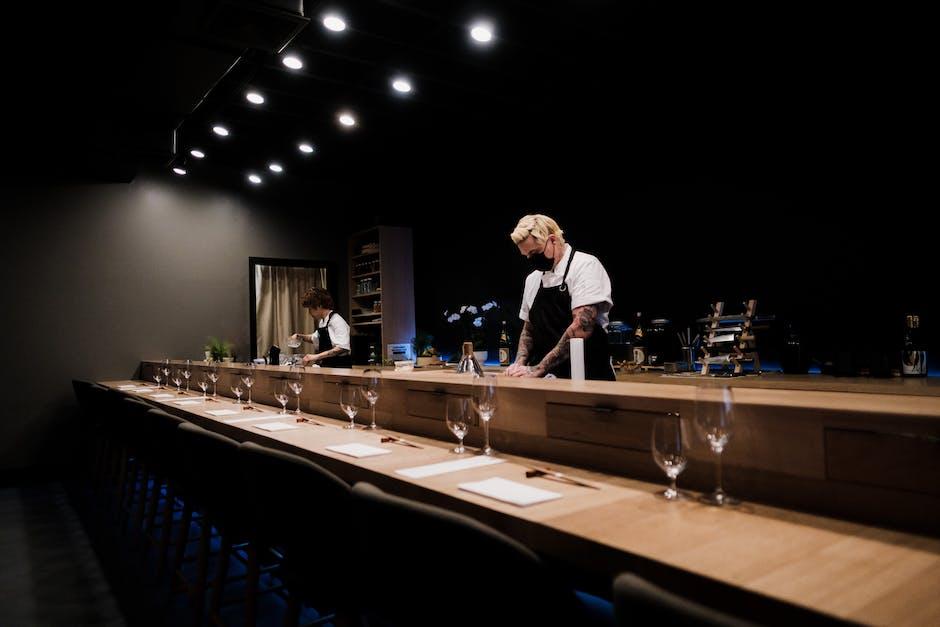
Counter bar design has changed a lot over the years. It started as a simple wooden slab in early taverns. Now it's a central feature in modern spaces.
Today, counters are key in hotels, office lobbies, and trade show displays. Knowing how they've changed helps business owners pick layouts that balance looks, function, and guest experience.
Origins of the Early Commercial Service Counter
In the 1700s, tavern counters were simple and functional. Owners built thick wooden barriers to keep staff separate from the crowd. These early counters were not decorative. They were made from raw timber planks with basic joinery.
As cities grew in the 1800s, dining spaces changed to handle more customers. Service areas got bigger to speed up service. This period set the standard separation between staff and customers that we still see in bars today.
Early builders used local wood like pine or oak. The tops were flat and gave them space to serve drinks and handle payments. These basic structures proved that a central service area helped organize the room better.
The Golden Era of Ornate Saloon Bars
In the late 1800s, American saloons were built with a lot of decorative detail. Woodworkers used carved mahogany, polished brass, and heavy marble tops. The bar itself was the main focal point of the space.
These wood structures made saloons feel fancy and upscale. Owners invested in fancy mirrors and detailed wood paneling. The solid building methods from that time set a standard for durability that still influences construction today.
Saloons made their counters longer to fit more customers as cities grew. Artisans carved detailed designs on the front panels to show off the venue's status. Wealthy owners saw these fixtures as key investments to attract customers and build their reputation.
Mid-Century Modernism and Functional Layouts
In the 1950s, commercial interior design changed a lot. Heavy wood carving gave way to clean lines and chrome. The bar became the strongest visual element in mid-century dining rooms.
Designers focused on function, not decoration. They made spaces easier for staff to move around and easier to clean. Low seats and built-in under-counter fridges became popular.
New manufacturing methods made curved counters and colorful finishes possible. Plastic laminate surfaces resisted stains and moisture better than wood. Business owners liked these surfaces because they cut down on cleaning time and labor.
How Businesses Design Custom Counters
Modern commercial spaces require tailored fixture designs to express brand identity. When organizations design custom branded counters for high-traffic environments, they turn ordinary service points into memorable visual centerpieces. Integrated lighting and modular frames help these counters adapt to different venue setups.
Companies can choose materials that reflect their brand. Sleek aluminum frames with lit acrylic panels look modern and forward-thinking. Sustainable wood finishes work well for natural, warm spaces.
Placing fixtures in the right spots guides how people move through booths and stores. Built-in signs on front panels grab attention fast. By using modular counterparts, businesses can keep a consistent look across all their event locations:
- Standardized mounting hardware
- Interchangeable fabric graphics
- Internal storage bays
- Lightweight frame materials
Tailored counter dimensions accommodate diverse commercial spaces without crowding guest walkways. Integrated cable management channels keep power lines hidden from public view. Strategic planning ensures that every visual touchpoint aligns with company promotional goals.
Material Innovations in Contemporary Counter Construction
Material technology gives designers more choices. Stone and wood are still popular. But new synthetic panels resist stains better. Modern acrylics can be shaped into smooth curves.
Wood can't do that. Engineered quartz holds up to heavy use and keeps its shine. Powder-coated steel is strong and doesn't look bulky.
These materials save money on upkeep for busy places. Recycled glass and resin add bold textures. Backlit surfaces create dramatic light. Managers like these surfaces because they are easy to clean and meet hygiene standards.
What your counter is made of affects how it looks and how well it works. Think about how much use it gets, if it gets wet, if it's near heat, and how you'll clean it. Sealed surfaces are best for busy spots where spills happen often.
Tough finishes help counters stay new-looking even with heavy daily use. Picking the right material from the start cuts down on repairs and keeps commercial spaces looking good longer.
Ergonomics and Workflow Integration in Modern Bars
Good counter design balances looks with how well it works. Designers plan heights, reach distances, and where equipment goes to reduce strain on staff. Good planning speeds up drink making and improves service.
How you organize things under the counter affects how fast workers can move during busy times.
If counters are the right height, bartenders don't get tired as quickly. Dual-height counters let guests sit on one side and keep standing service height on the other. That setup works well for both comfort and staff needs in busy places.
Modern drink dispensers sit right inside recessed wells, which makes service smoother. Placing ice bins close by cuts down on steps. Small changes add up to big time savings over a long shift.
Clear paths behind the bar give staff room to move safely during busy service. Keep often-used tools within easy reach so workers don't have to twist, bend, or stretch too much.
Put storage drawers and shelves near prep areas to cut down on extra steps. Non-slip flooring helps keep staff safe around spills and wet surfaces. A smart layout supports faster service and helps workers stay comfortable through long shifts.
Temporary Displays and Experiential Event Counters
Trade shows use mobile counters to create points of contact. Event planners use bar-shaped displays to catch attention. These familiar shapes help people interact naturally in busy halls.
Portable counters are easy to set up. They come in compact cases for shipping. Built-in lights highlight products and logos. Teams use them for demos and receptions.
The counters fold into lightweight cases. They're easy to move between shows. Durable exteriors protect electronics during shipping. Companies reuse them for many events.
Counter design has changed over time. Today's counters mix old craft ideas with new materials and smart design. As commercial spaces change, the counter remains a central point for connection, service, and brand identity.
For more practical insights on commercial design, custom fixtures, and effective space planning, check out more articles on our blog.











1 thought on “The Evolution of Counter Bar Design: From Classic to Contemporary”
Comments are closed.