

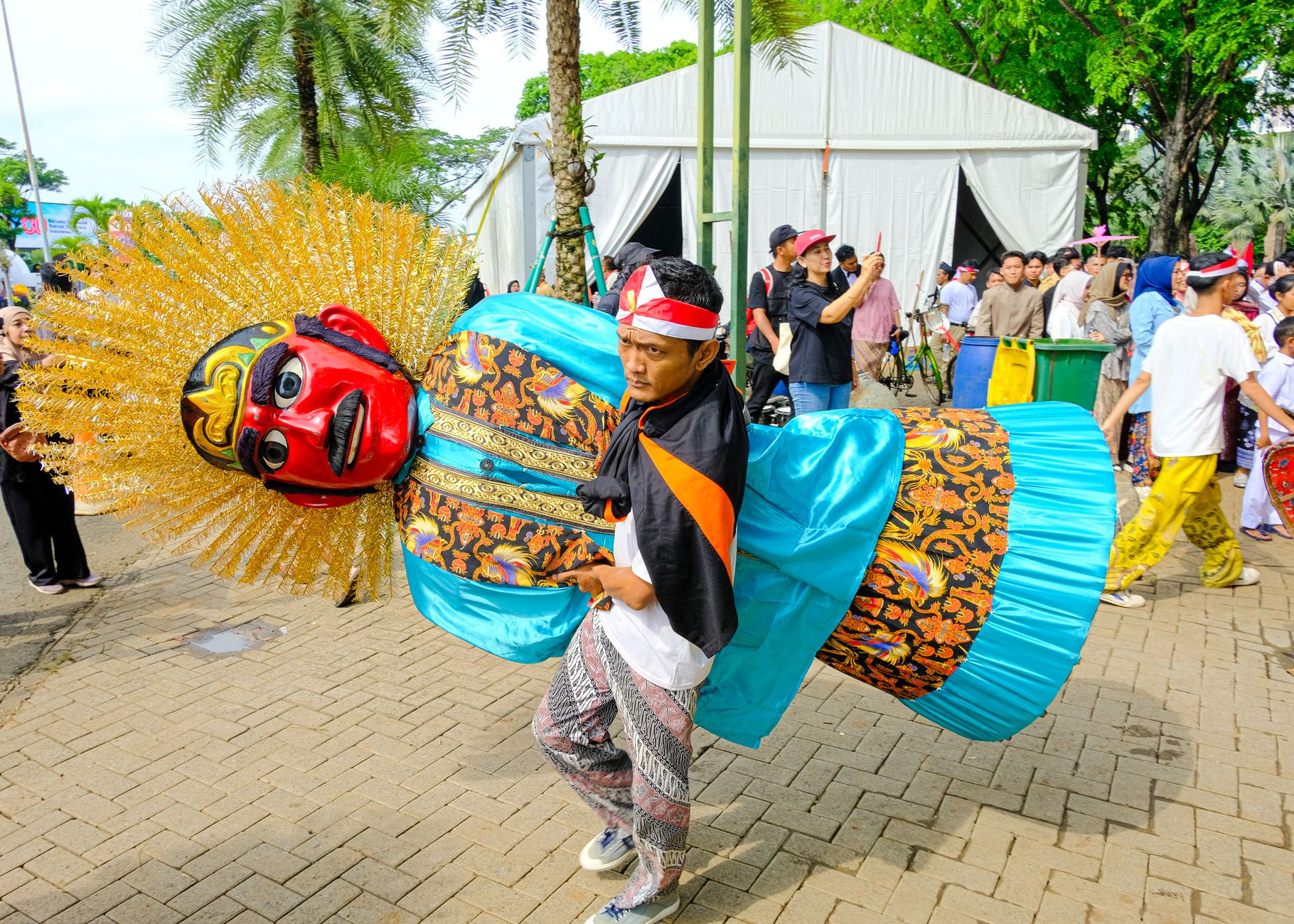
Festivals have a way of making sensible people pack as though they are heading into the wilderness for a fortnight. A spare jumper becomes three. One portable charger somehow turns into a bag full of cables. Then there are snacks, rainwear, toiletries, camping equipment, and all the things brought along “just in case.”
The trouble is that everything has to be carried.
Packing lightly for a festival isn’t about going without things you genuinely need. It is about making each item earn its place. A smaller, better-planned load makes getting through entrances easier, leaves less kit to keep track of and can make the journey between the car, campsite and festival arena considerably less tiring.
The trick is knowing what deserves space in your bag.
Check the Festival Rules Before Packing Anything
Before making a packing list, read the event’s current rules. This one step can remove several unnecessary items before they ever reach your bag.
Festival policies vary considerably. An item allowed at one event may be restricted at another, and separate rules may apply to campsites and main arenas. For example, Festival Republic has previously listed chairs and stools among prohibited items for certain event areas (Festival Republic, 2022).
That makes checking the official event website more useful than relying on a generic festival checklist you found online.
If your festival permits portable seating, think about how much use you will get from it compared with how awkward it is to carry. Compact equipment can make more sense when you have a long walk to the site. Lightweight festival-chair options, such as those shown on ozzigear.com, illustrate the type of packable design worth considering when space and carrying weight matter.
The same principle applies to everything else. Find out whether you can bring refillable bottles, food, umbrellas, camping stoves, glass containers, and larger bags. Knowing the rules prevents you from hauling something to the gate only to surrender it.
Pack for the Festival You Are Actually Attending
Generic festival lists often encourage overpacking because they attempt to prepare every reader for every possible situation.
Your own list should be narrower.
Start with the length and style of the event. A one-day city festival requires very different preparation from four nights of camping in a field. Someone staying in a nearby hotel doesn’t need campsite equipment. Likewise, a festival with plentiful food traders may not justify carrying several meals around all day.
Look at the forecast shortly before leaving, too. Packing for every conceivable weather condition usually creates clutter. Packing for the conditions that are reasonably likely, with one sensible backup layer, is more efficient.
Think about your routine as well. If you rarely use something at home or while travelling, ask how likely you are to suddenly need it at a festival.
Make Clothing Work Harder
Clothes can consume a surprising amount of bag space, particularly when every outfit has been planned separately.
Instead, build a small set of clothes that can be worn together in different combinations. Neutral trousers or shorts, a few comfortable tops, and one warm layer will usually take you further than several complete outfits that can’t be mixed.
For camping festivals, a clean set of clothes for travelling home can be worth keeping separately so it stays dry.
Footwear deserves more thought. Festivals involve hours of standing and walking, often across grass or uneven ground. A pair you already know is comfortable is generally more useful than several footwear options. Add waterproof footwear only when the forecast or site conditions justify it.
The goal isn’t to look identical all weekend. It is to stop half your bag being occupied by clothes you never wear.
Treat Sun Protection as Necessary, Not Optional
Some things should survive even the strictest packing edit.
Sun protection is one of them.
The NHS advises using sunscreen with at least SPF 30 and at least four-star UVA protection. It also stresses that people shouldn’t depend on sunscreen alone, recommending suitable clothing and shade when the sun is strongest (National Health Service, n.d.-a).
As the NHS puts it, “Do not rely on sunscreen alone to protect yourself from the sun” (National Health Service, n.d.-a).
A hat and suitable clothing can therefore do more than solve a fashion problem. They form part of your protection during long periods outside.
In hot conditions, fluids also deserve priority over nonessential extras. NHS hot-weather guidance recommends drinking regularly and limiting excess alcohol, particularly during high temperatures (National Health Service, n.d.-b).
A refillable bottle is especially useful where festivals provide drinking-water points, provided the event permits you to bring one into the relevant area.
Shrink Your Toiletry Bag
Festival toiletries have a habit of multiplying.
You probably don’t need full-size versions of everything in your bathroom. Smaller containers of products you know you will use can cut both weight and bulk.
Prioritise the basics: toothbrush, toothpaste, sunscreen, and any personal hygiene products and medications you require. Add hand sanitiser or wipes if appropriate for the facilities available at your event.
Then question the rest.
If you are camping for two nights, an extensive skincare collection or multiple styling products may be more trouble than they are worth. A festival is one of the few occasions when nobody is likely to be shocked if your usual morning routine becomes considerably shorter.
Give Every “Just in Case” Item a Test
The phrase “just in case” causes a great deal of overpacking.
Before adding an optional item, ask three questions: How likely am I to need this? What happens if I don’t have it? Can something else I am carrying do the same job?
A small rubbish bag, for instance, can have several uses around a campsite. An oversized pack of miscellaneous gadgets probably can’t justify itself quite so easily.
The same thinking applies to electronics. Your phone may already serve as your camera, map, ticket wallet and torch. Carrying separate devices for each job may only create more things to charge and protect.
A portable battery can be worthwhile at a multi-day event, but check it is charged before leaving. A power bank at zero percent is merely a surprisingly heavy object.
Keep Valuables to a Minimum
Packing less also means having less to lose.
Government guidance for people attending festivals abroad recommends keeping valuables secure and maintaining backup access to information such as accommodation details, travel documents, and important contact numbers (Foreign, Commonwealth & Development Office, n.d.).
The principle is useful closer to home, too.
Take the cards, identification, and documents you genuinely need rather than the entire contents of your wallet. Store digital copies or booking information securely where appropriate, and think about what would happen if your phone became lost, damaged or ran out of power.
The Foreign, Commonwealth & Development Office also advises against leaving bags unattended and recommends keeping spare cash separately from your main money and cards when travelling to festivals abroad (Foreign, Commonwealth & Development Office, n.d.).
Good festival preparation isn’t just about fitting everything into a smaller bag. It is also about reducing how much you need to monitor once you arrive.
Leave Some Space in Your Bag
A tightly packed bag may look efficient on your bedroom floor, but it can become irritating after it has been opened and repacked several times.
Leave a little spare room.
You may buy merchandise, remove a layer when the weather warms up, or need somewhere to put a wet jacket. Extra space also makes frequently used items easier to reach without emptying your entire bag onto the ground.
Pack the things you will need most often near the top or in accessible pockets. Tickets, identification, sunscreen, water, and a waterproof layer shouldn’t require an archaeological dig every time you need them.
Do a Final Edit Before You Leave
Once everything is packed, take it all out again.
It sounds counterproductive, but the second look is where unnecessary items become obvious. Put similar items together and check for duplication. Three charging cables? Four jumpers? Enough snacks to open your own festival food stall?
Remove anything that doesn’t have a clear purpose.
Then carry the packed bag around for a few minutes. If it already feels unpleasant at home, imagine how it will feel after a long walk from the station, car park, or campsite entrance.
That simple test can be more persuasive than any packing checklist.
Conclusion
Packing for a festival should make the experience easier, not create another logistical challenge.
Check the event rules first, prepare for the conditions you are genuinely likely to encounter and prioritise equipment that earns its space through usefulness, portability, or safety. Keep clothes versatile, toiletries small and valuables limited. Most importantly, question the things you are packing purely out of habit.
There will always be one more item you could take. That doesn’t mean you should.
A good festival bag contains what you need to stay comfortable, safe, and prepared, with enough room left to enjoy the weekend without feeling as though you are carrying your entire home on your back.
References
Festival Republic. (2022). Festival FAQs and prohibited items guidance. Festival Republic.
Foreign, Commonwealth & Development Office. (n.d.). Festivals abroad: Travel safety checklist. GOV.UK.
National Health Service. (n.d.-a). Sunscreen and sun safety. NHS.
National Health Service. (n.d.-b). Heatwave: How to cope in hot weather. NHS.








3 thoughts on “How to Prepare for a Festival Without Overpacking”
Comments are closed.