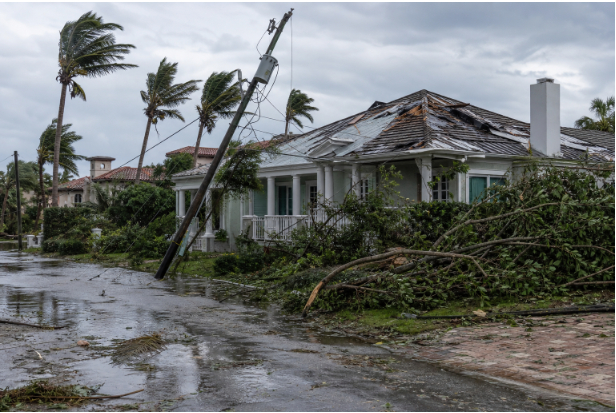
After a hurricane, heavy rain event, or severe windstorm, the first priority is keeping people safe. In coastal communities such as The Palm Beaches, damage may include roof leaks, fallen branches, flooded rooms, and utility hazards. When water or wind affects a home, professional storm damage restoration in The Palm Beaches can help address damage after the property is safe to enter.
It is easy to feel pressure to start cleaning right away. However, a careful first response can prevent injuries, protect important evidence for an insurance claim, and limit further damage. Use this checklist to decide what to do before cleanup begins.
Recovery often involves more than visible damage. Moisture can move under flooring, behind walls, and into insulation. Homeowners who need local help after water, wind, or roof damage can explore storm damage restoration in Boynton Beach as part of their repair planning.
1. Wait Until It Is Safe to Return
Do not return until local officials say the area is safe. Avoid flooded roads, moving water, fallen power lines, and damaged utility poles. Keep children and pets away from debris. Follow emergency alerts from local authorities and utility providers, especially if there are road closures, evacuation notices, or boil-water advisories.
2. Inspect the Property from the Outside
Before entering, walk around the home from a safe distance. Look for sagging roof areas, leaning walls, broken windows, damaged chimneys, hanging siding, and large branches resting on the structure. Watch for standing water near electrical equipment. If you smell gas, hear hissing, or see major structural movement, leave the area and contact emergency services or the utility company.
3. Check Utilities and Electrical Risks
Water and electricity are a dangerous mix. Do not touch wet outlets, switches, appliances, extension cords, or electrical panels. Contact the utility provider if service lines, meters, or poles appear damaged. Only turn off utilities if you can do so without standing in water or entering an unsafe area. Never run a portable generator inside a home, garage, shed, or near an open door, window, or vent.
4. Document Damage First
Take photos and video before moving damaged belongings or starting repairs. Begin with wide shots of each room, then capture close images of damaged walls, floors, furniture, appliances, windows, and roofing materials. Make a written list of missing or damaged items. Save receipts for emergency supplies, temporary repairs, hotel stays, and other storm-related costs.
5. Handle Water Intrusion Carefully
Rainwater from a roof leak may need different handling than floodwater or sewage backup. Separate wet belongings from dry items when it is safe. Open windows and doors only when weather and security allow, and use fans only in dry areas with approved power. The protective equipment and cleanup guidance for disasters recommends precautions for floodwater, mold, sewage, and heavy debris.
Act quickly with wet materials. Damp carpet, drywall, insulation, cabinets, and upholstered furniture can hold moisture long after the floor looks dry. Materials exposed to sewage or floodwater may need professional evaluation and removal because they can be hard to clean safely.
6. Know Your Cleanup Limits
Tasks Homeowners May Handle
- Moving loose belongings from dry, safe areas.
- Wiping unaffected hard surfaces.
- Bagging small amounts of ordinary debris.
- Keeping a record of cleanup steps and purchases.
- Using fans in safe, dry rooms after power is cleared for use.
Tasks That Often Need Professional Help
- Damaged wiring, outlets, panels, or gas lines.
- Sewage cleanup, widespread mold, or contaminated materials.
- Water trapped behind walls or under flooring.
- Unstable roofs, ceilings, walls, or foundations.
- Large trees, heavy debris, or structural materials.
7. Organize Insurance and Repair Records
Contact your insurance carrier as soon as practical, but do not assume every type of damage is covered. Policies may treat wind, flood, mold, and maintenance concerns differently. Ask what emergency work is allowed before an inspection. Keep a timeline of phone calls, claim numbers, adjuster visits, estimates, and repair decisions. Prevent further damage when possible, but keep damaged materials until your insurer advises otherwise.
8. Know When to Call a Professional
Call a building professional when the roof, walls, ceiling, or foundation looks unstable. Call an electrician after water reaches wiring, outlets, appliances, or the electrical panel. A qualified cleanup team may be needed for sewage, major water intrusion, or mold concerns. Before signing a contract, ask for licensing information, proof of insurance, references, written scope details, and clear costs. Be cautious when someone pressures you to make an immediate decision.
9. Prepare for the Next Storm
Once immediate repairs are complete, reduce future risk with basic maintenance. Inspect the roof, gutters, drains, windows, and exterior doors. Trim weak branches near the home, secure outdoor furniture, and store important documents in a protected location. Keep flashlights, batteries, gloves, bottled water, masks, and basic tools ready. Review evacuation routes and reentry precautions using flood safety steps for homes and families before the next severe weather event.
10. Common Post-Storm Questions
How soon should a damaged home be inspected?
Inspect it as soon as conditions are safe. Urgent concerns include water intrusion, damaged electrical systems, roof damage, and signs that the structure has shifted.
Should the cleanup begin before calling the insurer?
Document the damage first, then contact the insurer. Emergency steps may be needed to prevent additional damage, but keep photos, receipts, and damaged materials when possible.
Can a homeowner stay in a house with minor storm damage?
Visible damage does not always show the full problem. Hidden moisture, unsafe wiring, poor air quality, and structural damage may require an inspection before the home is occupied.
How can homeowners avoid repair scams?
Check credentials, compare written estimates, avoid large upfront payments, and do not sign work agreements you do not understand.
Conclusion
Post-storm recovery is easier to manage when homeowners follow a clear order. Protect people first, inspect the property safely, document damage, control moisture, and arrange qualified repairs when needed. A calm and careful response can reduce health risks, limit property loss, and help Palm Beaches households move forward with confidence.