

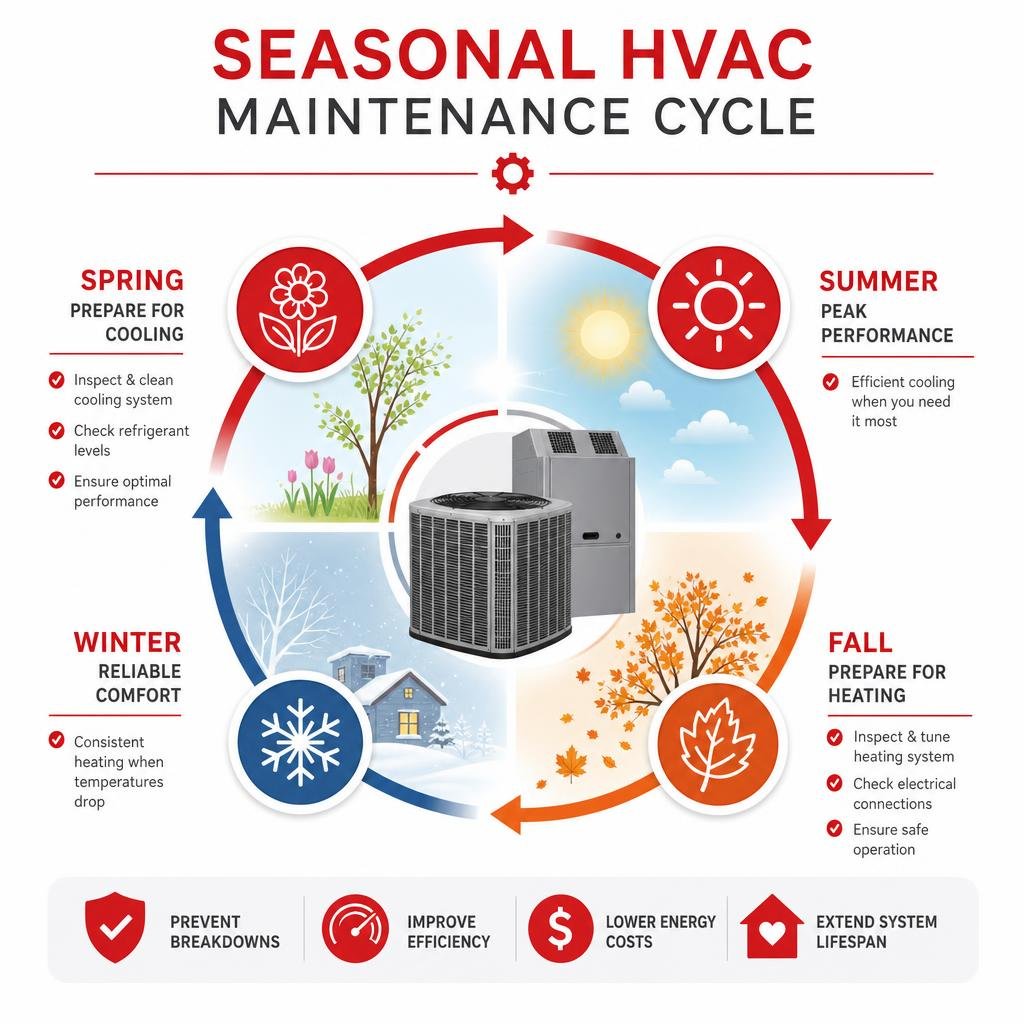
Optimal Scheduling: How Often Systems Require Professional Care
The question of how often your HVAC system truly needs professional attention is a common one. While many factors can influence the ideal frequency, a general consensus among industry experts points to biannual service as the most effective approach. This means scheduling one check-up in the spring to prepare your system for the cooling season and another in the fall to get it ready for heating. This proactive strategy is designed to catch potential issues before they escalate into costly breakdowns during peak demand.
Think of it like this: your car needs regular oil changes and tire rotations to perform optimally and last longer. Your HVAC system, a complex piece of machinery, is no different. Spring cooling checks ensure your air conditioning unit is clean, charged, and ready to handle the intense heat of summer. Similarly, fall heating tune-ups verify that your furnace or heat pump is operating safely and efficiently before the cold weather sets in.
However, “biannual” isn’t a one-size-fits-all rule. Several factors can influence whether your system requires more frequent attention:
- System Age: Older systems, particularly those approaching or exceeding their typical lifespan of 10-15 years, often benefit from quarterly inspections. Components wear out more quickly, and more frequent checks can help identify and address issues before they cause significant damage.
- High-Occupancy Demands: Properties relying on residential and light-commercial HVAC systems with continuous operation, or those with many occupants, place greater stress on the equipment. Increased usage means faster wear and tear, necessitating more frequent maintenance to ensure operational reliability and consistent performance.
- Environmental Factors: Properties located in areas with high levels of environmental dust, pollen, or other airborne contaminants (such as near construction sites or agricultural areas) will experience faster accumulation of debris in filters and coils. Coastal regions, with their corrosive salt air, can also accelerate wear on outdoor units. These conditions warrant more frequent cleaning and inspection.
- Pet Ownership: Homes with pets often have more pet dander circulating, which can clog filters and coils more rapidly, reducing airflow and efficiency.
Understanding these variables allows us to tailor a maintenance schedule that fits your specific needs, ensuring your system performs reliably when you need it most.
Core Benefits of Professional HVAC Maintenance and Repair
Investing in professional HVAC maintenance and timely repairs isn’t just about avoiding inconvenient breakdowns; it’s a strategic decision that yields significant long-term benefits for your home, your wallet, and your peace of mind.
One of the most compelling advantages is energy efficiency. Dirty coils, clogged filters, and unlubricated moving parts force your system to work harder to achieve the desired temperature. This increased effort translates directly into higher energy consumption. Research indicates that preventive maintenance can cut energy waste by up to 30%. For example, dirty coils reduce the system’s ability to cool your home, causing it to run longer and consume more electricity. Similarly, airflow problems, often caused by dirty filters or blocked ducts, can reduce your system’s efficiency by up to 15 percent. A professional tune-up addresses these issues, restoring your system closer to its original operational efficiency, which means tangible savings on your monthly utility bills.
Beyond energy savings, regular maintenance significantly extends your equipment lifespan. Most central AC systems and furnaces are designed to last 10 to 15 years, while heat pumps and boilers can often run for 15 to 20 years. However, these lifespans are often only achieved with consistent care. Parts that lack lubrication cause increased friction in motors, leading to premature wear and potential failure. By identifying and addressing minor issues like worn belts, loose connections, or low refrigerant levels early on, technicians prevent them from escalating into major, system-crippling problems. This proactive approach can add years to your HVAC system’s life, delaying the significant expense of a full system replacement.
Regional climate demands can also affect how hard equipment has to work throughout the year. For homeowners maintaining hvac in Midland, regional heat waves can put extra stress on cooling components during peak months. Routine check-ups help ensure that system components remain in good working order despite severe weather conditions.
Local environmental factors and seasonal humidity variations can directly influence how frequently system components require cleaning or minor adjustments. In North Texas regions where hot summer conditions test cooling equipment for extended periods, working with a local specialist like Andersen Air Inc serves Cleburne residents by helping maintain consistent indoor airflow and limiting unnecessary stress on major mechanical units.
Regular check-ups also help ensure that system components operate safely throughout peak seasonal demands. Working with local specialists like Lighthouse Mechanical Heating and Cooling allows homeowners to keep their units running efficiently, avoiding minor mechanical issues that could otherwise lead to early system failure.
Regular seasonal maintenance helps prevent unexpected breakdowns during extreme weather conditions. Working with experienced technicians at TCS AC & Heating can keep your heating and cooling systems functioning efficiently while maintaining consistent indoor comfort throughout the year.
Scheduling routine evaluations with qualified regional contractors helps prevent small mechanical issues from escalating into major operational failures. Working with established teams like Cool Tech Mechanical allows property owners to maintain optimal system performance while extending the overall lifespan of their heating and cooling equipment.
Indoor air quality is another crucial benefit. Your HVAC system plays a vital role in circulating and filtering the air you breathe. During maintenance, technicians inspect and often replace air filters, which are the first line of defense against dust, pollen, pet dander, and other allergens. They also check for mold growth within the system and ensure proper ventilation, contributing to a healthier living environment. A dirty filter not only increases energy costs but can also damage your equipment and compromise the air quality in your home.
Professional maintenance ensures operational reliability. There’s nothing worse than your AC failing on the hottest day of the year or your furnace going out in the dead of winter. Regular check-ups drastically reduce the likelihood of unexpected breakdowns by identifying and rectifying potential failures before they occur. This means fewer emergency service calls, less stress, and consistent comfort year-round.
Diagnostics and Checklists: Spotting Issues Early
Understanding the subtle cues your HVAC system provides can be the difference between a minor repair and a major overhaul. Being attuned to these indicators allows you to call for professional help before small problems become critical.
Critical Indicators for HVAC Maintenance and Repair
Your HVAC system often “tells” you when it’s struggling. Recognizing these common warning signs can prompt timely intervention:
- Short-Cycling: If your system turns on and off frequently, running for only short periods, it’s likely short-cycling. This could indicate an oversized unit, a faulty thermostat, or a deeper electrical or mechanical issue. It wastes energy and accelerates wear.
- Unusual Noises: Squealing, grinding, banging, or persistent rattling sounds are never normal. These noises often point to issues like worn-out motor bearings, loose fan blades, or debris in the blower assembly.
- Uneven Temperatures: If some rooms are significantly warmer or colder than others, it suggests a problem with airflow distribution, ductwork leaks, or an improperly sized system.
- Rising Energy Bills: A sudden or gradual increase in your heating or cooling costs, without a corresponding change in usage patterns or utility rates, is a strong indicator that your system is losing efficiency and working harder than it should.
- Weak Airflow: If the air coming from your vents feels weak, it could be due to clogged filters, blocked ducts, a struggling blower motor, or issues with the fan.
- Refrigerant Leaks: While not always obvious, signs like a hissing sound, ice buildup on the outdoor unit, or a system that runs constantly but doesn’t cool effectively can signal a refrigerant leak. This requires immediate professional attention as refrigerant is a hazardous substance and low levels can severely damage your compressor.
Here’s a list of urgent HVAC warning signs that warrant immediate professional attention:
- No heating or cooling: The system is running but not producing the desired temperature.
- Burning smells: Could indicate electrical issues or overheating components.
- Gas odors: A strong smell of natural gas near your furnace is a serious safety hazard; turn off the system and evacuate immediately.
- Water leaks: Puddles around your indoor unit or furnace can cause water damage and foster mold growth.
- Constant fan operation: The fan runs continuously even after the desired temperature is reached.
- Circuit breaker trips: Frequent tripping of the breaker connected to your HVAC unit.
- Carbon monoxide detector alarms: This is an emergency. If your CO detector goes off, evacuate your home and call emergency services.
Components of a Comprehensive Multi-Point Tune-Up
When a professional technician performs an HVAC tune-up, they follow a meticulous checklist to ensure every critical component is inspected, cleaned, and optimized. This comprehensive approach is designed to enhance performance, improve efficiency, and prevent future issues.
A typical multi-point tune-up includes:
- Electrical Tightening: Technicians will inspect and tighten all electrical connections. Loose connections can pose a fire hazard and lead to inefficient operation. They also measure voltage and current on motors to ensure they are operating within safe parameters.
- Coil Cleaning: Both the evaporator coil (indoor) and condenser coil (outdoor) are thoroughly cleaned. Dirty coils severely restrict heat transfer, forcing the system to work much harder.
- Condensate Drain Clearing: The condensate drain line is inspected and cleared of any blockages. A clogged drain can cause water to back up, leading to leaks, water damage, and potential mold growth.
- Thermostat Calibration: The thermostat is checked for accuracy and calibrated if necessary. An improperly calibrated thermostat can lead to inefficient operation and inconsistent temperatures.
- Refrigerant Charge: For air conditioning systems, the refrigerant levels are checked. Both low and excessively high refrigerant levels can decrease efficiency and increase wear on the compressor.
- Safety Controls: All safety controls, such as limit switches and pressure switches, are tested to ensure they are functioning correctly, preventing unsafe operation.
- Carbon Monoxide Checks: For gas furnaces, a critical part of the tune-up involves inspecting the heat exchanger for cracks and performing carbon monoxide checks to ensure there are no dangerous leaks. This is a vital safety measure.
- Blower Components: The blower motor and assembly are inspected, cleaned, and adjusted for proper airflow. Lubrication of moving parts is also performed to reduce friction and wear.
This thorough inspection and adjustment process not only optimizes your system’s performance but also provides an early warning system for potential problems, allowing for repairs before they become emergencies.
Repair vs. Replace: Making the Right Long-Term Investment
One of the most challenging decisions for a homeowner is determining whether to repair a failing HVAC system or invest in a completely new one. This choice often comes down to a balance of immediate costs, long-term savings, and overall system reliability.
Evaluating the 50 Percent Rule and Equipment Age
A widely accepted guideline in the HVAC industry is the “50 percent rule.” This rule suggests that if the cost of a single repair exceeds 50% of the system’s total value, or if the system is old and facing frequent, expensive repairs, it’s generally more cost-effective to replace it. This rule helps homeowners avoid throwing good money after bad.
Equipment age is another critical factor. As mentioned, most central AC systems and furnaces last 10 to 15 years. Heat pumps and boilers typically have a slightly longer lifespan, ranging from 15 to 20 years. If your system is nearing or has surpassed these averages, even a seemingly minor repair might be a sign of impending major component failure. Older systems are also significantly less energy-efficient than modern units. Advancements in technology, such as higher SEER2 efficiency standards (Seasonal Energy Efficiency Ratio 2), mean that new systems can drastically reduce your energy consumption and utility bills. Replacing an old, inefficient unit can often pay for itself in energy savings over several years.
Consider the following when weighing your options:
- Frequency and Cost of Recent Repairs: Are you calling for repairs every few months? Are these repairs becoming increasingly expensive? Recurring repair costs can quickly add up, making a new system a more financially sound decision in the long run.
- Energy Efficiency and Operating Cost: An old system, even if functioning, might be costing you a fortune in energy bills. Newer models with higher SEER2 ratings are designed to deliver more cooling or heating per unit of electricity, leading to substantial savings.
- Availability of Parts: For very old systems, finding replacement parts can become difficult or impossible, leading to longer repair times and higher labor costs.
- Comfort and Performance: Is your current system struggling to maintain consistent temperatures? Is it noisy? A new system offers superior comfort, quieter operation, and more precise temperature control.
While the upfront cost of a new HVAC system can be substantial, it’s an investment in your home’s comfort, energy efficiency, and long-term value. When considering a replacement, seeking advice from a reputable provider specializing in expert HVAC installation can provide valuable insights into the best options for your home and budget. They can help you navigate the various technologies and efficiency ratings to find a system that meets your specific needs.
Here’s a table to help you compare repair versus replacement criteria:

Choosing Membership Plans for HVAC Maintenance and Repair
To simplify HVAC care and ensure consistent performance, many service providers offer preventive service agreements or membership plans. These plans are designed to make regular maintenance hassle-free and often come with a host of benefits that can save you money and stress in the long run.
Typical benefits of an HVAC maintenance membership include:
- Scheduled Tune-Ups: The plan usually includes the recommended biannual (or more frequent, depending on the plan) maintenance visits, ensuring your system is always ready for the upcoming season.
- Priority Dispatch: As a member, you often receive priority scheduling for service calls, meaning faster response times, especially during peak seasons or emergencies.
- Repair Discounts: Many plans offer significant discounts (e.g., 10-20%) on parts and labor for any repairs that might be needed outside of the routine maintenance.
- Credited Diagnostic Fees: Some providers credit the diagnostic fee towards any necessary repairs, essentially making the diagnosis free if you proceed with the recommended service.
- Flexible Financing: To make larger repairs or system replacements more manageable, many companies offer flexible financing options to their members.
- Warranty Protection: Regular, documented maintenance by a licensed technician can help validate your manufacturer’s warranty, ensuring you’re covered if a major component fails.
- Peace of Mind: Knowing your system is regularly inspected by qualified professionals provides invaluable peace of mind, reducing the worry of unexpected breakdowns.
When choosing a service provider and a membership plan, always verify their contractor licensing and credential verification. Ensure they employ certified technicians who are knowledgeable about various HVAC brands and models. A reputable company will be transparent about their services, pricing, and the qualifications of their team.
Frequently Asked Questions About HVAC Care
We often encounter similar questions from homeowners regarding the best practices for HVAC care. Here are answers to some of the most common inquiries:
How often should HVAC air filters be inspected and changed?
This is perhaps the most critical and easiest DIY maintenance task. We recommend that HVAC air filters be inspected at least once a month, and changed or cleaned every 1 to 3 months. However, this frequency can vary based on several factors:
- Occupancy: Homes with more people tend to accumulate dust and debris faster.
- Pets: Pet dander significantly increases the rate at which filters become clogged.
- Allergies/Asthma: If anyone in your household suffers from allergies or respiratory issues, more frequent filter changes can improve indoor air quality.
- Environmental Factors: Homes near construction, busy roads, or in dusty climates may need more frequent changes.
- Filter Type: High-MERV (Minimum Efficiency Reporting Value) filters trap more particles but may need to be changed more frequently to prevent airflow restriction.
A dirty filter is a major culprit for reduced efficiency, poor air quality, and can lead to blower protection issues as the motor works harder to push air through the obstruction.
What causes an evaporator coil to freeze during operation?
A frozen evaporator coil is a common and problematic issue that can severely impair your AC’s cooling capacity. Several factors can contribute to this:
- Dirty Air Filters: This is the most frequent cause. A clogged filter restricts airflow over the evaporator coil. When warm air can’t properly reach the coil, the refrigerant inside gets too cold, causing moisture on the coil to freeze.
- Low Refrigerant: A low refrigerant charge, often due to a leak, causes the pressure in the system to drop. This lowers the temperature of the evaporator coil below freezing, leading to ice formation.
- Restricted Airflow: Beyond dirty filters, other obstructions can limit airflow, such as blocked return air vents, closed dampers, or a malfunctioning blower fan.
- Dirty Evaporator Coil: Even with a clean filter, the coil itself can accumulate dirt and grime over time. This layer of insulation prevents proper heat absorption, leading to the coil becoming too cold and freezing. Regular coil cleaning needs are essential to prevent this.
If you notice ice on your indoor unit or refrigerant lines, turn off your AC immediately and call a professional technician. Continuing to run a system with a frozen coil can cause severe damage to the compressor.
Does regular HVAC maintenance protect manufacturer warranties?
Yes, absolutely. Regular HVAC maintenance protects manufacturer warranties and is often a mandatory condition for their validity. Most HVAC manufacturers stipulate that their equipment must undergo annual professional maintenance to keep the warranty in force.
Here’s why:
- Warranty Validation: Manufacturers design their equipment to last a certain period under ideal operating conditions. Regular maintenance ensures these conditions are met, preventing premature wear and tear that could be attributed to neglect. Without proof of consistent maintenance, a manufacturer might deny a warranty claim for a major component failure.
- Annual Maintenance Proof: When you have a professional tune-up, the technician typically provides a service report or invoice detailing the work performed. These documents serve as your annual maintenance proof, which you might need to present if you ever file a warranty claim.
- Licensed Technician Logs: It’s crucial that the maintenance is performed by a licensed technician. Their expertise ensures that the work is done correctly and according to industry standards, which is another requirement for most warranties. The service logs they maintain are vital records.
- Equipment Coverage: By adhering to the maintenance schedule, you ensure your equipment coverage remains active. This can save you thousands of dollars if a major part, like the compressor or heat exchanger, fails within the warranty period.
Always keep records of your HVAC maintenance, including dates, services performed, and the name of the service provider. This documentation is your best defense should a warranty issue arise.
Conclusion
In summary, the importance of timely HVAC maintenance and repair cannot be overstated. It is the cornerstone of a comfortable, energy-efficient, and healthy home or business. From ensuring sustained efficiency and significantly reducing your utility cost savings to extending the life of your valuable equipment, proactive care pays dividends.
We’ve seen how proactive maintenance, ideally biannual, can prevent costly breakdowns and address issues stemming from system age, usage intensity, and environmental factors. Recognizing the early warning signs, such as short-cycling or unusual noises, allows for early diagnostic repair, averting more severe problems. And when faced with the repair-versus-replace dilemma, considering the “50 percent rule” and your system’s age can guide you toward the most financially sound long-term decision.
By embracing regular professional service, utilizing comprehensive tune-ups, and understanding the benefits of membership plans, you’re not just maintaining a machine; you’re investing in consistent, reliable, year-round indoor comfort. Don’t wait for a breakdown to consider your HVAC system’s needs. Take action today to ensure your system continues to serve you efficiently and effectively for many years to come.









1 thought on “The Importance of Timely HVAC Maintenance and Repair”
Comments are closed.