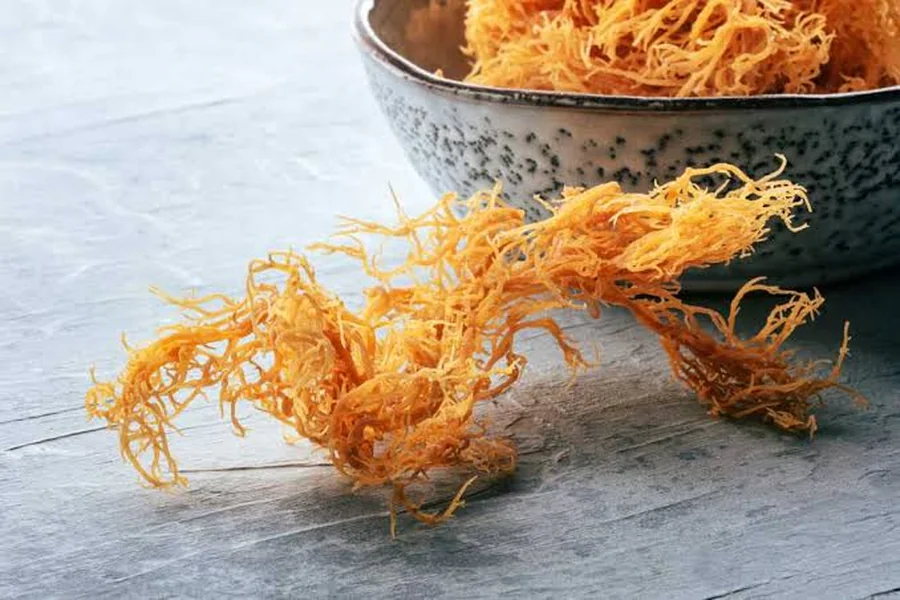
Sea moss has moved from niche wellness ingredient to a familiar presence in smoothies, supplements, skincare products, and health-food shops. As demand has grown, so has consumer curiosity. People are no longer satisfied with broad claims such as “natural,” “organic,” or “wildcrafted.” Increasingly, they want to know where their sea moss was grown, how it was harvested, how it was processed, and whether the supply chain can withstand closer scrutiny.
That shift reflects a wider change in the way people buy food and wellness products. Provenance matters. Just as shoppers ask whether coffee is shade-grown or fish is responsibly caught, sea moss buyers are beginning to connect origin with quality, environmental impact, and trust.
Origin affects more than the label
Sea moss is not a single, uniform product. It can come from different coastlines, be collected from natural marine environments, or be cultivated in controlled settings. Species, water conditions, harvesting practices, and post-harvest handling can all influence its appearance and performance.
The surrounding marine environment is particularly important. Sea moss grows in contact with seawater, meaning local water quality and coastal conditions may affect what accumulates on or within the plant. Runoff, marine pollution, sediment, and nearby industrial activity are all factors worth considering—not because every coastal area is unsafe, but because geographic origin provides useful context.
This is why a vague description such as “Caribbean sea moss” may leave important questions unanswered. Which island or coastline? Was it gathered from the open sea or grown in a farm setting? Was it rinsed and dried locally, or shipped elsewhere for processing? Clear answers help buyers assess the product rather than relying on assumptions.
Wild harvesting and cultivation tell different stories
Wild-harvested sea moss is collected from naturally occurring marine growth. Supporters often value it for its connection to traditional coastal practices and natural growing conditions. However, wild harvesting can vary significantly in quality and sustainability. If demand rises faster than natural populations can recover, repeated collection may put pressure on local ecosystems.
Cultivated sea moss, by contrast, is grown intentionally, often using ropes, lines, rafts, or other marine-farming systems. Cultivation can create a more predictable supply and may reduce pressure on naturally occurring beds. It can also make traceability easier, since producers are more likely to know when and where the crop was grown.
Neither category is automatically superior in every respect. A well-managed wild harvest may be more responsible than poorly run cultivation, while a carefully monitored farm may offer greater consistency than an opaque wild-collection network. The meaningful questions concern management, transparency, water quality, and handling—not simply the marketing term used on the front of the package.
For shoppers trying to understand those distinctions, a detailed wild-harvested sea moss comparison can help clarify how sourcing methods differ and what each may mean for quality and sustainability.
Traceability is becoming a quality signal
Traceability means being able to follow a product through its supply chain, from its growing or harvesting location to the finished package. In practical terms, buyers should be able to find more than a country name. Useful information may include the region, harvest season, producer, processing location, and testing procedures.
This level of detail matters because sea moss is often sold in several forms. Fresh gel, dried sea moss, powders, capsules, and blended products may pass through different processing steps. Each step introduces opportunities for contamination, misidentification, dilution, or inconsistent storage.
A transparent supplier should be willing to explain how the product is cleaned, dried, stored, and tested. Depending on the product and intended use, relevant testing may address microbial safety, heavy metals, moisture content, and other contaminants. Buyers should also be cautious of unusually broad mineral claims that are presented without laboratory evidence. Sea moss naturally contains minerals, but its nutritional profile can vary according to species, location, and environmental conditions.
Sustainability depends on the whole system
Sea moss is often described as an environmentally friendly crop, and marine cultivation can have potential advantages. It does not require farmland, freshwater irrigation, or synthetic fertilisers in the same way many land-based crops do. Seaweed farming may also provide habitat and absorb nutrients from surrounding waters under suitable conditions.
Still, “ocean-grown” does not automatically mean sustainable. Poorly placed farms can interfere with navigation, wildlife, or local fishing. Excessive harvesting can damage natural beds. Packaging, refrigeration, long-distance transport, and waste also contribute to a product’s overall environmental footprint.
Responsible sourcing therefore requires a broader view. Buyers may want to consider whether harvesters follow local regulations, allow natural beds time to regenerate, and work with coastal communities. Cultivators should be able to describe how their farms are managed and whether they monitor impacts over time.
What buyers should look for
The most useful information is usually straightforward. Before purchasing, look for:
- A clearly identified origin, ideally more specific than a country or ocean region
- An explanation of whether the sea moss is wild-harvested, cultivated, or blended
- Details about cleaning, drying, storage, and laboratory testing
- Realistic claims that distinguish traditional use from established nutritional evidence
Packaging is only one part of the picture. A supplier’s website, customer service responses, and willingness to discuss sourcing can be equally revealing. If basic questions receive vague answers or are met with exaggerated health promises, that is a reason to pause.
A more informed relationship with wellness products
The growing interest in sea moss provenance is not simply a trend in packaging or branding. It reflects a more mature approach to wellness purchasing. Consumers are recognising that the value of an ingredient depends not only on what it is believed to do, but also on how it was produced and handled.
As demand continues, transparency will become increasingly important for protecting both buyers and marine ecosystems. Producers that document their practices, invest in testing, and work responsibly with coastal communities will be better positioned to earn long-term trust.
For consumers, the takeaway is simple: ask specific questions, look beyond attractive labels, and treat origin as part of product quality. Knowing where sea moss comes from does not guarantee perfection, but it provides the context needed to make a more informed choice.