

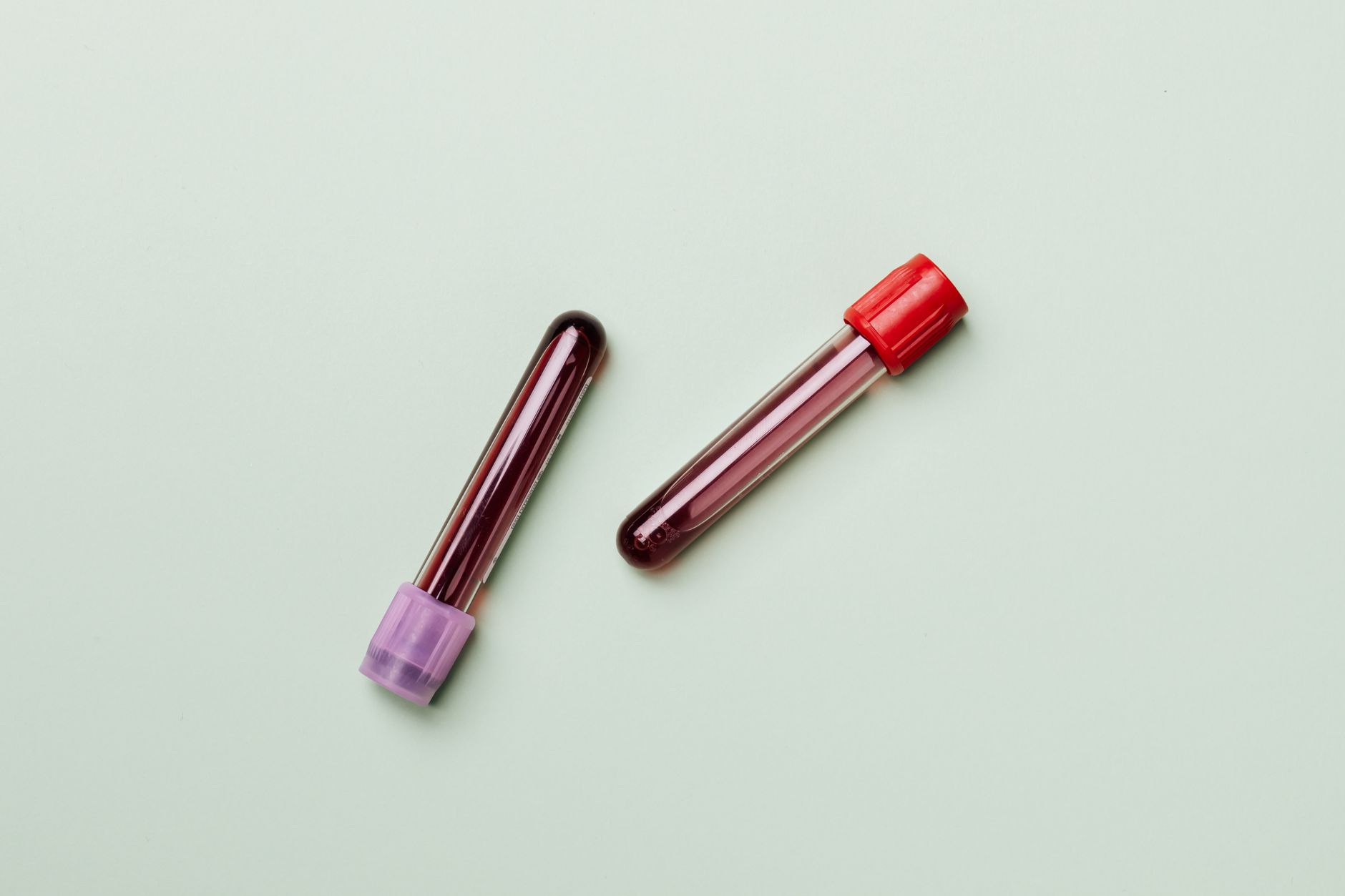
Therapeutic plasma exchange removes the liquid portion of the blood and replaces it with a substitute fluid. Clinicians may use it for conditions in which circulating factors such as autoantibodies, immune complexes, or abnormal proteins contribute to disease activity. For patients and caregivers, a smoother experience often comes from understanding the main parts of the procedure, including vascular access, anticoagulation, replacement fluids, monitoring, and aftercare. This guide focuses on practical preparation and day-of-treatment decisions that may help reduce delays, discomfort, and unnecessary complications.
Pre-Exchange Checklist: Hydration, Labs, and Medication Timing
If you and your clinician have decided that Therapeutic Plasma Exchange is appropriate for your condition, begin with simple preparation steps that can make the appointment easier. Unless you have a fluid restriction, arrive well hydrated and eat a light meal with some salt and protein. Good hydration may make venous access easier and can help reduce lightheadedness. Wear warm layers with sleeves you can roll above the elbow to leave enough room for a blood pressure cuff and IV lines. Bring a current list of medications and supplements, including blood thinners or antiplatelet medications, so your care team can confirm which ones to take or temporarily hold before treatment.
Your team may check baseline laboratory values such as a complete blood count, electrolytes, and fibrinogen. Your weight and hematocrit can help estimate plasma volume, which influences how much plasma is exchanged during each session. That calculation can affect treatment duration and the likelihood of side effects. For example, larger exchange volumes may contribute to fatigue or blood pressure changes. If you take anticoagulants or have a bleeding disorder, ask in advance about vascular access and whether medication timing needs to be adjusted. Patients with strict fluid limits, including some people with heart or kidney conditions, should also confirm a fluid plan before and after the exchange to reduce the risk of dehydration or excess fluid accumulation.
Vascular Access Choices: Peripheral IVs Versus a Temporary Central Line
Therapeutic plasma exchange requires reliable blood flow to and from an apheresis machine. Many patients can use two peripheral IV catheters, avoiding the need for a chest or neck line but depending on adequate vein size and stability. Other patients may require a temporary central venous catheter to support higher blood flow rates. The tradeoff is relatively straightforward. A central line can provide faster and more consistent flow with fewer machine alarms, but placement carries risks such as bleeding, infection, or pneumothorax. A common and avoidable problem is wearing clothing that interferes with blood pressure cuff placement or line access. Choose clothing that opens easily at the front and leaves enough room for tubing and monitoring equipment.
Veins can also behave differently on the day of treatment. For example, a patient with small or mobile veins who arrives mildly dehydrated may require several IV attempts, delaying the start of the procedure. Warmth and adequate hydration can sometimes make access easier. If you have a history of difficult IV placement, ask whether ultrasound-guided IV placement or a temporary central catheter may be appropriate. If a central line is selected, clarify how it will be secured, what type of dressing will be used, and whether you will need to follow any temporary activity restrictions.
During the Exchange: Anticoagulation, Calcium, and Monitoring
During the procedure, an apheresis machine separates plasma from the blood’s cellular components using a centrifuge or membrane filter. To prevent blood from clotting inside the tubing, many centers use citrate as an anticoagulant. Citrate binds calcium, which can temporarily lower ionized calcium levels during the procedure. This may cause tingling around the lips or fingers, muscle cramps, or a metallic taste. Tell your nurse as soon as these symptoms appear. Adjusting the citrate rate or providing oral calcium or an intravenous calcium gluconate infusion can often relieve the symptoms. Staff usually monitor blood pressure, heart rate, and oxygen saturation throughout the session because fluid shifts can sometimes cause low blood pressure, lightheadedness, or nausea.
Plan to keep an arm relatively still if an IV is placed there. Headphones, a podcast, or a book can make the session more comfortable if your care team allows them. The machine may alarm occasionally when staff need to change a bag, adjust flow rates, or respond to pressure changes. These alarms are often part of routine monitoring and do not necessarily indicate a serious problem. Warm clothing, a blanket, and a comfortable position can also help reduce chills and muscle stiffness during the exchange.
Replacement Fluid Matters: Albumin Versus Plasma
The fluid used to replace the removed plasma can influence both the procedure and recovery. Many plasma exchange treatments use a 5 percent albumin solution as the replacement fluid. Albumin helps maintain blood volume but does not replace clotting factors, so fibrinogen levels may fall during a series of treatments. Centers may monitor fibrinogen to determine whether to space sessions farther apart, adjust the exchange plan, or use a different replacement fluid. When fresh frozen plasma is selected, it replaces coagulation proteins as well, which may matter for certain medical conditions. However, plasma carries a higher risk of allergic reactions such as hives, itching, or shortness of breath so that providers may recommend pre-treatment medications and closer monitoring.
A history of allergic reactions, previous treatment experiences, and therapy goals can influence the choice of replacement fluid. For example, a patient who previously developed hives during plasma replacement may receive albumin during later sessions and an antihistamine before treatment if plasma is required again. In another situation, a patient who has undergone several albumin exchanges may develop a low fibrinogen level, leading the care team to delay the next session or adjust the replacement strategy. Ask which replacement fluids are planned, what laboratory values will be monitored, how reactions are handled, and how test results may influence later treatments.
Aftercare and Planning the Treatment Series
Many patients feel tired after therapeutic plasma exchange but can return home the same day. Drink fluids as directed by your care team and eat a balanced meal to support recovery. If you have a central venous catheter, learn how to care for the dressing, keep the area dry, and know which symptoms require medical attention. These may include new redness, drainage, fever, or unusual neck or chest discomfort. With peripheral IVs, mild bruising or tenderness around the insertion site is common. Cold packs and elevation may help when recommended by your care team. Report persistent tingling, muscle cramps, dizziness, or unusual weakness after leaving the treatment unit, as these symptoms may relate to low calcium or ongoing changes in fluid balance.
Therapeutic plasma exchange is often performed as a short series of treatments. Coordinating these sessions with other therapies matters because plasma exchange can remove certain large-molecule medications and immunoglobulins from circulation. If you receive intravenous immunoglobulin, monoclonal antibodies, or certain antibiotics, confirm the timing of these treatments in relation to exchange sessions. Hence, the medications are not unintentionally removed soon after administration. You may need similar planning for some vaccinations, which your clinician may recommend scheduling outside the exchange period. Consider arranging transportation for your first session until you know how your body responds, particularly if you are prone to lightheadedness. Keeping a simple record of your weight, blood pressure readings when available, symptoms, and side effects can give your care team useful information for adjusting exchange volumes, calcium support, and replacement fluid choices during future visits.







2 thoughts on “Preparing for Therapeutic Plasma Exchange: What to Expect and How to Avoid Common Setbacks”
Comments are closed.