

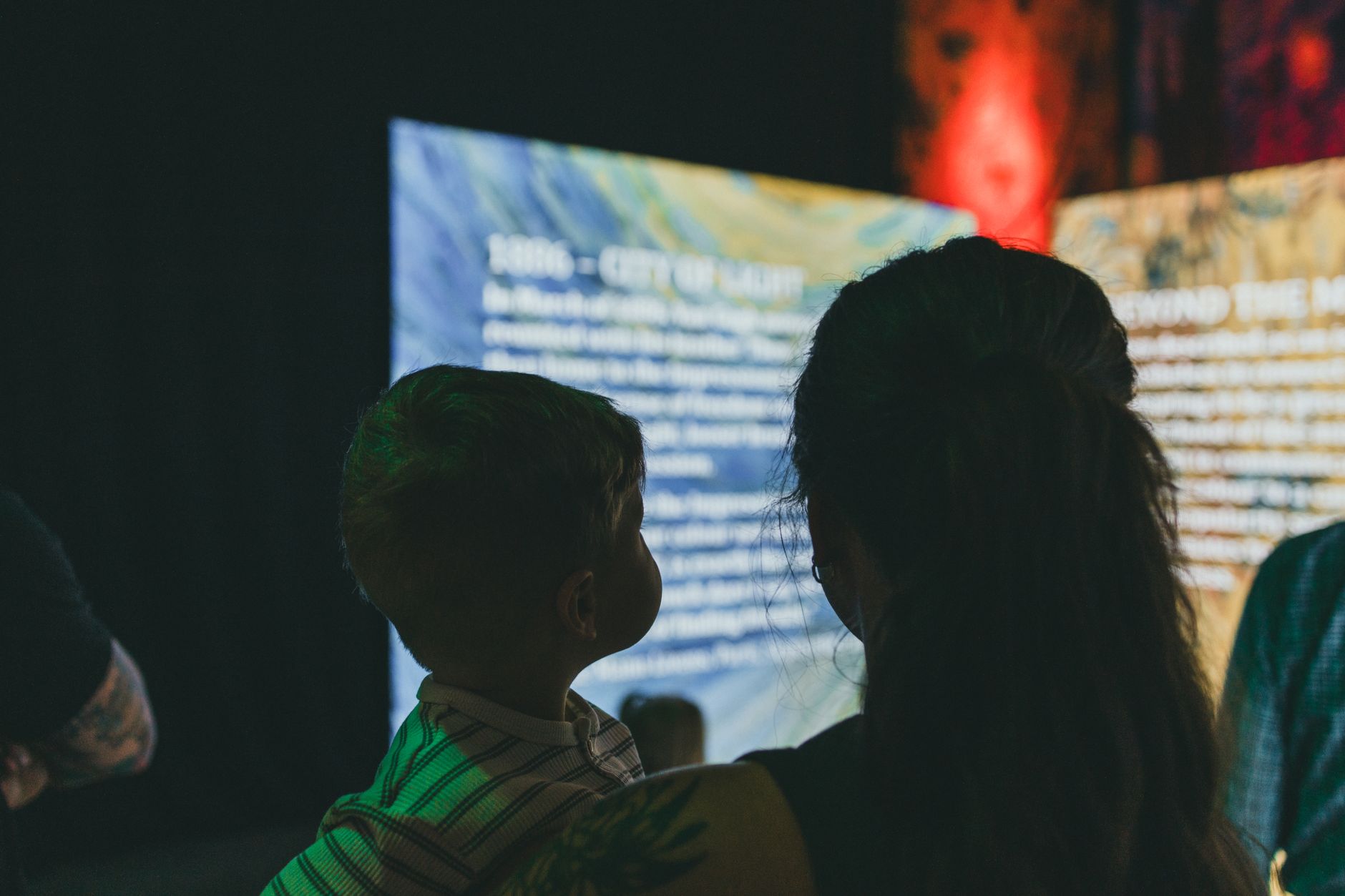
You want your events to boost brand engagement, but many feel forgettable. Interactive events drive higher engagement and create stronger emotional connections. This post will show clear steps to plan sensory, interactive, and personalized experiences.
Read on to learn how to make your events memorable.
The Role of Interactive Events in Building Brand Experiences
Interactive events turn passive audiences into active participants. They spark engagement through sensory immersion and clear interactivity. Brands build stronger recognition and emotional connection with live events and experiential marketing. Creating memorable events also requires a clear and consistent brand identity, which is an important part of brand creation in Los Angeles.
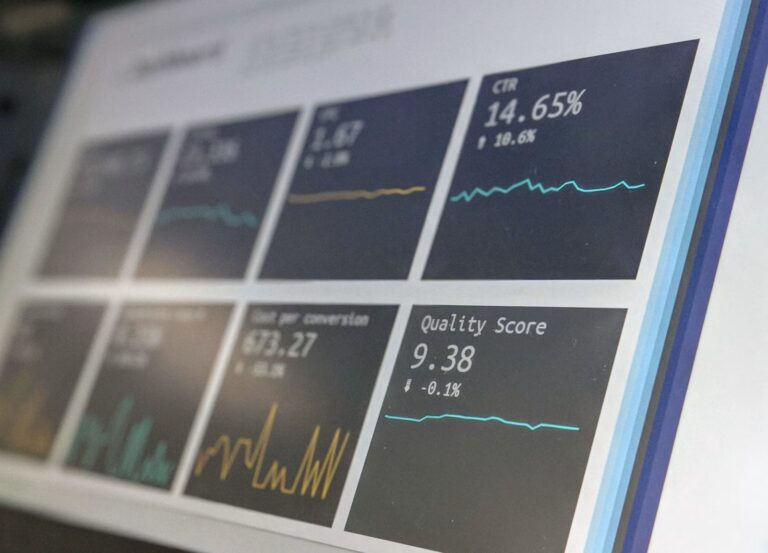
Design centers on personalization and audience interaction. Marketers track engagement metrics and measure ROI to prove impact.
Types of Interactive Events
Interactive events come in many forms. Each type aims to engage the audience and create lasting memories.
Trade Show Participation
Participating in your industry’s trade shows is one of the most powerful ways to attract leads, interact with prospects, and boost your brand’s visibility. It is also a chance to make your brand appear more authoritative and respected within your sector.
However, the competition at trade shows isn’t to be overlooked. You’ll be there with your main competitors, and having a booth that stands out truly matters. To get started, think about the experience you want your visitors to have. Are you keeping it very formal or looking to implement games, competitions, and interactive elements? Here, working with a design team can help you generate a booth design that aligns with your brand, budget, and goals.
Also, reach out to a trade show installation team: these experts will install and dismantle your booth carefully, ensuring it stays safe, reusable, and efficient.
Product Launches
Plan a launch that invites audience participation. Use live demos and product trials to boost engagement and brand engagement.
Set up immersive zones with sound, light, and touch. Let guests personalize their experience and try features in real time.
Pop-Up Experiences
Pop-up experiences place brands in public spaces for short, high-impact events. They drive engagement through immersion, sensory cues, and active participation.
Teams use interactivity and personalization to boost memorability and social sharing. Brands test new products and gather real-time feedback at these live events. Next, explore Sponsorship Activations.
Sponsorship Activations
Sponsorship activations create strong connections between brands and their audiences. Brands partner with events to engage customers in fun ways. They can set up booths, host games, or offer giveaways. These activities get people excited about the brand.
Events provide great opportunities for sponsors to showcase new products. Attendees often share their experiences on social media, increasing brand visibility. Brands can also use social media automation to streamline the sharing of event-related content and keep their audience engaged after the event. This type of marketing fosters emotional connections with attendees and boosts engagement levels.
Sponsorships also help brands stand out from competitors by offering unique interactions that linger in customers’ minds.
Sampling Events
Sampling events allow brands to showcase their products directly to customers. People enjoy trying out new items before buying. These events create opportunities for brand engagement and direct interaction with the audience.
Brands can set up booths in busy areas or at popular festivals. They can offer free samples of food, drinks, or beauty products. Customers appreciate this chance to experience the brand firsthand.
This type of event can increase memorability and stimulate interest in a product.
Key Elements of Memorable Interactive Events
Key elements make interactive events stand out. Focus on the audience, engage their senses, and offer a personal touch for a lasting impact.
Audience-Centric Design
Audience-centric design focuses on the needs and wants of the people attending the event. This approach creates experiences that resonate with them. Understanding your audience helps in crafting memorable moments.
Design elements should cater to different preferences, interests, and ages. Use feedback from past events to shape future ones.
Offering interactive features boosts engagement and participation. Make spaces inviting and accessible for everyone. Provide opportunities for hands-on experiences or discussions. Personalization adds a unique touch, making guests feel special and valued.
The next step involves immersing attendees through multi-sensory engagement.
Multi-Sensory Engagement
Multi-sensory engagement draws in the audience through sights, sounds, tastes, and touch. This approach makes events more immersive and memorable. For example, a brand can use interactive displays that light up when touched or play music that fits the theme of the event.
Including different senses helps create a strong emotional connection with the audience.
Engagement goes beyond what people see. It allows them to feel part of something special. The goal is to leave visitors talking about their experience long after it ends. Personalization adds another layer by making each interaction unique to every guest.
Up next are key elements for building memorable interactive events.
Personalization and Customization
Personalization and customization create a strong link between a brand and its audience. Adjusting experiences to meet individual preferences makes events more engaging. Brands can collect data from guests. This helps them offer targeted interactions that resonate with each person.
Guests appreciate personalized touches, such as their names on badges or custom products. For conferences and trade shows, organizers can also prepare branded attendee materials in bulk pocket folders, keeping schedules, brochures, handouts, and other event information together. Interactive booths allow visitors to shape their experience as well. They can choose what they want to see or do, fostering deeper connections with the brand.
Such personal engagement leads to memorable moments, increasing satisfaction during interactive events.
Measuring Success in Interactive Events
Measuring success in interactive events is crucial for brands. Set clear goals and track how well you meet them to see the event’s impact.
Setting Clear Objectives and KPIs
Setting clear objectives and KPIs is essential for successful interactive events. Goals ensure focus and help measure success.
One effective way to enhance your event’s impact is by incorporating a brand activation photo booth that encourages guests to share their experiences on social media.
- Define specific goals. Each event should have clear aims. This could be increasing brand awareness, driving sales, or enhancing customer engagement.
- Identify your target audience. Knowing whom you want to reach guides the planning process. It helps shape the experience so it fits their interests and needs.
- Set measurable KPIs. Use key performance indicators to track progress. Examples include attendance numbers, social media shares, or new email sign-ups.
- Align objectives with overall marketing strategy. Ensure event goals support broader marketing efforts. This creates a cohesive brand message across platforms.
- Establish a timeline for evaluation. Determine when and how you will review success metrics after the event ends. This allows for quick adjustments in future planning.
- Communicate goals to your team clearly. Everyone involved should understand the objectives from the start. This ensures everyone works towards common targets during the event.
- Adjust goals as needed based on feedback and results from past events. Flexibility allows for improvement and innovation in future interactive experiences.
Next, focus on tracking engagement and ROI for these events.
Tracking Engagement and ROI
Track engagement from the first attendee touchpoint.
| Metric | How to Track | Why It Matters | Tools / Examples |
| Attendance | Scan QR codes at entry or use ticket scans. | Shows reach and event pull. | Eventbrite, on-site scanners |
| Engagement Rate | Measure session check-ins and interaction counts. | Indicates active participation. | Mobile app analytics, session badges |
| Dwell Time | Use beacons or Wi-Fi heat maps to log time spent. | Reveals attraction power of activations. | Beacons, Wi-Fi analytics |
| Social Reach | Track event hashtags and mentions. | Measures online amplification. | Hootsuite, Brandwatch |
| User Generated Content | Collect posts, photos, and videos linked to the event. | Shows organic enthusiasm and content value. | Hashtag streams, contest entries |
| Lead Quality | Score leads by intent signals and follow-up responses. | Helps prioritize sales outreach. | CRM systems, lead scoring rules |
| Sales Lift | Compare sales during and after the event to a baseline. | Connects event activity to revenue. | POS data, promo codes |
| Conversion Rate | Divide desirable actions by total visitors. | Shows effectiveness of calls to action. | Landing pages, on-site kiosks |
| Net Promoter Score | Survey attendees after the event. | Measures loyalty and referral intent. | Short email surveys, SMS polls |
| Cost per Lead | Divide total event cost by leads captured. | Assesses efficiency of spend. | Budget sheets, CRM reports |
| ROI | Compare net revenue from the event to total costs. | Determines financial success. | Finance reports, attribution models |
| Qualitative Feedback | Collect quotes and interview notes on site. | Provides context beyond numbers. | Comment cards, short interviews |
Use these metrics to refine tactics and choose the next focus area.
Conclusion
Interactive events create strong connections between brands and their audiences. They invite participation and make experiences memorable. Brands that focus on engaging all senses leave lasting impressions.
Success lies in clear goals, active engagement, and understanding the audience’s needs. This approach makes every event a chance to shine and stand out in marketing.



1 thought on “Creating Memorable Brand Experiences Through Interactive Events”
Comments are closed.