

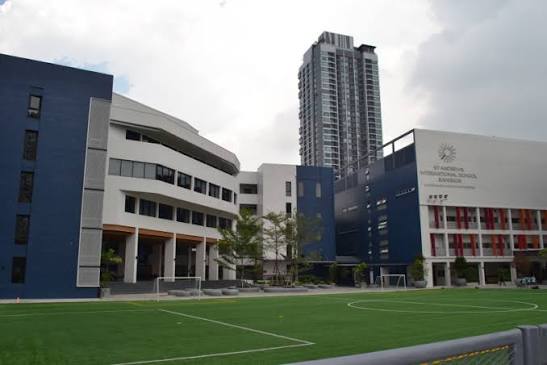
Choosing a school for your child is one of those decisions that keeps parents up at night, and if you live around Ekkamai, you already know the options can feel overwhelming. The short answer: look closely at curriculum accreditation, teacher qualifications, class sizes, safety systems, campus facilities, and how easily the school fits into your family’s daily commute before signing anything.
Families searching for an international school near Ekkamai BTS usually want two things at once: a genuinely strong academic program and a location that does not eat up two hours of the day in traffic. Both matter, and neither should be sacrificed for the other.
Before enrolling your child, check these six things: curriculum accreditation, teacher-to-student ratio, safety and safeguarding policies, campus facilities, transport access, and how the school communicates with parents. A school that scores well on all six is worth shortlisting; one that dodges questions on any of them deserves a second look.
Why Location Near Ekkamai Actually Matters
Bangkok traffic is not a minor inconvenience, it genuinely affects a child’s day. A commute that stretches past 45 minutes each way cuts into sleep, homework time, and the energy kids need for after-school activities.
Parents searching for an international school Ekkamai Bangkok often assume proximity is just about convenience for the parents. In reality, it affects the child more. Shorter commutes mean better mood, better focus in morning classes, and more time for play or rest.
If you work in the Sukhumvit or Ekkamai business district, choosing an international school near Ekkamai BTS also makes it easier to attend events, pick up your child during minor illnesses, or simply be present for school activities without losing half a workday.
Curriculum and Academic Accreditation
Not every school labeled “international” follows the same academic standard, and this is where many parents get caught out.
Accreditation is an independent review that confirms a school meets recognized academic, safety, and governance standards. Look for bodies such as the Council of International Schools (CIS), the Western Association of Schools and Colleges (WASC), or the International Baccalaureate Organization (IBO).
Ask the admissions office directly which curriculum they follow, whether it is British, American, or IB, and whether that curriculum transfers smoothly if your family relocates later. A school that hesitates to give a straight answer on this is telling you something.
Teacher Qualifications and Class Sizes
Good facilities photograph well, but teachers are what actually shape a child’s education day to day.
Check whether teachers hold recognized teaching qualifications from their home country, not just a university degree in any subject. Ask about staff turnover too. High turnover, meaning teachers leaving within a year or two, often signals deeper issues with management or working conditions, and that instability trickles down to students.
Class size is another practical marker. Smaller classes, generally under 20 students at primary level, allow teachers to actually notice when a child is struggling rather than just moving through the syllabus on schedule.
Safety, Campus Facilities and Everyday Culture
Parents comparing schools near an international school near Ekkamai station often walk the campus once and assume that is enough. It rarely is.
Ask specific questions: What is the visitor sign-in process? Is there a dedicated school nurse on site during hours? How does the school handle medical emergencies or allergies? Are CCTV and access control systems actually functioning, not just installed for show?
Facilities matter too, but not in the way glossy brochures suggest. A functional science lab, a real library with current books, and outdoor space for physical activity matter more than an impressive lobby. Walk the campus during school hours if possible, not during a scheduled tour, so you see the everyday rhythm rather than a polished performance.
Comparing Key Factors at a Glance
| Factor | What to Ask | Why It Matters |
| Accreditation | Which body accredits the school? | Confirms academic and safety standards |
| Curriculum | British, American, or IB? | Affects future transfers and university pathways |
| Class size | Students per class? | Smaller classes mean more individual attention |
| Teacher retention | Average staff tenure? | Stability supports consistent learning |
| Safety protocols | Emergency and visitor procedures? | Protects daily wellbeing |
| Commute | Distance from home or BTS access? | Impacts energy, sleep, and family time |
How Parent Communication Reflects School Culture
A school’s real culture often shows up in how it talks to parents, not in its marketing materials.
Ask how often teachers share progress updates, whether there is a functioning parent portal, and how quickly staff respond to concerns. Schools that treat parents as partners rather than an afterthought tend to run tighter, better-managed campuses overall.
It also helps to speak with current parents directly, outside the formal tour, if the school allows it. Honest feedback from families already enrolled tells you more in ten minutes than an entire brochure.
Making the Final Decision
Once you have gathered answers on curriculum, teachers, safety, facilities, and communication, sit down and compare notes rather than relying on gut feeling from a single visit.
Shortlist two or three schools, visit each one twice if possible, and ask the same set of questions at every campus so you are comparing apples to apples. A school that welcomes tough questions with clear, documented answers is usually one worth trusting with your child’s education.
Astra Academy has built its reputation in this exact neighborhood by staying transparent about accreditation, keeping class sizes manageable, and maintaining a campus culture where parents can walk in and ask questions without feeling brushed off. For families weighing their options nearby, it is worth a visit and a direct conversation with the admissions team before deciding.
Frequently Asked Questions
1. What should I check first when choosing a school in this area?
Start with accreditation and curriculum. These two factors determine academic quality and whether your child’s education transfers smoothly if you move.
2. How important is commute time when picking a school in this area?
Very important. A commute over 45 minutes each way regularly affects a child’s sleep, focus, and energy for after-school activities.
3. What accreditation bodies should I look for?
Look for CIS, WASC, or IB authorization. These confirm the school meets recognized international academic and governance standards.
4. Is a smaller class size really better for my child?
Generally yes, especially at primary level. Classes under 20 students allow teachers to give more individual attention and catch learning gaps early.
5. How can I judge a school’s safety standards during a visit?
Ask about visitor check-in procedures, on-site medical staff, and emergency protocols. Walk the campus during regular hours, not just during a scheduled tour.
6. Should I talk to current parents before enrolling?
Yes, whenever possible. Honest feedback from enrolled families often reveals more about day-to-day school culture than official materials do.










2 thoughts on “What to Check Before Choosing an International School Near Ekkamai for Your Child”
Comments are closed.