

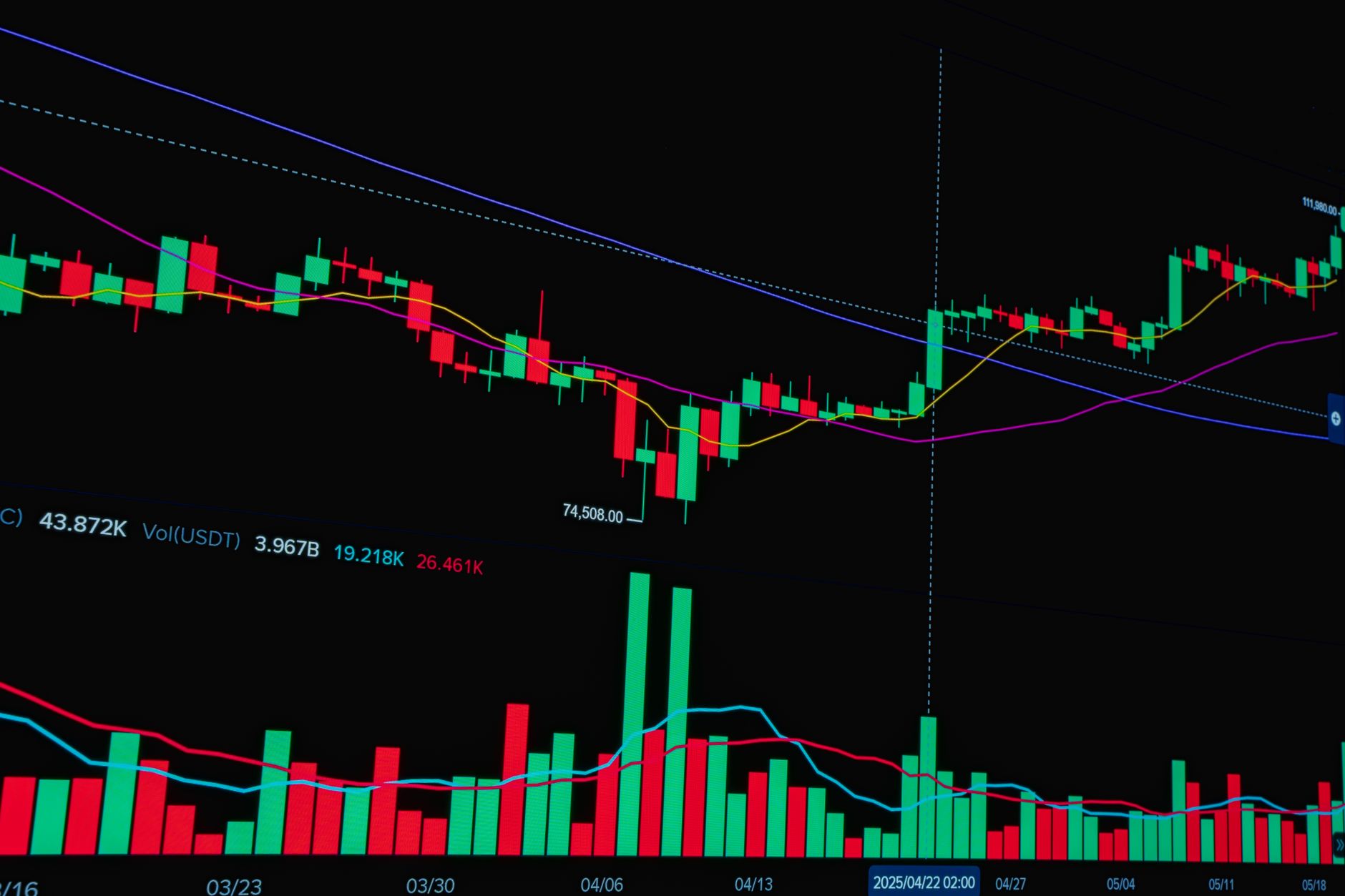
Starting in the financial markets can feel overwhelming when every chart seems to move at once and unfamiliar terms appear everywhere. Forex trading is one of the most accessible markets to explore, but accessibility should not be confused with simplicity. Before placing a first trade, beginners need to understand how currency pairs work, what influences exchange rates, how risk is managed, and why a trading plan matters. Building this foundation can help new traders approach the market with realistic expectations rather than relying on guesswork or short-term excitement.
What Is Forex Trading?
Forex, short for foreign exchange, is the global market where currencies are bought and sold against one another. Unlike purchasing a single stock, traders work with currency pairs such as EUR/USD or GBP/USD. The first currency is the base currency, while the second is the quote currency. The price indicates how much of the quote currency is needed to purchase one unit of the base currency.
Currency prices can change in response to interest-rate decisions, inflation, economic data, geopolitical developments, central-bank policies, and changes in market sentiment. This makes the forex market highly dynamic and requires traders to consider both economic conditions and price behaviour.
Understand Currency Pairs Before Trading
A beginner should become comfortable reading currency pairs before thinking about strategies. Major pairs generally involve the US dollar and currencies such as the euro, Japanese yen, British pound, Swiss franc, Canadian dollar, Australian dollar, and New Zealand dollar.
Pairs can broadly be grouped into:
- Major pairs: Usually the most actively traded currency combinations.
- Minor pairs: Currency combinations that do not include the US dollar.
- Exotic pairs: A major currency paired with a currency from a smaller or emerging economy.
Each category can have different levels of liquidity, volatility, and trading costs. Beginners may find it easier to study highly liquid pairs first because their price movements and trading conditions can be easier to monitor.
Learn the Basic Trading Costs
Profit is not determined solely by whether a currency moves in the anticipated direction. Trading costs also matter. The spread is the difference between the bid and ask price. Depending on the broker and market conditions, traders may also encounter commissions or other charges. Spreads can change when volatility rises or liquidity falls. Understanding these costs before entering a position helps beginners calculate whether a potential trade makes practical sense.
Leverage deserves particular attention. It allows traders to control a larger position with a smaller amount of capital, but it also magnifies potential losses. A small market movement can therefore have a much larger effect on account equity. Beginners should understand leverage fully rather than treating it as a shortcut to larger returns.
Build a Risk Management Habit
A trading strategy can identify potential opportunities, but risk management determines how much damage a wrong decision can cause.
Before entering a position, consider:
- How much capital is being placed at risk?
- Where would the trade be considered invalid?
- What position size fits that risk?
- Is a stop-loss appropriate for the strategy?
- Does the potential reward justify the amount being risked?
Risk management should be defined before the trade rather than improvised after the market moves against you. This approach can reduce emotional decision-making and prevent a single unsuccessful position from dominating an account.
Use Technical and Fundamental Analysis Together
Charts can reveal patterns in price, but price alone does not explain every market movement. Technical analysis focuses on elements such as trends, support and resistance, momentum, price patterns, and indicators. It can help traders identify potential entry and exit areas.
Fundamental analysis examines the economic forces behind currency movements. Interest rates, employment figures, inflation, gross domestic product, central-bank statements, and economic forecasts can all influence currency valuations. Using both perspectives can provide broader context.
Practice Before Using Real Money
One of the most useful steps for a beginner is to practise without immediately putting capital at risk. Paper trading allows traders to place simulated trades using virtual funds while becoming familiar with charts, orders, position sizing, and risk controls.
However, simulated success does not guarantee live-market success. Real money introduces psychological pressure that can change decision-making. A trader who calmly follows a plan in a simulator may react very differently after experiencing an actual loss. For this reason, paper trading should be treated as a training stage, not proof that a strategy cannot fail.
Find A Trading Style That Fits You
There is no single correct timeframe for trading currencies. Scalpers may hold positions for very short periods, day traders typically close positions within the same trading day, while swing traders may hold positions for several days or longer.
The right choice depends on factors such as available time, risk tolerance, experience, and preferred analytical approach. A person with a full-time job may struggle to monitor short-term price movements continuously, while another trader may prefer the faster pace of intraday markets.
Choosing a style first can make it easier to select suitable charts, timeframes, and strategies.
Create Rules Before Creating Trades
Beginners often search for a perfect indicator or a strategy that never loses. That approach can quickly become expensive. Markets are uncertain, and even well-researched setups can fail.
A stronger approach is to create a simple trading plan covering:
- Which currency pairs will be monitored
- Which market conditions qualify for a trade
- Entry and exit criteria
- Maximum acceptable risk
- Position-sizing rules
- Times when trading should be avoided
- How trades will be reviewed afterward
Keeping a trading journal can add another layer of discipline. Recording the reason for each trade, the outcome, and the emotions involved can reveal recurring mistakes that are difficult to notice in real time.
Do Not Ignore Market Conditions
Forex markets can behave differently around major economic announcements, central-bank decisions, and unexpected geopolitical events. Volatility may increase quickly, potentially producing sharp price movements and wider spreads.
Beginners should therefore know when important economic releases are scheduled and understand how such events may affect the currency pairs they follow. A chart should never be viewed in isolation from the broader market environment.
Final Thoughts
Successful forex trading begins with preparation, not prediction. Beginners who understand currency pairs, trading costs, leverage, risk management, analysis, and market conditions are better positioned to make informed decisions. Starting with paper trading can also provide valuable practice before real capital enters the picture. The objective should not be to find a guaranteed winning formula. A more practical goal is to develop a repeatable process, control risk, review decisions, and keep learning as market conditions change.
That foundation gives beginners a more measured way to enter the forex market and build trading skills over time. For traders looking to strengthen their market analysis, TradingView provides a range of tools for studying price movements, monitoring currency markets, and developing informed trading approaches. Its platform can support beginners as they build familiarity with charts, market data, and technical analysis while continuing to develop their trading knowledge.






1 thought on “Forex Trading for Beginners: What You Need to Know Before Starting”
Comments are closed.