

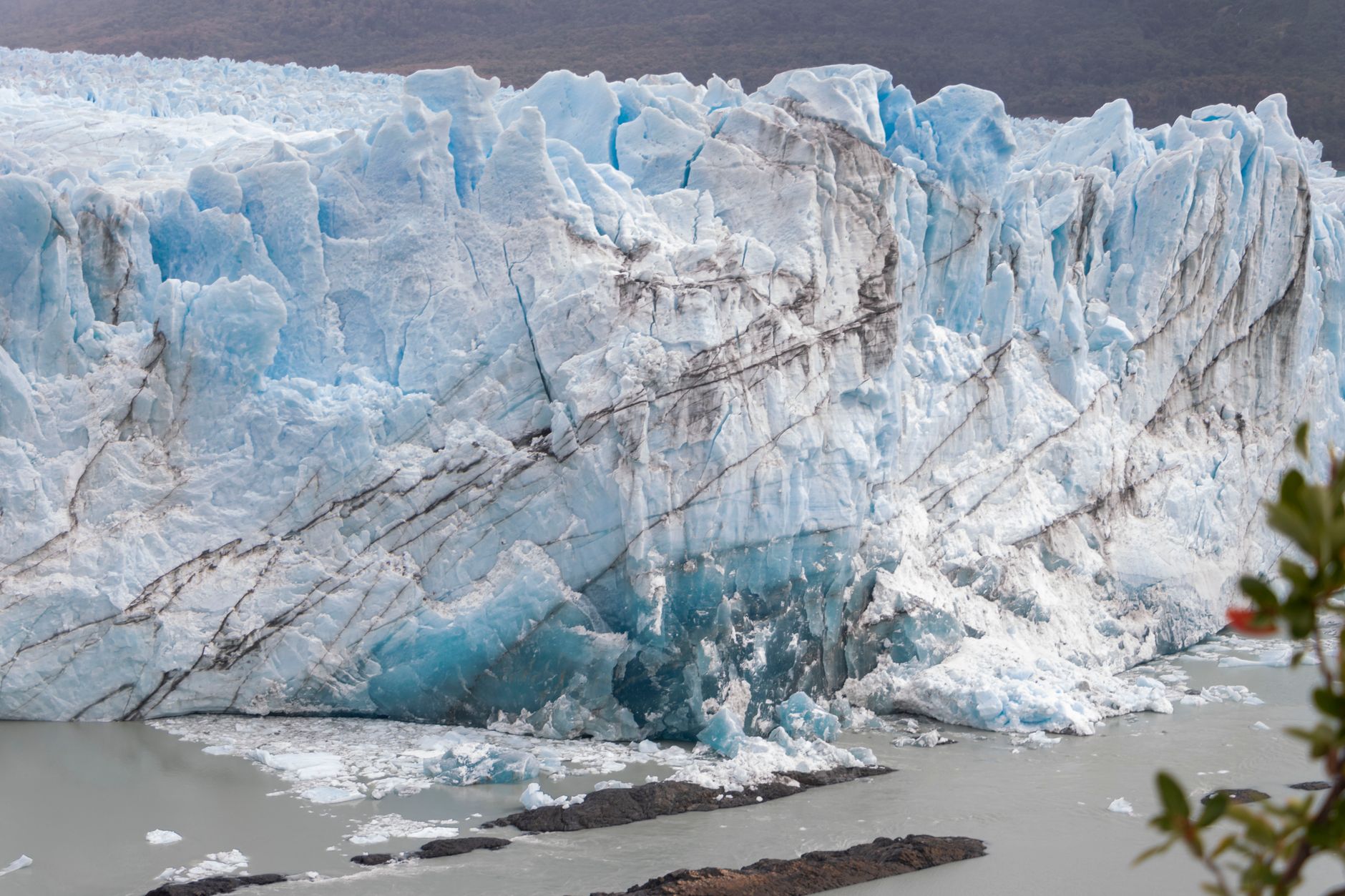
Standing on a ship deck as it crosses the Drake Passage, with albatrosses trailing overhead and nothing but open ocean in every direction, gives you a sense of scale that no photograph captures. Combining Patagonia and Antarctica into a single trip isn't just convenient logistics — it's a chance to see two of the planet's most extreme landscapes back to back, with the comfort and expertise of a luxury operator handling the details. Here's why this pairing has become one of the most sought-after itineraries in adventure travel.
You See Two Radically Different Wildernesses in One Trip
Patagonia and Antarctica share a hemisphere but almost nothing else visually. Patagonia gives you jagged granite spires like the ones in Torres del Paine, wind-scoured steppe, and turquoise glacial lakes. Antarctica strips that away entirely, replacing it with an almost monochrome world of ice shelves, tabular icebergs, and volcanic rock breaking through snow.
Traveling between them in a single itinerary means you experience temperate wilderness and polar wilderness within the same two or three weeks. Few destinations on earth offer that kind of contrast without a dozen separate flights and years of planning.
The Wildlife Encounters Are Genuinely Different at Each Stop
Patagonia's wildlife centers on land and coastline — guanacos grazing near estancias, Andean condors riding thermals above the mountains, and Magellanic penguins nesting in colonies along the Chilean and Argentine coasts. Antarctica shifts the focus almost entirely to marine life and ice-dependent species: gentoo and chinstrap penguins, crabeater seals lounging on floes, and humpback whales that surface close enough to hear their breath.
Because the ecosystems don't overlap much, you're not just seeing "more of the same" wildlife twice. You're getting two distinct wildlife itineraries, each with species and behaviors specific to that environment.
Luxury Expedition Ships Remove the Physical Strain of Polar Travel
Antarctica used to mean cramped bunks, shared bathrooms, and rough passages with little comfort at the end of the day. Modern expedition ships have changed that considerably, with balcony suites, heated pools, and butler service on some vessels sailing the same waters explorers once considered impossibly harsh.
This matters more than it might seem. The Drake Passage crossing can involve genuinely rough seas, and having a stabilized ship, a real bed, and decent food afterward makes the difference between an exhausting slog and a trip you actually enjoy. Comfort here isn't indulgence for its own sake — it's what makes the destination accessible to a wider range of travelers.
Expert Guides Turn Scenery Into Understanding
A luxury operator's value isn't only in thread count and menus. It's in the geologists, marine biologists, and polar historians who brief passengers before every landing and narrate what's happening in real time on deck. Understanding why an iceberg is that particular shade of blue, or how a colony of 100,000 penguins organizes itself on a rocky slope, changes the experience from sightseeing into something closer to a field course.
These experts also make the Zodiac landings and hikes safer, reading ice conditions and animal behavior in ways an untrained traveler simply can't. That expertise is baked into the price, and it's one of the harder things to put a dollar value on until you're standing on the ice benefiting from it.
The Timing Lines Up Almost Perfectly
Patagonia's peak hiking season, roughly November through March, overlaps almost exactly with the Antarctic cruising season, which runs from late October through March as well. This isn't a coincidence travelers have to work around — it's a seasonal alignment that makes combining both regions logistically straightforward.
Most operators build itineraries that start in Santiago or Buenos Aires, move through Patagonia for hiking and lodge stays, then continue to Ushuaia for the Antarctic sailing. A well-planned Patagonia Antarctica cruise takes advantage of this natural overlap, letting travelers move through both regions without long gaps in availability or weather windows that don't match up.
Access to Remote Regions Most Travelers Never Reach
Antarctica has no permanent population and no commercial infrastructure, which means every visit happens through a licensed operator with specific permits and environmental protocols. That exclusivity isn't manufactured scarcity — it's a genuine limitation of the destination. The same is true of Patagonia's more remote fjords and glacier fields, many of which are only reachable by boat or small aircraft.
Luxury itineraries typically include access to these harder-to-reach spots, whether that's a private estancia in Torres del Paine or a lesser-visited Antarctic bay away from the more heavily trafficked landing sites near the Antarctic Peninsula's northern tip.
The Trip Justifies Its Own Cost Through Rarity
A luxury Patagonia-to-Antarctica trip isn't cheap, with itineraries often running from $15,000 to $30,000 per person depending on ship class and season. But very few travel experiences offer something this physically and geographically rare — standing on a continent fewer people have visited than have climbed Everest, having just come from one of South America's most dramatic mountain ranges.
For travelers weighing the expense, the honest comparison isn't to a typical vacation. It's to the small number of other trips, if any, that offer this level of remoteness, wildlife access, and geographic range in a single continuous journey.
The real payoff of this itinerary isn't a single dramatic photo or one bucket-list moment — it's the accumulation of contrasts, from mountain silence to ocean ice, that makes the whole trip feel like two expeditions rolled into one. Booking early, ideally eight to twelve months ahead, gives you the best shot at the cabin category and departure dates that make that contrast work in your favor.







1 thought on “Top 7 Reasons a Luxury Patagonia to Antarctica Vacation Is Worth It”
Comments are closed.