

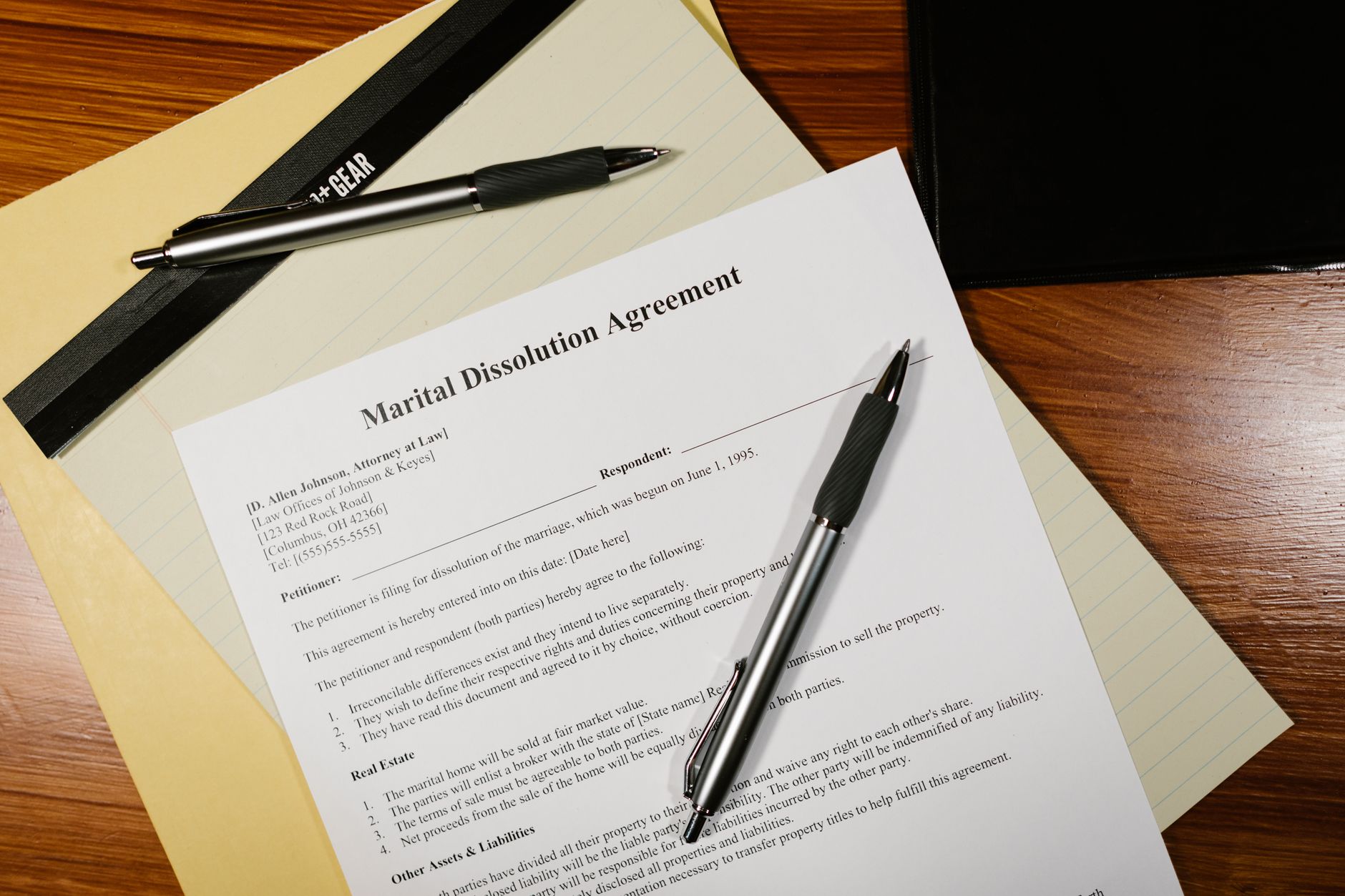
Divorce can become more complicated when a couple has spent years building wealth together. Business ownership, investment portfolios, multiple properties, retirement savings, and other financial interests can make property division difficult. For families in Barrington, Illinois, understanding how state law handles these assets can help them prepare for important financial decisions and avoid overlooking valuable property.
Working with a high asset divorce lawyer in Barrington, IL can help individuals understand their legal options when substantial wealth is involved. These cases often require detailed financial records, accurate asset valuations, and careful attention to how property was acquired during the marriage. Knowing what to expect can make the process easier to manage.
Understanding High Asset Divorce in Illinois
A high asset divorce involves more than dividing a home, savings account, or vehicle. It may include privately owned businesses, investment portfolios, rental properties, retirement plans, stock options, and valuable personal property. Each asset can raise different legal and financial questions, particularly when spouses disagree about its ownership, value, or future use.
Illinois follows an equitable distribution system. This means courts divide marital property in just proportions rather than automatically splitting everything equally. Under the Illinois Marriage and Dissolution of Marriage Act , judges consider factors such as each spouse’s contributions, financial circumstances, and future needs. The law does not require a 50-50 division in every case. Understanding these rules is important when evaluating a proposed settlement.
Identifying Marital and Non-Marital Assets
One of the first steps in a high asset divorce is determining which assets belong to the marital estate. Generally, property acquired by either spouse during the marriage is presumed to be marital property, regardless of whose name appears on the title. Illinois law also recognizes non-marital property, including certain gifts, inheritances, and assets owned before marriage.
The distinction can become complicated when separate and marital funds are mixed. For example, one spouse may have owned a business before marriage but used joint income to expand it over several years. An inherited investment account may also receive marital contributions. Financial records, account statements, and transaction histories can help establish how assets were acquired and whether reimbursement claims may apply.
Business Ownership and Professional Practice Valuation
Business ownership can create major challenges during divorce proceedings in Barrington. A privately held company, medical practice, consulting firm, or family business may represent a significant portion of the marital estate. However, determining its value is not always straightforward. Revenue, debts, operating expenses, market conditions, and future earning potential may all affect the final valuation.
A qualified business valuation professional can examine financial records and estimate what a company is worth. Common approaches include the income, market, and asset-based methods. The right approach depends on the business and available information. When spouses receive different valuation reports, their legal representatives may need to examine the assumptions, financial projections, and supporting documents before discussing a settlement.
Dividing Investment and Retirement Accounts
Investment portfolios often include stocks, mutual funds, brokerage accounts, and other financial products that change in value over time. Dividing these assets requires more than reviewing their current balances. The date of valuation, original contributions, market growth, and ownership history may all affect how the property is treated during divorce.
Retirement accounts also require careful review. A 401(k), pension, or individual retirement account may contain marital and non-marital portions. Some employer-sponsored plans require a Qualified Domestic Relations Order (QDRO) to divide benefits between former spouses. The order must follow the plan’s requirements. Reviewing these details before finalizing a settlement can help prevent administrative delays and unexpected financial consequences.
Addressing Hidden Assets and Financial Disclosures
Complete financial disclosure is an important part of divorce proceedings. Both spouses generally need to provide information about their income, property, debts, and financial accounts. Concerns may arise when one spouse suspects that assets have been transferred, undervalued, or left out of financial statements.
A detailed review of financial records may help identify inconsistencies. Forensic accountants can examine bank statements, business transactions, tax returns, and unusual financial activity. This may be especially relevant when one spouse controls a business or manages most household investments. In Barrington, accurate disclosure helps both parties and the court understand the marital estate before property division is decided.
Considering Negotiation and Collaborative Divorce
Not every high asset divorce needs to end in a courtroom. Some couples can resolve financial disagreements through negotiation, mediation, or collaborative divorce. These options allow spouses to discuss property division and other financial matters while working toward an agreement that reflects their circumstances.
Collaborative divorce may involve attorneys, financial professionals, and other neutral specialists. It can be useful when both spouses are willing to share information and participate in good-faith discussions. However, it may not suit every situation, particularly when there are serious concerns about financial concealment or an unwillingness to negotiate. Understanding the available processes helps individuals consider how their case may be resolved.
Preparing for Divorce Litigation in Barrington
When spouses cannot agree on business valuations, property ownership, or financial arrangements, litigation may become necessary. During this process, each side can present financial evidence, expert opinions, and supporting documents. A judge reviews the disputed issues and makes decisions under applicable Illinois law.
Preparation matters when substantial wealth is involved. Business records, tax returns, property appraisals, investment statements, and retirement documents may all become relevant. Individuals should organize their financial information early and avoid making unusual transfers or withdrawals without legal guidance. Keeping accurate records can also make settlement discussions more productive, even when a case eventually proceeds to trial.
Planning for Property Division and Future Needs
A divorce settlement should account for more than the immediate value of the assets being divided. One spouse may receive the family home while the other retains a larger investment portfolio. Although their estimated values may be similar, the assets can differ in taxes, maintenance costs, liquidity, and future earning potential. These differences deserve attention before an agreement is signed.
Spousal maintenance may also be relevant when there is a substantial difference in income between spouses. Illinois courts consider statutory factors, including each party’s income, property, needs, earning capacity, and the standard of living during the marriage. Reviewing property division alongside potential maintenance obligations can help individuals understand their financial position after divorce.
Making Informed Decisions During a High Asset Divorce
High asset divorce cases require careful attention to financial details and legal requirements. Business valuations, investment accounts, property classification, retirement benefits, and financial disclosures can all affect the final outcome. Taking time to understand the marital estate can help individuals avoid overlooking important assets or accepting terms without considering their long-term effects.
For Barrington residents, preparation starts with collecting financial records, understanding Illinois property division rules, and reviewing available resolution methods. Whether spouses reach an agreement through negotiation or require court involvement, accurate information and appropriate legal guidance can help them approach the process with greater clarity. A well-informed decision should reflect the full financial picture, not simply the value of assets on paper.










1 thought on “Legal Options for High Asset Divorce in Barrington, IL”
Comments are closed.