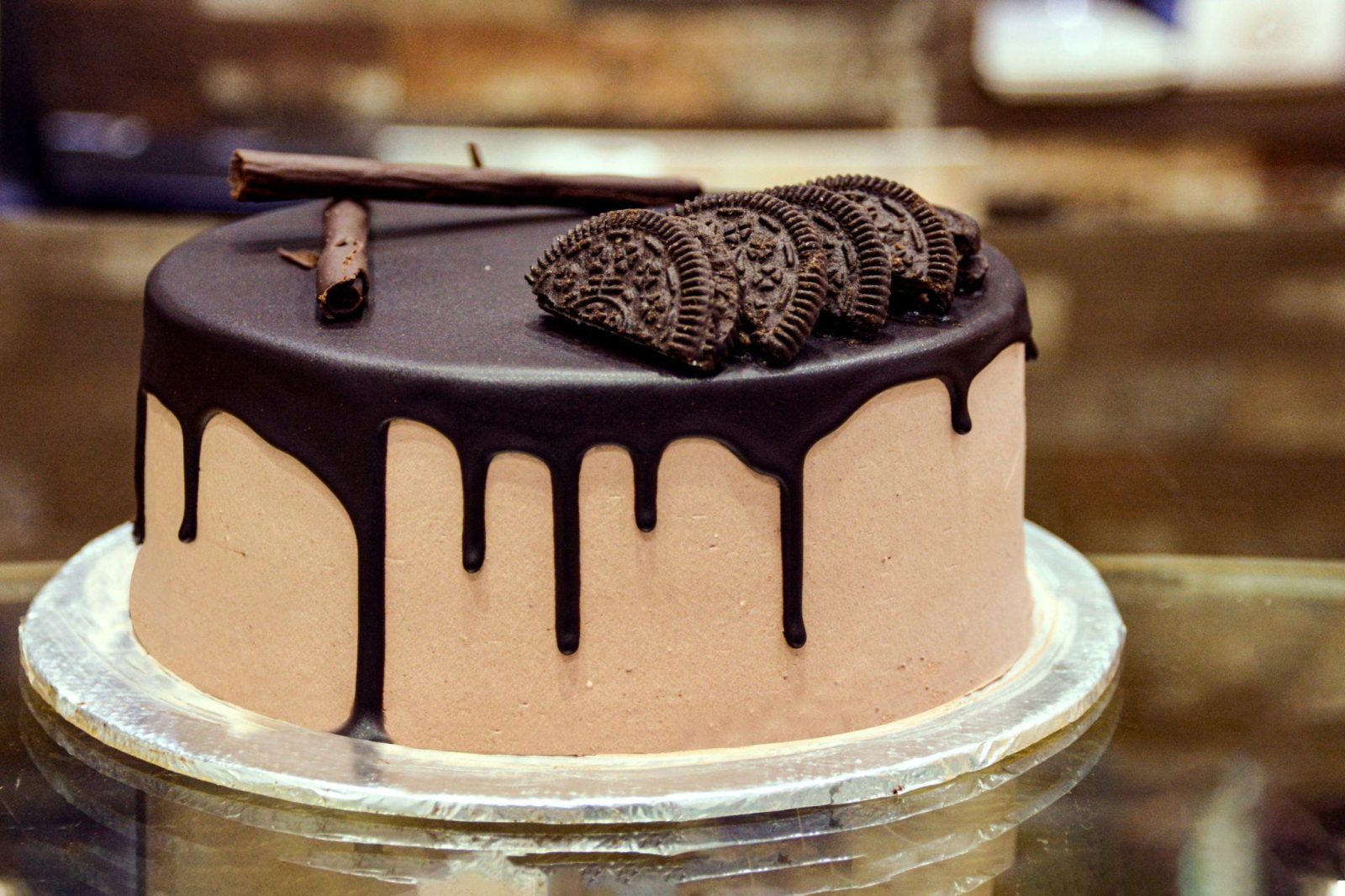
The birthday cake has barely changed in generations. Sponge, buttercream, candles, a knife and a round of slightly awkward slicing. It works, and most people are happy to see it arrive, but a growing number of hosts are asking whether it has to be the default. Some guests find sponge too sweet, some find it too heavy after a meal, and some simply remember the last five birthdays as a blur of identical cake.
Gelato is the alternative that comes up most often. The honest answer to whether it makes a good substitute is yes, in the right situation, and no in a few others. Knowing the difference is what decides whether the swap becomes the highlight of the party or a source of regret.
How Gelato Differs From Sponge and From Ice Cream
Gelato sits in its own category, and the differences from both a sponge cake and a typical tub of ice cream explain why it suits some celebrations so well.
Compared with ice cream, gelato usually contains less butterfat and is churned more slowly, which means less air is folded into it. The result is a denser, silkier texture and flavours that taste stronger, because there is less cream coating the palate. It is also served a little warmer than ice cream, which softens the texture further and lets the flavour come through more clearly on the first bite.
Compared with sponge, the contrast is bigger. A traditional cake offers soft crumb and sweet icing, and its flavour comes mostly from sugar and butter. A frozen cake built from small-batch gelato offers cold, creamy layers with a more pronounced flavour, often with a crisp or biscuit element for texture. Many people find it lighter to finish, even though it is rich, because the cold and the density tell the palate when it has had enough.
That makes it a different experience rather than a lesser one, and the question becomes whether that experience suits the gathering.
The Parties Where a Frozen Cake Makes Sense
Adult birthdays are the most natural fit. After a dinner, a frozen cake feels like a proper dessert rather than another round of sweetness, and it tends to please guests who usually decline cake. A small gathering also suits it well, because a single frozen cake can be cut into generous slices without anyone worrying about waste.
It works for hosts who want something distinctive without adding complexity. A cake made from gelato looks celebratory when it reaches the table, but it does not need a long list of decorations to feel special. The flavour does much of the work, and guests tend to remember it afterwards, which is useful if the aim is a birthday that feels different from the last one.
Milestone dinners, family gatherings and celebrations held indoors in the evening are all good matches. For anyone curious about what is available locally, gelato cakes in Sydney made fresh from small-batch gelato, with larger cakes ordered ahead for pickup and smaller ones sold in store, show how broad the range can be. A buyer can weigh the larger format for a group against the smaller one for a quiet celebration, which helps match the dessert to the size of the party.
It also suits groups with a mix of tastes. Gelato flavours are easier to align with personal preferences than a single vanilla or chocolate sponge, so a birthday person who loves a particular flavour can see it on the table.
The Situations Where a Traditional Cake Still Wins
A balanced answer has to include the cases where sponge is the safer choice, and there are several.
Hot weather and outdoor events are the obvious one. A frozen cake has a short window between leaving the freezer and softening, and an afternoon in direct heat leaves little time for singing, photographs and slicing. A traditional cake tolerates the wait and can sit on a table through a long party.
Large crowds are the second. Slicing a big frozen cake for thirty people means working quickly, and the portions soften as the line moves. A tiered sponge or a tray cake serves a crowd more calmly.
Dietary needs matter too. Guests who avoid dairy will not be able to enjoy a gelato-based dessert, so a host planning for a mixed group should check the guest list and arrange an alternative for anyone who needs one. Venues without freezer space are also worth thinking about, since a frozen cake needs to stay frozen until shortly before serving. Where none of those problems exist, a traditional cake loses its advantage, but where any one of them applies, it deserves serious consideration.
Serving It Well on the Day
A few small habits make the difference between a frozen cake that looks and tastes right and one that arrives with a puddle on the plate.
Plan the freezer first. The cake should stay frozen until shortly before the candles come out, so clear a flat shelf in advance and check that nothing is likely to sit on top of it. Collecting it close to the time of the party keeps the journey short, particularly when the pickup is by car.
Give it a few minutes to rest before cutting. Gelato is meant to be served slightly softer than ice cream, and a short wait lets the layers loosen enough to slice cleanly and gives the flavour a chance to open up. A knife run under hot water and dried between cuts leaves tidy edges.
Candles and presentation can stay simple. A cake like this looks good on a plain stand or board, and the sparklers and decorations can wait for the photographs. Smaller formats suit some groups better than one large cake, so hosts expecting a modest crowd might choose a couple of smaller ones in different flavours and let guests pick.