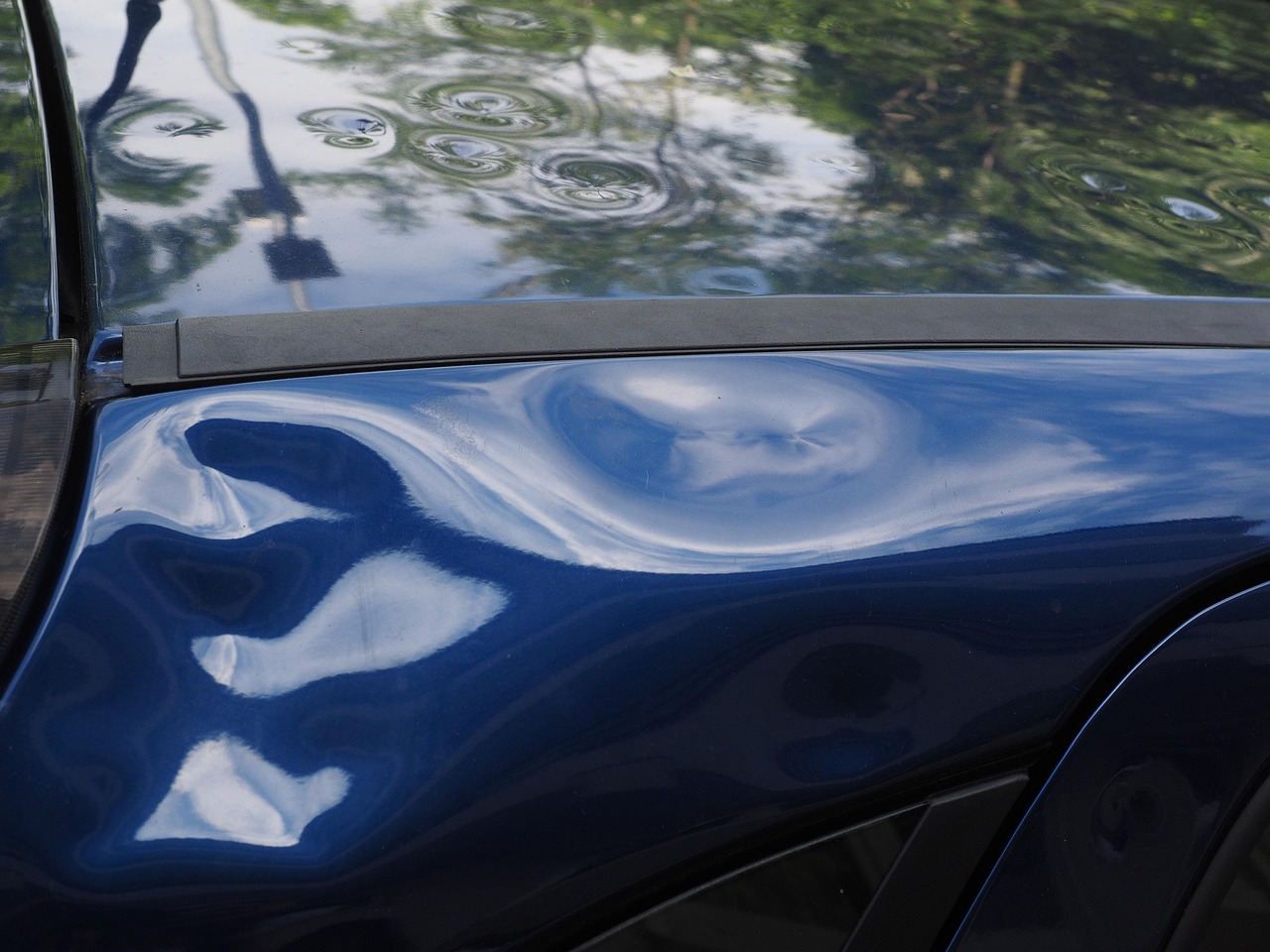
A hailstorm can roll through a neighborhood in ten minutes and leave behind damage that takes months to sort out. Most homeowners expect the claim to be simple, since the storm made the news and the roof clearly took a beating. So why do so many of these claims end up underpaid, delayed, or denied? Most hail claims run into trouble because the damage is hard to spot, insurers blame the roof’s age, and policy terms quietly shrink the payout.
The good news is that these problems are predictable. If you are dealing with hailstorm property damage, knowing where claims usually break down can help you prepare before you ever call your insurance company. A little planning gives you a much better shot at getting paid what the repairs actually cost.
Hail Damage Is Not Always Easy to See
A cracked window is obvious, but a bruised shingle is not. Hail often knocks loose the protective granules on asphalt shingles or creates small fractures underneath. From the ground, the roof may look fine, yet those weak spots can let water in over the next several months.
Many people do not notice the damage until a leak shows up long after the storm. By then, the insurance company may question whether hail caused it or something that happened later. Damage that stays hidden at first is often the hardest damage to prove.
Insurers Often Point to Age and Wear
One of the most common reasons hail claims get reduced or denied is that the insurer says the storm did not cause the damage. Instead, the company may blame normal aging, poor installation, foot traffic, or an older storm that was never reported.
Roofs do wear out, so this argument can sound fair. The problem is that old wear and new hail damage often sit side by side on the same roof. An adjuster who spends only a short time up there may lump everything together as wear, and homeowners without their own evidence have little to push back with.
The Adjuster’s Estimate Is Only One Opinion
After you file, the insurance company usually sends an adjuster to inspect the property. Many people treat that report as the final word, but it is not. The adjuster works for the insurer, and the estimate reflects that company’s view of what the damage is worth.
Estimates can come in low for several reasons. The adjuster may miss damaged areas, price materials below current costs, or suggest patching when the roof really needs replacing. If your shingle style is no longer made, a clean patch may not even be possible. A separate estimate from a licensed roofer gives you something solid to compare against the insurer’s numbers.
The Fine Print Can Shrink a Payout
Even when the insurer agrees that hail caused the damage, the policy terms can cut the payment down. Reading your policy before a storm hits can save you from some unpleasant surprises.
Some policies pay actual cash value, which subtracts depreciation for the age of the roof. Others pay replacement cost, but only after the repairs are finished and receipts are turned in. Many homeowners also carry a separate wind and hail deductible based on a percentage of the home’s insured value. On a home insured for $300,000, a 2 percent deductible means the first $6,000 comes out of your pocket. Some newer policies also exclude cosmetic damage, such as dents in metal roofing that do not cause leaks.
Timing Works Against Homeowners
Most policies require prompt reporting, and many set a firm deadline for filing after a storm. Waiting too long can give the insurer a reason to deny the claim or argue that later weather caused the problem.
Hail is also one of the most common causes of property claims in the country. The Insurance Information Institute’s hail facts and statistics show that thousands of hail events are reported across the United States every year. When a big storm hits, insurers get flooded with claims at once, inspections get rushed, and homeowners who do not follow up can get pushed to the back of the line.
Documentation Makes or Breaks the Claim
The strongest hail claims are built on records, not memory. Write down the date and time of the storm, and save local weather reports or news coverage showing hail in your area that day. That information helps prove the storm happened where and when you say it did.
Next, take clear photos and video of all damage, both close up and from a distance. Check the roof, gutters, downspouts, window screens, siding, air conditioning units, fences, and vehicles. Soft metals like gutters often show dents more clearly than shingles, which helps show the size of the hail. Keep receipts for emergency repairs like tarping, since most policies expect you to prevent further damage.
Knowing When to Get Outside Help
Not every claim needs outside help. If the insurer pays a fair amount quickly, the process can go fairly smoothly. But if the claim is denied, the offer falls far below your contractor’s estimate, or the company keeps stalling without a clear reason, it may be time to look at other options.
Many policies include an appraisal clause that lets each side hire its own appraiser when the two sides disagree on the amount of loss. A public adjuster can also handle the claim for a fee. When an insurer refuses to pay a valid claim without good cause, a property insurance attorney can review whether the company broke the policy or acted in bad faith.
The Bottom Line
Hail damage claims look easy because the storm itself is so hard to miss. The real challenge is proving what the hail did, when it happened, and what it will cost to fix. Insurers often focus on age, wear, and policy limits, and the first estimate is rarely the most generous one.
Homeowners who come out ahead usually act quickly, document everything, read their policy, and get independent estimates. If the insurance company still will not pay what the repairs are worth, you do not have to accept the first answer. Getting informed early puts you in a much stronger position to get your home fixed the right way.