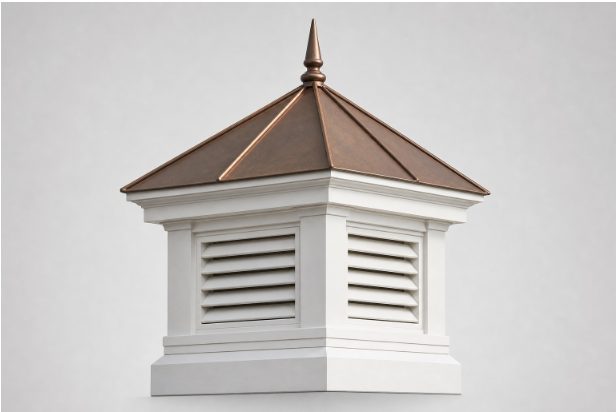
Why Cupola Choice Requires More Than Good Looks
A cupola can give a shed, garage, gazebo, workshop, or barn a finished focal point. Depending on its design, it may also introduce daylight or support airflow near the roof peak. When comparing styles, At Sunrise Structures LLC, you'll find gorgeous Amish cupolas for sale in designs that can complement a range of traditional and modern outbuildings. The best choice should look like part of the original structure, not an oversized ornament placed on top afterward. Roof shape, pitch, climate, material, and the building's intended use should guide the decision. As this overview of how cupolas can improve airflow and bring in light explains, these roof features can be both practical and decorative when properly designed and installed.
Step 1: Measure The Building And Roof
Measure before shopping. A product photo alone cannot show whether a cupola will appear balanced on your roof.
- Measure the building's front width and overall length.
- Measure the uninterrupted ridge length.
- Record the roof pitch and distance from grade to the roof peak.
- Note the roof covering, its condition, and any nearby vents or penetrations.
Building width is especially useful for estimating the visual width of one cupola. Ridge length helps determine whether a centered single unit will look right or whether a longer building may need a symmetrical multi-cupola layout.
Step 2: Match The Cupola To The Structure
Small sheds usually benefit from compact cupolas that do not dominate a short roofline. A broad, detached garage can accommodate a wider base or a taller profile because its front elevation has greater visual mass. For a gazebo, match the cupola base and roof shape to the structure's geometry. An octagonal gazebo, for example, often looks most cohesive with an octagonal or similarly faceted top feature. Workshops and barns require an additional functional review. If airflow is a goal, consider how air will enter lower in the building and exit near the top. A roof cupola alone does not replace the ventilation required by equipment, stored materials, occupancy, or local code.
Step 3: Use Proportion Instead Of Guesswork
Some builders use a starting guideline of roughly 1 to 1.5 inches of cupola base width for every foot of building width. Treat that range as a visual planning tool, not a structural rule or code requirement. A 12-foot-wide shed may suit a much smaller cupola than a 24-foot-wide garage, even when both have similar roof pitches. Review the proposed size of the driveway, street, and yard. A cupola can look substantial when viewed close up, yet disappear from a distance. Conversely, a very tall model can overpower a low-pitched roof. The architectural use of cupolas also shows why shape and proportion have long been central to their design.
Step 4: Choose Between Louvers And Windows
- Louvered cupolas: Angled slats create a classic look and can allow air to move while helping block direct rain.
- Windowed cupolas: Glass panels can introduce natural light and create a more refined architectural appearance.
- Hybrid designs: Some styles combine open-looking details with weather protection.
- Closed cupolas: Decorative units can be appropriate when no roof opening or ventilation is planned.
For a vented installation, performance depends on the full assembly. Intake openings, insulation, interior obstructions, screen details, and weather conditions all affect how much air actually moves.
Step 5: Compare Common Materials
Wood offers a traditional appearance and can be painted or customized, but it needs consistent protection from moisture. Vinyl often reduces the need for painting and is popular for low-maintenance projects. Metal can create a crisp, durable-looking finish, while composite materials may offer design flexibility and require less routine upkeep than painted wood. Compare the complete unit, not just the side panels. Consider roof material, fasteners, base construction, finish quality, warranty terms, repair options, and total weight. A heavier cupola may require a more deliberate installation plan.
Step 6: Think About Weather And Roof Performance
Wind, snow, ice, rain, and sun exposure should influence the final selection. Taller cupolas present more surface area to wind, while larger or heavier units add load to the roof structure. Proper flashing and a reliable water-shedding path are essential wherever the cupola meets the roof.
- Assess wind exposure and the building's location.
- Confirm the roof framing can support the planned unit.
- Use flashing compatible with the existing roof covering.
- Keep seams, fasteners, and openings protected from water intrusion.
Step 7: Decide Whether One Or More Cupolas Make Sense
One centered cupola is often the clearest choice for a shed, small garage, or gazebo. On a long barn or large outbuilding, two or more matching cupolas may create better balance. Their spacing should follow the roof's visual rhythm and work with the framing below. Several undersized units placed unevenly can make a long roof look cluttered rather than intentional.
Step 8: Plan For Installation
Confirm roof pitch, base dimensions, access, lifting method, and attachment points before ordering. If the design requires an opening, identify rafters, trusses, and other framing members before cutting roofing or sheathing. Install the cupola with appropriate flashing, weather seals, and anchoring for wind uplift. A qualified roofer or contractor is a prudent choice for steep roofs, tall structures, heavy units, or any project involving structural modifications.
Step 9: Check Local Rules Before Work Begins
Permit requirements, height limits, historic-district restrictions, and homeowner association rules vary by location. Contact the local building department before ordering a cupola that changes the building height, roof profile, or framing. Even a decorative roof feature may need to meet applicable structural and weather-resistance requirements.
Common Questions
What Size Cupola Works On A Small Shed?
Start with the shed width, roof pitch, ridge length, and viewing distance. Use proportional guidelines only as a first estimate, then assess the design from ground level.
Should A Cupola Be Centered?
Centering usually creates the most balanced result on compact buildings. Longer structures may look better with multiple evenly spaced cupolas.
Does A Cupola Need A Weathervane?
No. A weathervane is optional, but it adds height and wind exposure, so its scale should suit the cupola and building below it.
Final Selection Checklist
- Measure the structure, ridge, and roof pitch.
- Choose a proportionate base width and height.
- Select louvers, windows, or a closed design based on the goal.
- Compare material maintenance, weight, and weather resistance.
- Plan flashing, anchoring, safe lifting, and roof access.
- Confirm local permits and property rules before installation.
Conclusion
The right cupola should appear naturally connected to the building's shape and scale. By measuring carefully, choosing a suitable style and material, accounting for weather, and planning installation before purchase, you can add lasting character without creating unnecessary roof, maintenance, or safety concerns. Consider the roof pitch, available space, overall building dimensions, and the cupola's proportions to ensure the finished structure looks balanced from different angles. It is also important to consider how the cupola will be supported and secured, particularly in areas exposed to strong winds, heavy rain, or changing weather conditions. Selecting durable materials and finishes can help reduce maintenance needs over time, while proper flashing and installation can help limit the risk of water intrusion. Before ordering, review the manufacturer's specifications, installation requirements, and any local building requirements that may apply. Taking these steps can make the project easier to plan and help ensure the cupola complements the building while remaining practical to maintain.