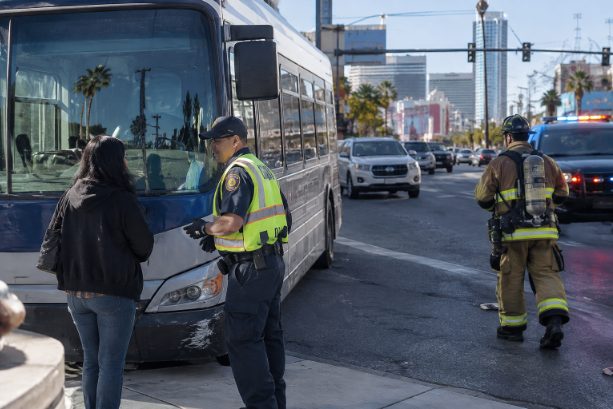
A serious car accident can leave you dealing with injuries, vehicle damage, medical bills, missed work, and many unanswered questions. Knowing what to do next can help you protect your health and understand your options. If you need St. Louis car crash legal help, taking action early can also make it easier to preserve important information about what happened.
Get Medical Attention First
Your health should come before anything else after a serious car accident in St. Louis. Some injuries are obvious, while others may take hours or even days to become noticeable. Head injuries, internal injuries, soft tissue damage, and other conditions may not cause strong symptoms right away.
If emergency medical workers recommend treatment, follow their instructions. If you did not receive emergency care at the scene but later develop pain, dizziness, headaches, weakness, or other symptoms, seek medical attention promptly.
Medical records can become important after a St. Louis car accident. They can document when you were treated, what injuries were identified, what care was recommended, and how the injuries affected you.
Do not assume that feeling better for a short period means that an injury has completely healed. Some accident-related conditions require follow-up care or continued treatment.
Report the Accident and Gather Information
After a serious collision in St. Louis, an accident report can provide an important record of what happened. Information collected at the scene may include the location, vehicles involved, statements from drivers or witnesses, and other details.
If you are physically able, collect basic information from the other driver. This can include the driver's name, contact information, insurance information, vehicle details, and license plate number.
Photographs can also be useful. Take pictures of vehicle damage, visible injuries, road conditions, traffic signs, debris, and the surrounding area when it is safe to do so.
Witness information may also help. A witness who saw the crash can potentially provide details that are not clear from photographs or vehicle damage alone.
Avoid arguing with another driver at the scene. You also should not make statements accepting blame before all the facts are known. A serious collision can involve several factors that are difficult to understand immediately.
Notify Your Insurance Company
You may need to report your St. Louis car accident to your insurance company after the crash. Review your policy and follow the required reporting process.
When speaking with an insurer, provide accurate information about the accident. Avoid guessing about facts you do not know. You do not need to provide a detailed opinion about who was responsible if you are uncertain.
Insurance companies may ask questions about the crash, injuries, medical care, property damage, and other losses. Keep copies of correspondence, claim information, estimates, and other documents connected to the claim.
The Missouri Department of Revenue's insurance information explains state insurance requirements and provides information for drivers dealing with accidents.
Remember that an insurance claim and a legal claim are not always the same thing. An insurer's evaluation may not account for every loss that could potentially be part of a legal claim.
Keep Track of Your Losses
A serious collision can create expenses that go beyond the cost of repairing a vehicle.
Medical expenses may include emergency treatment, hospital care, medication, diagnostic testing, physical therapy, follow-up appointments, and other necessary care. You may also lose income if your injuries prevent you from working.
Keep records of these expenses as they occur. Save medical bills, receipts, wage information, repair estimates, and other documents connected to the St. Louis accident.
It can also help to keep a simple record of how your injuries affect your daily life. For example, you may have difficulty driving, sleeping, exercising, caring for children, completing household tasks, or performing duties at work.
These details can help create a clearer picture of the impact of the accident.
Be Careful With Social Media
After an accident, it is usually wise to think carefully before posting about the crash or your injuries online.
Photos, videos, comments, check-ins, and other social media activity may be viewed by insurance companies or opposing parties. A post that seems harmless could be interpreted differently when taken out of context.
You do not need to discuss the details of your St. Louis accident publicly. Avoid posting statements about fault, your injuries, settlement discussions, or other matters related to a potential claim.
Understand the Legal Timeline
Every accident claim is different. The time available to pursue legal action can depend on the type of claim, the people involved, and other facts.
Missouri law generally provides a five-year period for many actions involving personal injury under Section 516.120, although exceptions and different rules can apply in particular circumstances. The Missouri Revised Statutes provide the statutory language, but the deadline for a particular claim can depend on its facts.
A longer deadline does not mean waiting is a good idea. Evidence can become harder to locate as time passes. Witnesses may forget important details, records can become more difficult to obtain, and physical evidence may no longer be available.
Getting legal information early after a St. Louis crash can help you understand the deadlines and steps that may apply to your situation.
Consider Your Options Before Accepting a Settlement
An insurance company may offer a settlement to resolve a claim. Before accepting an offer, consider whether it accounts for your current and future losses.
Some injuries require months of treatment. Others may affect a person's ability to work or perform normal activities for a much longer period. Accepting a settlement generally involves resolving the claim, so it is important to understand what you are agreeing to before signing documents.
Do not feel pressured to make a decision simply because an insurer wants a quick response. Ask questions about what the offer covers and whether additional medical care or other losses could remain.
A St. Louis accident that initially appears manageable can become more complicated if medical treatment continues or an injury affects your ability to work.
When Legal Guidance May Help
Legal guidance can be useful when an accident involves serious injuries, disputed responsibility, significant medical expenses, lost income, permanent limitations, or other major losses.
A lawyer can review the available evidence, explain the legal process, communicate with insurers, and help determine what information may be needed to evaluate a claim.
Legal guidance may be especially useful when a St. Louis crash involves multiple vehicles, serious injuries, disputed fault, or questions about available insurance coverage.
The right approach depends on the circumstances of each accident. There is no single process that fits every situation.
Take the Next Step Carefully
The period after a serious car accident can feel confusing, especially when you are also trying to recover from physical injuries. Taking things one step at a time can make the process easier.
Start with medical care. Report the accident when required. Gather records and photographs. Keep track of expenses and missed work. Be careful about what you say publicly, and understand any documents before signing them.
Most importantly, do not ignore the legal side of the situation simply because the accident happened quickly. Serious collisions can create long-term consequences, and early attention to your rights and responsibilities can help you make informed decisions about what comes next.