

Understanding the Revolution in Orthodontic Treatment
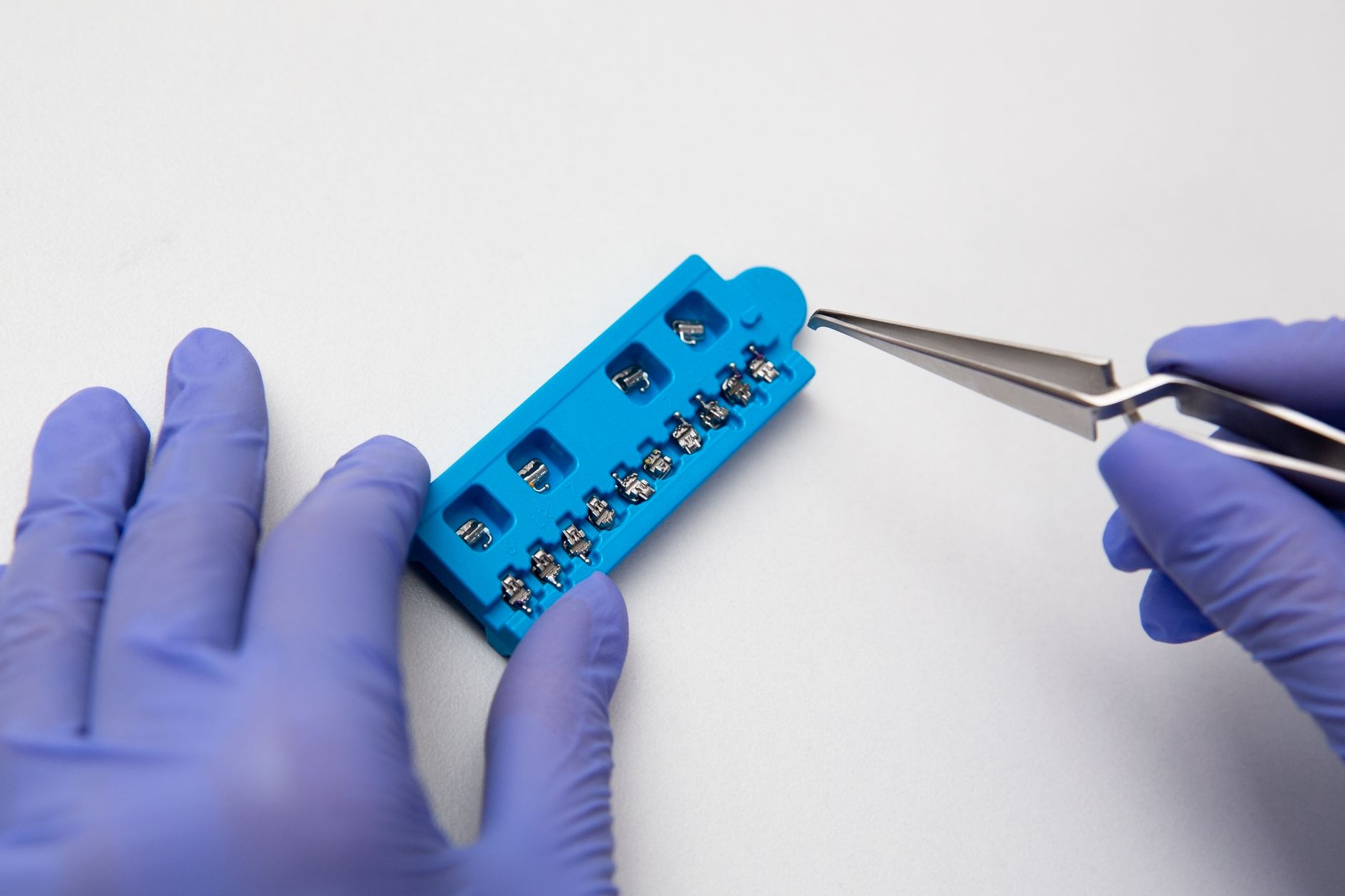
The field of orthodontics has witnessed remarkable advancements in recent decades, with mini-implants emerging as one of the most significant innovations for practitioners and patients alike. These tiny titanium screws, typically measuring between 1.2 and 2.0 millimetres in diameter, have transformed the way dental professionals approach complex tooth movements that were once considered extremely difficult or even impossible to achieve. By providing skeletal anchorage rather than relying solely on existing teeth, mini-implants offer stability that has opened new possibilities in treatment planning and execution.
Traditional orthodontic techniques often faced limitations when moving teeth in specific directions, particularly in cases requiring significant tooth displacement or insufficient natural anchorage. The introduction of temporary anchorage devices has effectively eliminated many of these constraints, allowing for more predictable outcomes and reduced treatment times. An experienced orthodontist in London can now tackle challenging cases with greater confidence and precision than ever before.
The Mechanics Behind Mini-Implant Anchorage
Mini-implants function by providing a fixed point against which orthodontic forces can be applied, essentially creating an immovable anchor within the bone structure of the jaw. Unlike conventional anchorage methods that rely on multiple teeth being connected, these devices are placed directly into the cortical bone, where they achieve immediate stability through mechanical retention. This osseointegration process, whilst not as extensive as that required for dental implants used in tooth replacement, provides sufficient stability for the duration of orthodontic treatment.
Strategic Placement for Optimal Results
The positioning of mini-implants requires careful consideration of anatomical structures, root positions, and the specific biomechanical requirements of each case. Common placement sites include the space between tooth roots in the buccal and palatal regions, as well as specific areas of the palate where bone density is particularly favourable. Recent research on orthodontic mini-implant success rates has demonstrated that proper placement technique significantly influences long-term stability and treatment outcomes.
Clinical Applications in Complex Cases
The versatility of mini-implants becomes particularly evident when addressing challenging orthodontic scenarios that would otherwise require surgical intervention or compromise on ideal treatment outcomes. Intrusion of over-erupted molars, correction of severe overbites, and en masse retraction of anterior teeth are just a few examples where these devices have proven invaluable. The ability to apply force from a skeletal source rather than relying on tooth-to-tooth anchorage means that unwanted reciprocal movements are virtually eliminated, resulting in more efficient and predictable treatment.
Furthermore, mini-implants have revolutionised the management of asymmetrical cases and midline corrections. When dealing with unilateral tooth movements or situations where one side of the dental arch requires significantly more adjustment than the other, traditional methods often struggle to maintain proper anchorage. The strategic placement of mini-implants enables practitioners to apply precise directional forces where needed, facilitating corrections that would have previously required patient compliance with headgear or other cumbersome appliances.
Patient Benefits and Treatment Efficiency
From a patient perspective, the advantages of mini-implant anchorage extend beyond purely clinical outcomes. Treatment duration is often reduced because the biomechanics are more efficient and predictable. Clinical guidance on orthodontic anchorage devices highlights the improved treatment timelines associated with their use. Additionally, patient compliance becomes less of a concern, as the anchorage is fixed and does not rely on wearing removable appliances or elastics for extended periods.
The placement procedure itself is relatively straightforward, typically performed under local anaesthetic in a matter of minutes. Most patients report minimal discomfort during and after insertion, with any tenderness usually subsiding within a few days. Studies examining temporary anchorage device outcomes have confirmed high success rates and patient satisfaction levels, contributing to their widespread adoption in contemporary orthodontic practice.
The Future of Orthodontic Anchorage
As orthodontic technology continues to evolve, mini-implants represent a cornerstone of modern treatment philosophy, enabling practitioners to achieve results that align more closely with ideal treatment objectives. Their integration into routine orthodontic practice has fundamentally altered the approach to complex tooth movements, offering patients more efficient, comfortable, and predictable treatment experiences. The ongoing refinement of placement techniques and implant designs promises to further enhance their utility in the years ahead.








2 thoughts on “How Orthodontic Mini-Implants Provide Stable Anchorage for Challenging Tooth Movements”
Comments are closed.