A pilonidal cyst and hemorrhoids are two common conditions affecting the lower pelvic and anal region. Although they are different disorders, both may cause significant discomfort and interfere with everyday activities. Early medical assessment is important for confirming the diagnosis and determining the most appropriate treatment based on each patient's condition.
What Is a Pilonidal Cyst?
A pilonidal cyst is a small cavity that develops beneath the skin in the cleft between the buttocks, near the coccyx. It usually contains hair and commonly forms when hairs penetrate the skin, causing inflammation.
As inflammation progresses, an abscess may develop and become painful. In some cases, several small openings or sinus tracts can form in the skin and may eventually discharge pus.
Pilonidal cysts occur more frequently in young men, particularly between the ages of 15 and 24. They are especially associated with individuals who have dark, coarse hair in the sacrococcygeal region.
Common Symptoms of a Pilonidal Cyst
In its early stages, a pilonidal cyst may cause pain, itching, redness and mild swelling around the coccyx. When the condition becomes more advanced, patients may experience a painful abscess, bleeding or discharge of fluid or pus.
Some patients may also develop fever, nausea or general weakness. Diagnosis is mainly based on clinical examination, while blood tests or imaging examinations, such as ultrasound or magnetic resonance imaging, may occasionally be required.
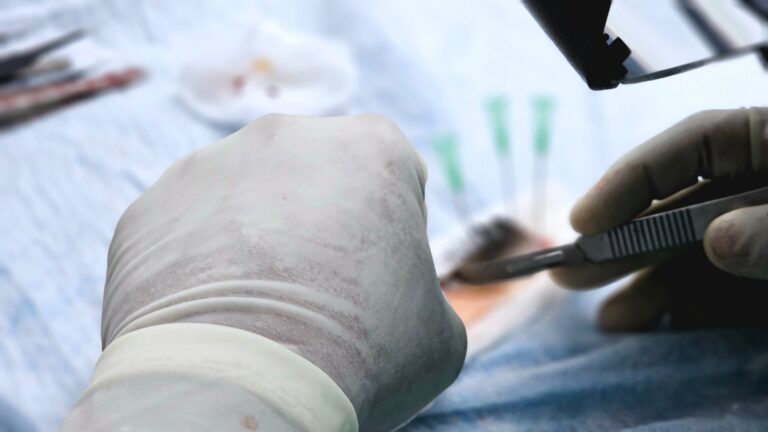
Treatment is always individualized. In early stages, antibiotics may be used, although conservative management often provides temporary relief. Surgical treatment aims to remove the inflamed tissue, cyst and associated sinus tracts.
Laser Treatment for Pilonidal Cysts
Laser treatment is a minimally invasive option for selected patients. It may be performed under local anesthesia or sedation. Laser energy is applied to the cyst and its internal walls, producing photothermal destruction of the affected tissue.
The technique is associated with rapid recovery, a short hospital stay, simple wound care and quicker return to daily activities. However, laser therapy is not suitable for every case. Complex or recurrent pilonidal disease may require other surgical techniques, including marsupialization, radical excision or the Karydakis procedure.
What Are Hemorrhoids?
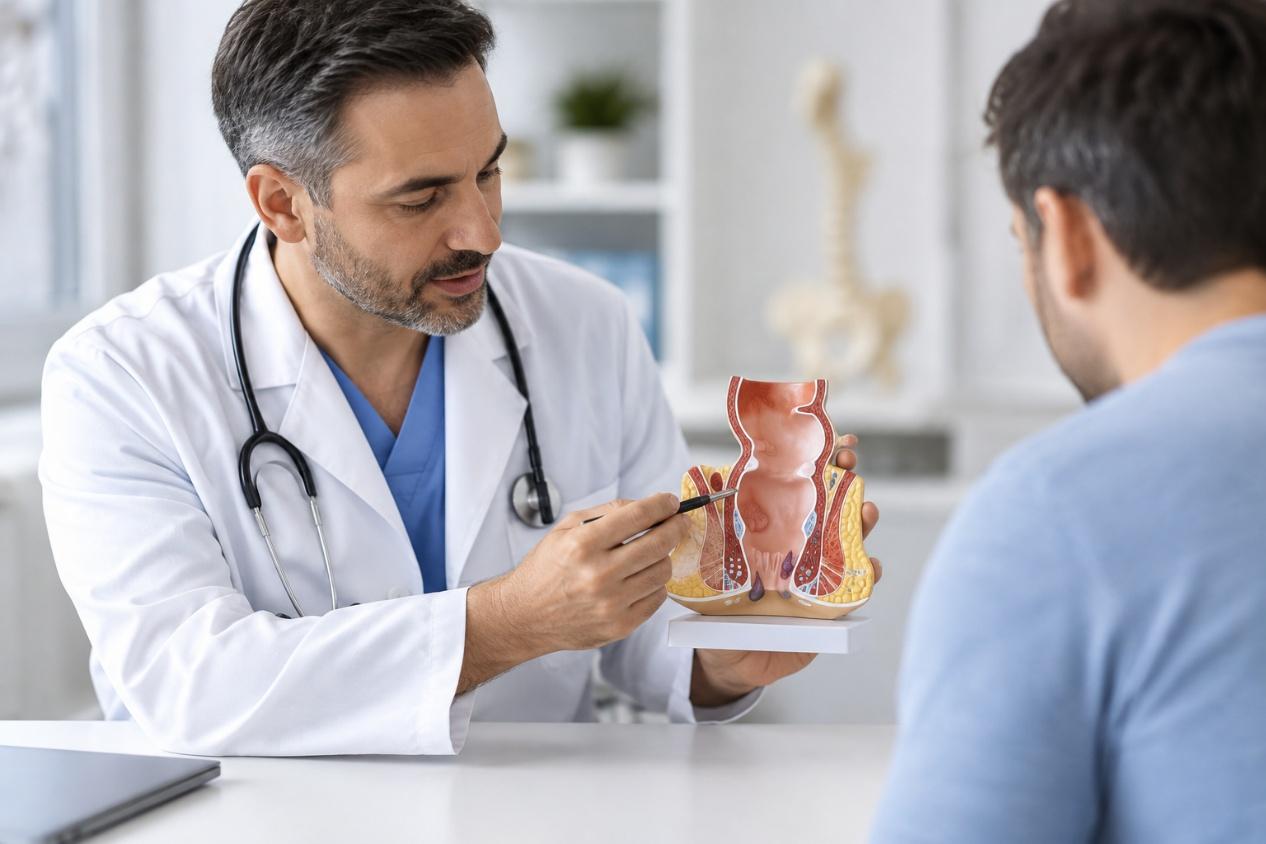
Hemorrhoids are vascular structures normally located within the anal region and contribute to continence. When these blood vessels become abnormally enlarged, hemorrhoidal disease develops.
Hemorrhoids may be internal or external. Internal hemorrhoids are classified into four grades, depending on whether they remain inside the anal canal or prolapse during bowel movements.
Common contributing factors include constipation, chronic diarrhea, obesity, sudden weight gain, heavy physical strain, lack of exercise and a diet low in fiber. Age, heredity, pregnancy, childbirth and prostate conditions may also play a role.
Symptoms and Treatment of Hemorrhoids
Typical symptoms include blood in the stool or on toilet paper, constipation, anal itching, mucus discharge, pain and local irritation.
Treatment depends on the severity of the condition. Conservative measures may include increasing dietary fiber and fluid intake, exercising regularly, avoiding excessive straining during bowel movements and maintaining appropriate local hygiene.
When conservative treatment is insufficient, minimally invasive options may be considered. Laser hemorrhoidoplasty uses a 1470 nm diode laser fiber placed within the hemorrhoidal tissue. The controlled thermal effect causes the enlarged vessels to shrink without tissue excision and, in most cases, without stitches.
Seek Specialized Surgical Advice
Both a pilonidal cyst and hemorrhoids require accurate diagnosis before treatment is selected. The therapeutic approach should always be adapted to the stage, symptoms and individual characteristics of each patient.
For evaluation and personalized treatment of conditions affecting the anal region, contact General Surgeon Dimitrios Gialvalis, who specializes in diseases of the anus and can recommend the most appropriate management based on your individual case.