

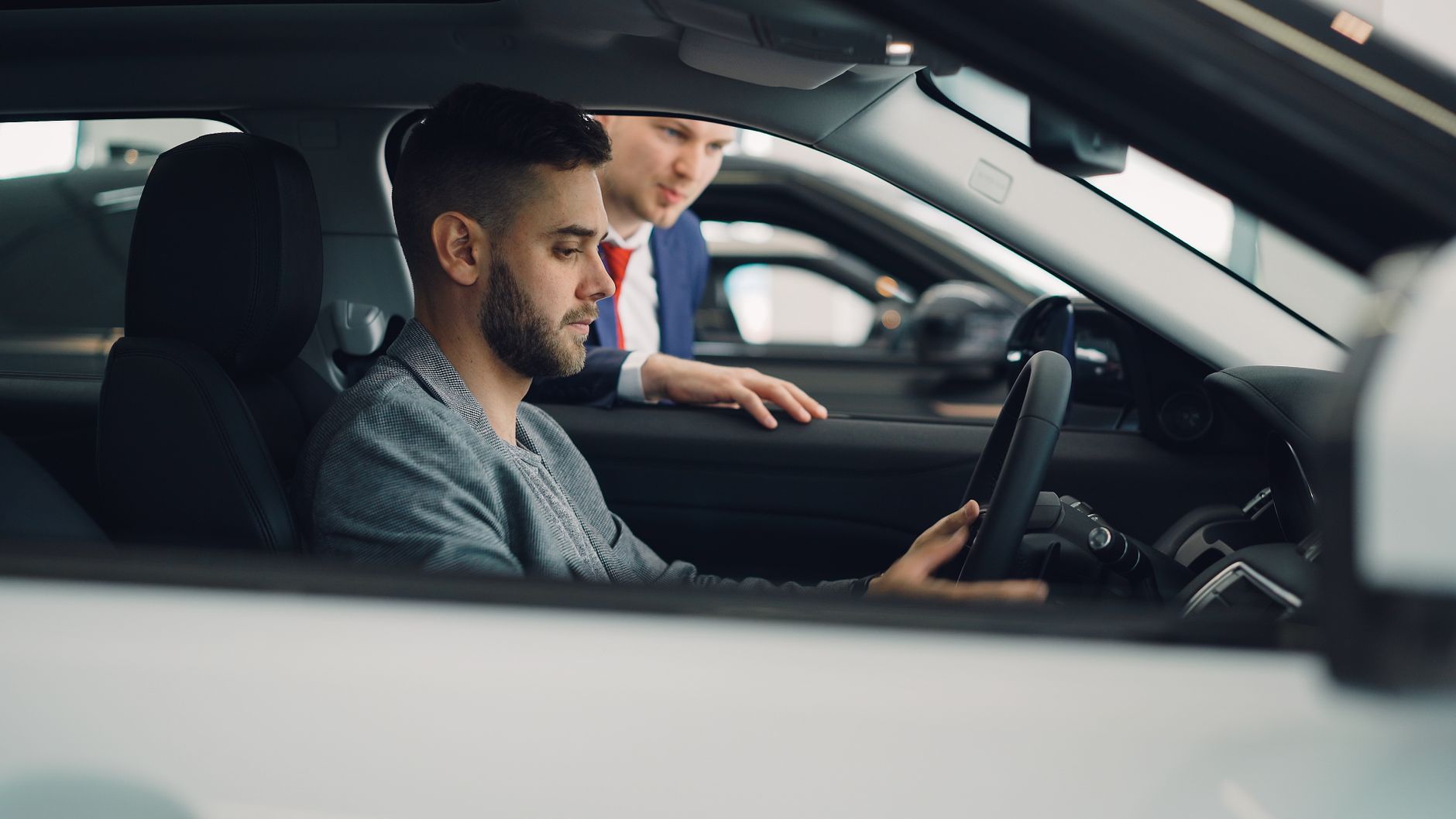
A luxury car can hide a lot behind quiet cabins, configurable drive modes, and beautifully presented spec sheets. A quick lap around the block rarely shows how a chassis behaves on rough pavement, how driver assist works in traffic, or whether carbon ceramic brakes feel confident when cold. A meaningful test drive is structured, not rushed. Plan a route, configure the car correctly, and evaluate specific systems with intention. The goal is to reveal how the vehicle will live with you on Monday morning and still thrill you on Saturday. Here is a clear, repeatable approach that helps drivers separate polish from substance during a luxury car test drive.
1. Build a Route That Exposes Strengths and Weaknesses
Include city streets with patchy asphalt, a highway stint, a safe place for a few firm stops, and tight parking maneuvers. If you park in a steep garage, find a ramp to test approach angles or a nose lift. Add a traffic circle or a series of right and left turns to check steering lock and turning radius. Ask the salesperson at a luxury car dealership to accommodate an extended loop that mirrors your routine. A commuter might prioritize highway on-ramps and wind noise. An urban buyer should include narrow alleys and curb cuts to evaluate cameras and front sensors.
2. Set the Car Up Before You Roll
Adjust seat bolsters, lumbar, and thigh support so your hips and shoulders are planted, then save that position to memory. Align the steering wheel and mirrors, set the head-up display at eye height, and start in the default or comfort drive mode. Extreme settings can mask or distort a car’s baseline behavior. For EVs and hybrids, select a medium regenerative braking level and feel how regen blends with the friction brakes. If there is a dual-clutch transmission, sample both automatic and manual paddle control; with a torque converter or automated manual, try the sport shift logic and notice part-throttle smoothness.
3. What to Feel for at City Speeds and on the Highway
At low speeds, test throttle mapping from a gentle roll and from a stop to detect turbo lag or snatchy response. Perform a few progressively firmer stops to read brake pedal travel and initial bite; carbon ceramic systems often wake up as they warm, while steel rotors can feel consistent sooner. On the highway, accelerate smartly up an on-ramp to check straight-line stability, then cruise to evaluate wind noise around the mirrors and roof rails. Toggle adaptive suspension from comfort to sport to feel how body control changes over expansion joints. Large 21- or 22-inch wheels sharpen turn-in but usually add tire roar and reduce compliance on broken surfaces.
4. Tech, Comfort, and Practicality Checks Buyers Skip
Pair your phone to confirm Apple CarPlay or Android Auto connects quickly, and the wireless charger actually fits your device. In bright sun, judge touchscreen glare andhead-up display legibility with polarized sunglasses. Try adaptive cruise in stop-and-go traffic and see if lane keeping tugs naturally or ping-pongs. Park in a tight space and use the 360-degree camera to check resolution and fisheye distortion. Practical tests matter too: install a rear-facing child seat in a performance SUV to gauge rear door opening and anchor access, or load a golf bag to confirm trunk pass-through dimensions. Valve-controlled exhausts can sound great on a back road yet drone on the freeway; sample both quiet and sport modes.
After the Drive: Evidence to Review Before You Decide
Walk around the car, read the tire sidewalls for the DOT date code, and inspect the tread for cupping or inner-shoulder wear that can hint at alignment issues. Listen for hot brake squeal and feel for a rotor lip at the edge, then note any pulsing under light braking that could indicate deposits. Open and close frameless windows or soft-close doors to catch rattles. Ask for service history, software update records, and any inspection report; on modern vehicles, small software gaps can affect driver assist calibrations and infotainment stability. If you are serious, schedule a reputable pre-purchase inspection and, when possible, drive a direct competitor the same day to keep impressions honest.
A deliberate, system-by-system test drive reveals more than a dozen glossy reviews ever will. Treat drive modes, wheel size, and brake material as variables to be tested, not just features to admire. Build a route that mimics your life, configure the car thoughtfully, and document what you felt at city and highway speeds. Bring your family, your phone, and something you actually carry, from a stroller to skis. If the car shines under those conditions, you can be confident you have found the right machine for both daily duty and weekend fun.










1 thought on “How to Conduct a Serious Test Drive of a Luxury Car: Route, Settings, and Checks That Reveal the Truth”
Comments are closed.