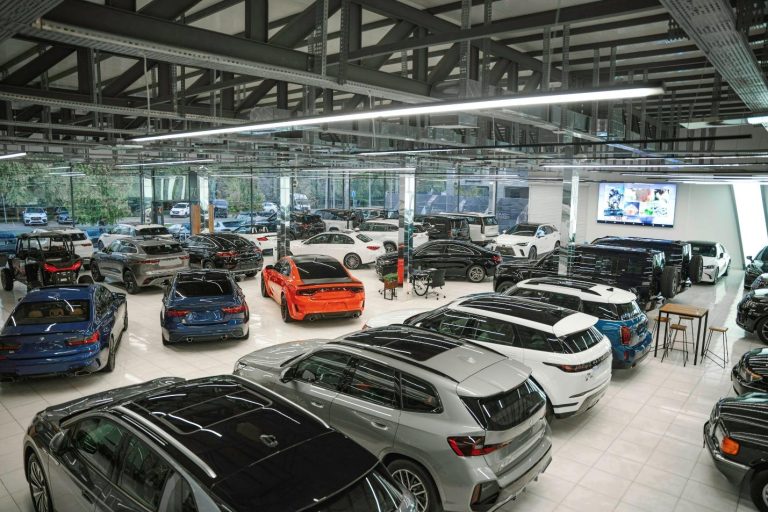
A quick lap around the block rarely tells you how a vehicle will live with you tomorrow, next month, or three winters from now. A purposeful test drive reveals how the engine, transmission, suspension, brakes, and in-cabin tech behave in the same conditions you face every day. This guide lays out a practical, 45-minute approach you can use at any dealership to evaluate real-world drivability, not just curb appeal. It covers route planning, powertrain and chassis checks, driver-assistance behavior, and space for cargo and car seats so that you can separate a great first impression from a great long-term fit.
1. Plan a Route That Mirrors Your Daily Driving
Ask to start with a cold engine when possible, then build a loop that includes stop-and-go streets, a highway on-ramp for full-throttle merging, and rough pavement or speed bumps to check suspension compliance. If you commute up a steep driveway, find an equivalent grade and see how the parking brake holds and how the transmission creeps from a standstill. Use a few minutes in the lot to adjust the seat height, lumbar support, mirrors, and steering tilt or telescoping column, and confirm sightlines around thick roof pillars and the rear headrests.
Before you arrive, review online inventory at a Dodge dealership car dealership to confirm the exact trim and powertrain you want to sample. Bring the people and gear that define your days: a rear-facing car seat and stroller, a set of golf clubs, or a dog crate. Load and unload them in the lot to test lift-over height, cargo floor length, and whether a 60/40 or 40/20/40 split fold truly helps. Scheduling your drive for both daylight and a darker hour, if possible, lets you check headlight aim and glare on the infotainment screen.
2. Powertrain Checks: Engine, Transmission, and Brakes
Engines and transmissions define personality. From a familiar Pentastar V6 to a HEMI V8 or a smaller turbocharged four, listen for idle smoothness, then the throttle tip-in as you roll off a stop. On a safe straight, go from 30 to 60 mph and note how the automatic shifts under moderate throttle, and again with a deeper kickdown. If the model offers drive modes such as Eco and Sport or manual control through paddle shifters, try each to feel changes in shift timing and throttle response. A common mistake is never exceeding city speeds; a short highway merge can expose hesitation that low-speed loops hide.
On a quiet, empty lot, make a few firm stops from 25 to 35 mph to feel brake pedal linearity and how quickly the vehicle settles. A spongy pedal or pronounced pull could indicate maintenance needs on a used example. On your loop, release the wheel lightly to see if it tracks straight, then make a medium-speed lane change to gauge body roll and steering response. If you feel vibration at speed, ask about wheel balance or tire condition, and remember that aggressive tread or uneven wear can mask problems until you hit the freeway.
3. Ride, Handling, and Wheel Tire Tradeoffs
Wheel and tire choices change the ride: a 20-inch wheel with a low-profile tire delivers sharp turn-in but often transmits more pothole impact and road roar than an 18-inch setup with taller sidewalls. Test the same stretch of broken pavement at 25 to 35 mph and listen to how noise builds from the rear wheel wells. If the model is All Wheel Drive, try a gravel or wet surface to feel traction pulling you out of a turn, then weigh the extra grip against added weight and typically lower fuel economy compared with rear- or front-wheel-drive versions.
Finish low-speed maneuvers that your week will demand. Creep into a tight parallel spot and judge camera resolution, parking sensor alerts, and whether the front bumper’s approach angle risks scraping on a steep curb. In a downtown garage scenario, circle a spiral ramp to test steering lock and visibility past concrete pillars. If you live where streets crown heavily, listen for underbody scrapes and check ground clearance at driveway aprons before you discover it the hard way.
4. Cabin Ergonomics and Everyday Tech
Pair your phone with the Uconnect system and run your normal routine: Apple CarPlay or Android Auto maps, a phone call, and a podcast. Try both wireless and wired connections if available, and verify you have the ports you need: USB-C port up front and USB-A charge ports in the second row. Spin physical knobs for volume and climate to confirm you can adjust them by feel with gloves on. Explore the driver display for tire pressure readouts, adaptive cruise settings, and a digital speedometer that is easy to read in bright sun.
Driver assistance features deserve their own mini test. Set adaptive cruise at highway speed and see how smoothly it follows and resumes; then the lane keep assist on a well-marked road to understand its nudges. Test blind spot monitoring with a car in your adjacent lane, and back out of a parking space to feel how rear cross traffic alert behaves. These aids can reduce fatigue but are not autopilot; if alerts feel too chatty or too subtle, check settings menus to tailor sensitivity. Also, confirm the backup camera stays crisp in low light and that heated mirrors clear quickly in damp conditions.
5. Cargo, Car Seats, and Real Tasks Beyond the Spec Sheet
Specs never tell the full story of usable space. Install a child seat using the LATCH anchors and top tether to see if the tether path is easy to access and whether the front seat still slides back enough for a tall driver. Load a bulky stroller to check cargo opening height and whether a load floor panel can drop lower. If you plan weekend towing, look for an integrated trailer brake controller, a 2-inch hitch receiver, and 4-pin wiring; then ask which axle ratio comes with the towing package, since shorter gearing helps launch a boat but usually raises cruise rpm and fuel use.
Picture two realistic days. Day one is a carpool: three across in the second row, backpacks on the floor, and the dog behind a cargo barrier. Can the second-row bench recline a notch to reduce driver knee kicks, and do rear vents keep everyone cool? Day two is errands on narrow streets: fold part of the second row and carry a flat box without blocking the mirror, then use the surround view camera to slip into a curbside space without curbing those wheels. If these small tasks feel fussy now, they rarely improve after a month of ownership.
After the Drive: Paperwork and Smart Next Steps
Back at the lot, read the Monroney window sticker line by line. Separate MSRP, destination charge, and factory options from dealer-installed accessories like wheel locks, tint, or nitrogen fill. Confirm the VIN matches the vehicle you drove, and compare fuel economy ratings and tire sizes listed on the label to what is actually mounted. If you are considering used, review service records and a vehicle history report, and confirm that safety recalls are closed. Ask for an out-the-door number that includes tax, title, registration, and any documentation fees so you can compare apples to apples later.
If you still have questions, request a second drive in a different trim, or schedule an extended route that adds nighttime driving or a gravel lane. For pre-owned vehicles, arrange an independent pre-purchase inspection to evaluate brake pad thickness, tire age, and underbody corrosion that a quick look can miss. Sleep on your notes, then revisit your nonnegotiables: seating position, transmission behavior in traffic, the way adaptive cruise eases your commute, and whether cargo and car seat tasks feel simple. That focus turns a pleasant spin into a confident decision you will appreciate every morning.