

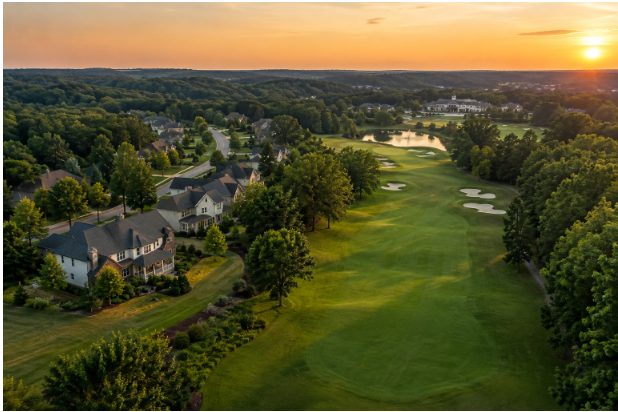
Choosing a Wake Forest home is about more than bedrooms, finishes, and list price. A household that wants weekend golf, quiet wooded surroundings, nearby trails, or an easy walk to local shops may arrive at very different conclusions after touring the same area. For buyers evaluating golf-oriented options, Hasentree homes for sale in Wake Forest, NC, can provide a useful reference point. Gorman Residential is a Wake Forest-based residential real estate team with a community page focused on Hasentree listings, lot positions, and the considerations involved in buying or selling there, making it a locally relevant resource for comparing Northern Wake County lifestyle communities.
Why Lifestyle Comparison Matters in Wake Forest
Wake Forest offers a mix of established neighborhoods, newer planned communities, golf settings, areas near outdoor recreation, and locations closer to downtown services. Two homes with similar square footage can deliver very different daily experiences based on their street, lot, road access, amenities, and surrounding development.
Neighborhood names are only a starting point. Buyers should also review the Town of Wake Forest's community planning information when they want to understand land-use planning and future growth discussions that may affect an area. That research is especially useful when views, traffic patterns, or nearby construction influence a purchase decision.
Start With the Way You Plan to Live
Before opening listing alerts, think through a normal week. A strong match should make everyday routines easier, not simply provide amenities that look impressive in photographs.
- How often would you realistically use golf, a fitness center, a pool, trails, or lake access?
- Do you need a short drive to schools, groceries, medical care, or major roads?
- Would a larger, wooded lot justify more yard work and a longer trip for errands?
- Do you want a low-maintenance home, a private estate-style setting, or flexibility for future resale?
Compare Communities by Lifestyle Type
Golf-Centered Communities
Golf communities can appeal to buyers who value course views, club dining, social gatherings, fitness facilities, and a defined neighborhood identity. Still, access to a course or club is not always included with HOA membership. Ask whether initiation fees, monthly dues, dining minimums, guest policies, and membership availability apply.
A golf-facing lot also deserves close inspection. A view of a fairway, pond, green, or wooded buffer can affect privacy and appeal differently. Visit at several times of day, consider the golfer and maintenance activity, and confirm whether the outdoor space feels as private as it appears online.
Lake and Outdoor-Oriented Communities
Buyers who prioritize paddling, fishing, hiking, parks, and natural scenery should separate "near the lake" from convenient recreational access. The official information for Falls Lake State Recreation Area can help households identify recreation opportunities and plan visits to access areas before they commit to a location.
Check the actual drive from a prospective home to the trailhead, boat launch, or park entrance you expect to use. Also ask about flood zones, stormwater flow, drainage features, tree care, insurance, and the maintenance demands of a heavily wooded lot.
Walkable and Mixed-Use Communities
Walkable settings may place shops, restaurants, parks, sidewalks, and gathering spaces closer to home. The trade-off can include smaller lots, denser construction, less backyard privacy, and more activity near main streets. A route that seems walkable on a map may feel less practical because of heat, hills, road crossings, sidewalk gaps, or distance.
Test the routes that matter most, such as the walk to coffee, a park, school, or neighborhood amenity. Try them on a weekday and a weekend, then decide whether convenience outweighs the added activity.
Build a Complete Housing Cost Comparison
Purchase price alone does not show the full cost of a community. Create a monthly and annual estimate for each finalist that includes:
- Mortgage payment, estimated property taxes, and homeowner's insurance.
- HOA dues, annual assessments, and any transfer or capital contribution fees.
- Separate club, golf, pool, or fitness membership costs.
- Lawn care, landscaping, irrigation, pool service, and exterior upkeep.
- Potential repair needs for an older home, larger lot, retaining wall, or mature trees.
- A reserve for insurance increases, special assessments, and unexpected maintenance.
Evaluate the Home Site, Not Just the House
A well-designed home can still be the wrong fit if the lot creates daily frustration. During each tour, note the afternoon sun, neighboring sightlines, road noise, gate traffic, slopes, drainage patterns, backyard usability, and the distance to pools, mail areas, or club facilities. Consider where guests will park and how easily you can use patios, gardens, play areas, or pet spaces.
Use a Simple Community Scorecard
Rate each community from one to five in the following categories, then write a short explanation for every score:
- Daily convenience: Can you reach errands, services, work, and schools comfortably?
- Outdoor access: Will your household regularly use the golf, trails, parks, or lake amenities?
- Total cost: Do all recurring fees and maintenance needs fit the budget?
- Privacy: Does the home site provide the desired quiet and personal space?
- Resale flexibility: Could the property appeal to more than one type of future buyer?
- Future changes: Could nearby development alter traffic, noise, or views?
Questions to Ask Before Making an Offer
- Which fees are required, and which amenities are optional?
- What rules affect renovations, rentals, pets, fencing, parking, and exterior changes?
- How does the commute feel during peak weekday traffic?
- Are there drainage, landscaping, or tree-maintenance responsibilities unique to this lot?
- What development, road, or zoning activity should be reviewed nearby?
- Would the property remain comfortable if taxes, insurance, or dues increase?
Make the Choice Around Your Routine
The right Wake Forest community is not necessarily the one with the longest amenity list. It is the one that supports your budget, commute, outdoor interests, privacy preferences, and likely future needs. Compare several communities, visit at different times, review governing documents independently, and let the full day-to-day picture guide the decision.











2 thoughts on “How To Compare Golf, Lake, And Walkable Communities In Wake Forest, NC”
Comments are closed.