After an unexpected injury in North Liberty, Iowa, people often have immediate questions about medical bills, insurance calls, missed work, and what to do next. Whether the incident occurred on a busy road, in a store, at work, or on someone else’s property, a practical response begins with protecting your health and preserving accurate information.
For people seeking local legal guidance, Ball, Kirk & Holm, P.C. can be a starting point for discussing the facts of an Iowa injury claim. Every situation is different, so it is important to avoid assumptions about responsibility, available coverage, or the value of a claim.
What should I do first after an injury?
Medical needs come first. Seek appropriate emergency or follow-up care, follow discharge instructions, and tell providers about symptoms that develop or worsen. If it is safe to do so, write down the date, time, location, people involved, and a factual account of what happened. Short notes made soon after an event can be more reliable than trying to reconstruct details weeks later.
For a vehicle collision, retain the incident number and information exchanged at the scene. Iowa drivers can use the Iowa DOT process for requesting accident reports when a report is available. Do not alter photos, messages, or documents that could help establish a timeline.
Which medical records should I save?
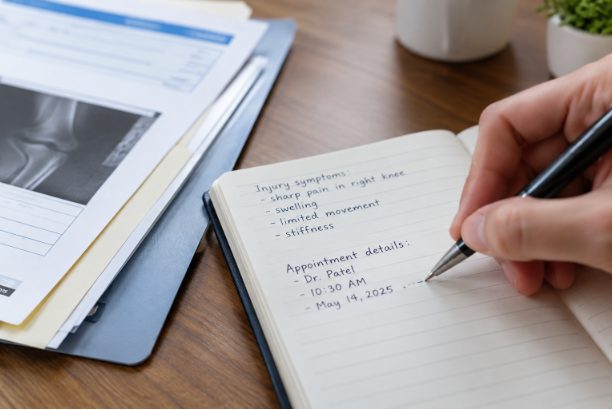
Create one secure folder, either physical or digital, for emergency-room paperwork, imaging results, prescriptions, referrals, therapy notes, appointment summaries, medical bills, and insurance explanations of benefits. The CDC recommends keeping copies of medical and insurance paperwork available, which supports a useful habit during a lengthy recovery.
A practical folder system
- Emergency care and urgent care visits
- Primary care and specialist appointments
- Physical therapy, rehabilitation, and prescriptions
- Medical bills, insurance letters, and payment records
- Work notes and disability-related documents
A daily symptom log can also be useful. Record pain location and intensity, sleep problems, medication effects, mobility limits, headaches, dizziness, and activities that become difficult. Use plain, accurate language rather than trying to diagnose the condition yourself.
What evidence may be helpful?
Evidence depends on the circumstances, but useful materials often include photographs of injuries, property damage, hazardous conditions, or the surrounding area. Keep copies of police or incident reports, names and contact information for witnesses, relevant emails and texts, and photographs showing visible injuries over time.
North Liberty weather can bring rain, ice, snow, and changing pavement conditions during different parts of the year. If a fall or crash involves a condition that may quickly change, photographs and factual notes about lighting, surface conditions, warning signs, and footwear can preserve details that may not be visible later.
Can I track missed work and other expenses?
Yes. Injury-related costs may extend beyond hospital bills. Keep receipts and records for prescriptions, transportation to appointments, parking, mobility equipment, household assistance, childcare, and other necessary out-of-pocket expenses. If work is missed, save pay stubs, schedules, employer communications, and documentation of reduced hours or missed shifts.
Use a simple expense log
- Date of the cost or income loss
- Description of the expense or missed work
- Amount paid or income not received
- Receipt, invoice, or other supporting document
- A brief note explaining why the expense was related to the injury
How should I handle insurance communications?
Keep a communication log for every call, email, letter, or online message. Include the date, the representative’s name, the claim number, the documents requested, and any promised follow-up date. Provide truthful information, but avoid guessing about facts you do not know or making broad statements about medical recovery before treatment is complete.
Read releases, recorded-statement requests, settlement offers, and other documents carefully. A settlement can affect the ability to seek additional payment later, so understanding the terms before signing is important.
Why document changes at home?
An injury can affect ordinary routines long after the initial appointment. Make factual notes about tasks that now require assistance, such as driving, lifting, cooking, cleaning, caring for children, or attending work. Record changes in sleep, mobility, independence, and family responsibilities without exaggeration. An honest account can help explain how the injury affects day-to-day life.
Are there deadlines for Iowa personal injury claims?
Deadlines matter. Many Iowa personal injury claims are subject to a two-year filing period, but the applicable rule may vary depending on the nature of the claim and the parties involved. Claims involving government entities, workplace injuries, minors, medical care, or other special circumstances may have different requirements. Confirm the relevant deadline promptly with a qualified professional or the appropriate agency.
What is a simple weekly checklist?
- Save new medical records, bills, and receipts.
- Update the symptom and activity log.
- Record missed work, reduced hours, and related communications.
- Write down insurance contacts and requested documents.
- Back up digital files and protect private medical information.
- Review upcoming appointments, treatment instructions, and deadlines.
Organized records cannot undo an injury, but they can reduce confusion during recovery. For North Liberty residents, a clear timeline of treatment, expenses, symptoms, and communications can make it easier to address practical questions while focusing on health and stability.