

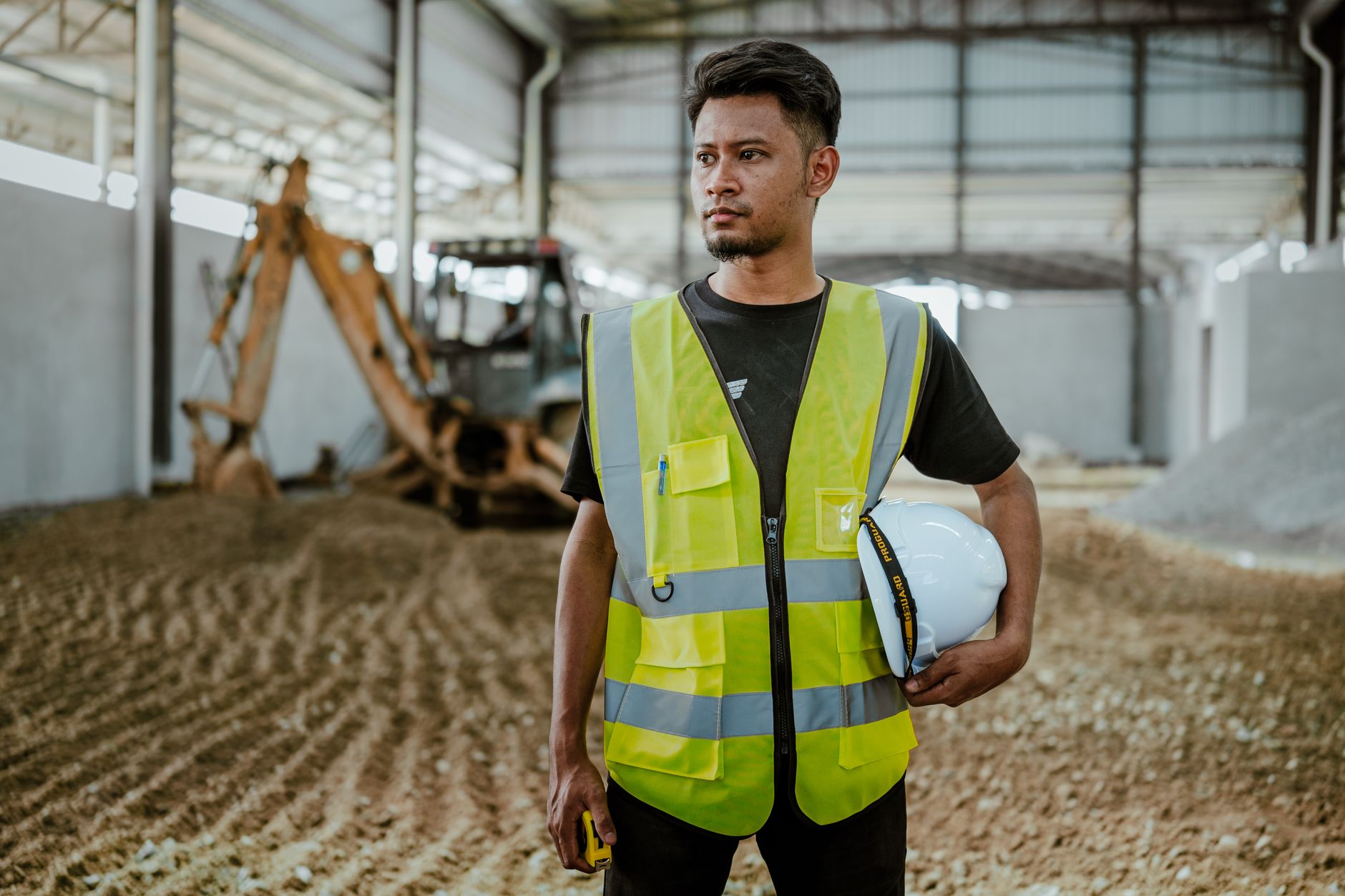
Construction projects don’t fail because of a single bad decision. More often, they unravel through poor coordination, such as a delivery that clashes with another trade, a change nobody flagged, or a task nobody owned. This is exactly the gap a skilled project manager exists to close.
-
Keeping complex construction projects on track
As a project moves from planning through to completion, a project manager coordinates the programme, resources, contractors and shifting priorities so that different stages of work fit together instead of colliding. As CIOB notes, this role connects design teams, contractors, suppliers and the workforce toward one shared goal, keeping a busy site running efficiently and avoiding the costly delays that come from work being poorly sequenced.
-
Coordinating people and responsibilities on site
When numerous contractors, subcontractors and workers are involved, clarity over who is doing what and when becomes essential. Effective project management helps different parties understand their responsibilities and how their work depends on others, including coordinating plaster work alongside other tasks such as first-fix electrics or partition framing, so that trades aren't left waiting on each other or working out of sequence. This organisational role is distinct from the statutory duties held by duty holders such as the principal contractor under CDM 2015; good project management supports those responsibilities rather than replacing them.
-
Supporting effective health and safety management
A well-run project also supports safer construction work through clear planning, communication and ongoing monitoring of how activities on site interact. As Safety Clarity explains, coordination between contractors is fundamental to preventing site accidents, since ensuring everyone understands what others are doing and what risks that might create sits at the heart of safe site management. A project manager's contribution here is organisational, helping information flow and priorities stay visible, instead of assuming the formal CDM responsibilities that remain with the appointed dutyholders.
-
Balancing time, cost, quality and long-term value
Good construction project management is about more than hitting a completion date. Throughout delivery, a project manager needs to keep sight of cost, quality and the project's wider objectives simultaneously, since prioritising one at the expense of the others usually creates problems further down the line. Genuine value comes from balancing all three consistently, not from finishing fast at the cost of rework or holding costs down while quality slips.
A construction project rarely succeeds because of any single trade or task; it succeeds because someone is keeping the whole picture in view. That's the role a good project manager plays: connecting people, priorities and information so the project moves forward as one coordinated effort, rather than a series of disconnected tasks. This becomes even more important as projects grow in scale and complexity, with more trades, tighter programmes and greater regulatory scrutiny than ever before. Investing in strong project management early on isn't an added cost; it's what protects the budget, timeline and quality of everything that follows.











1 thought on “Why project managers are a crucial aspect of construction teams”
Comments are closed.