

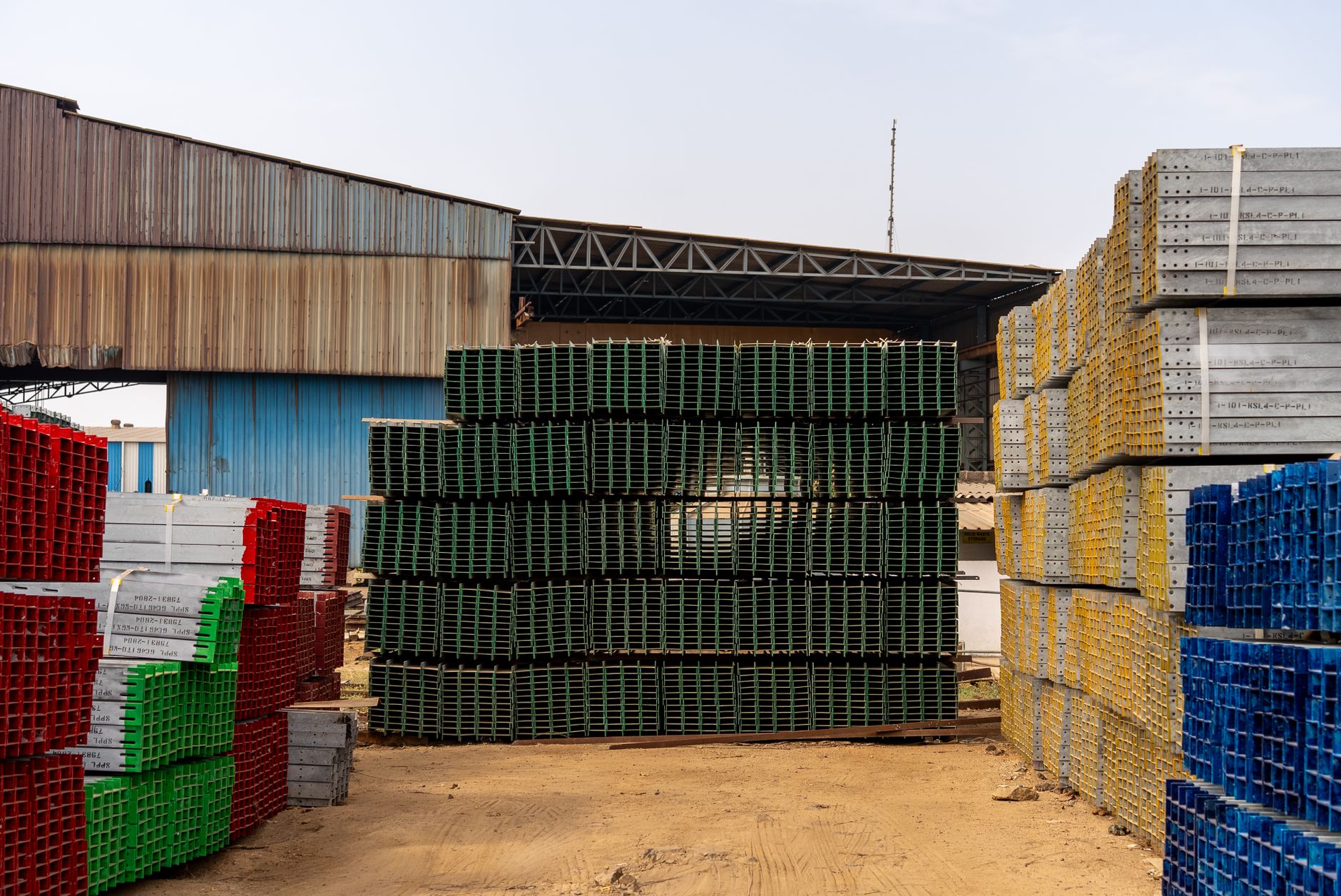
In the world of construction, a material that looks like a bargain during procurement can quickly become expensive if it causes installation problems, requires frequent maintenance, or fails to deliver the performance the building needs. Making the right choices early can therefore have a lasting impact on everything from project profitability to the quality of the finished building.
Look Beyond the Initial Material Price
Cost will always influence material selection, particularly when construction budgets are under pressure. However, the cheapest available option isn't necessarily the most economical over the life of a building.
Durability, installation requirements, maintenance, energy performance, and expected service life all deserve consideration. A more expensive product might be quicker to install, require fewer replacements, or deliver better performance over time, ultimately providing greater value than a cheaper alternative.
Contractors also need to think about how materials interact. Choosing individual products purely on price can introduce compatibility problems or compromise the performance of an entire system. Reviewing specifications carefully before ordering can help prevent expensive surprises once construction begins.
Factor Supply Conditions into Your Decisions
Material availability can be just as important as price. Construction supply chains are influenced by everything from manufacturing capacity and transport costs to international trade policies and tariffs, making procurement an increasingly important part of project planning.
Recent construction material pricing trends highlight the pressures facing contractors, particularly around metals, fuel, and imported products. These fluctuations can affect project margins and make accurate forecasting more difficult.
Understanding where materials come from, how long delivery might take, and whether suitable alternatives are available can help contractors manage these risks. Establishing relationships with reliable suppliers and identifying potential substitutions before they're urgently needed can also prevent delays when a particular product becomes difficult to obtain.
Match Interior Materials to Building Performance
Interior materials have a significant influence on how a completed building feels and functions. Offices, healthcare facilities, schools, and residential developments all have different requirements, and the most attractive finish won't necessarily be the most appropriate one.
Acoustics are a particularly useful example. In busy offices or educational settings, choosing the right acoustic wall materials can help control reverberation and improve the overall comfort of a space. Fire performance, durability, maintenance, and compatibility with the surrounding construction also need to be considered.
Indoor air quality matters too. Paints, adhesives, flooring, and other finishes can release volatile organic compounds, making low-emission options worth evaluating where appropriate. Contractors should consider the finished environment and how people will actually use it, rather than concentrating exclusively on appearance.
Better Decisions Lead to Better Buildings
Material selection ultimately affects far more than the appearance of a completed project. It influences costs, construction schedules, maintenance requirements, occupant comfort, and the building's long-term performance.
For contractors, the most effective approach is to treat procurement as part of the wider construction strategy. Understanding the building's requirements, questioning apparent savings, and working closely with designers and suppliers can help avoid costly mistakes.
With construction businesses facing pressure to deliver quality while controlling expenses, choosing materials thoughtfully is one of the most practical ways to protect profitability and produce buildings that continue performing well long after the contractors have left the site.










2 thoughts on “Why Choosing the Right Construction Materials Matters More Than Ever”
Comments are closed.