Dr. Jennifer Bath is a biotechnology executive and scientist whose work spans AI-driven therapeutic discovery, vaccine research, and global health strategy. As president and CEO of ImmunoPrecise Antibodies in Austin, Texas, Dr. Jennifer Bath oversees corporate strategy, international acquisitions, and the development of biotherapeutic and analytical solutions designed to accelerate innovation. Her academic background includes a PhD in cellular and molecular biology, with research focused on tropical diseases and vaccines, particularly those affecting children and vulnerable populations in developing regions. She has also served in academic and scientific leadership roles, including as an associate professor and principal investigator studying host cell response immunomodulation in chronic infections. That experience connects directly to the broader challenge of bringing treatments, vaccines, and other medical interventions to remote communities where disease burden is often highest and access to care remains limited.
Bringing Treatments to Remote Communities
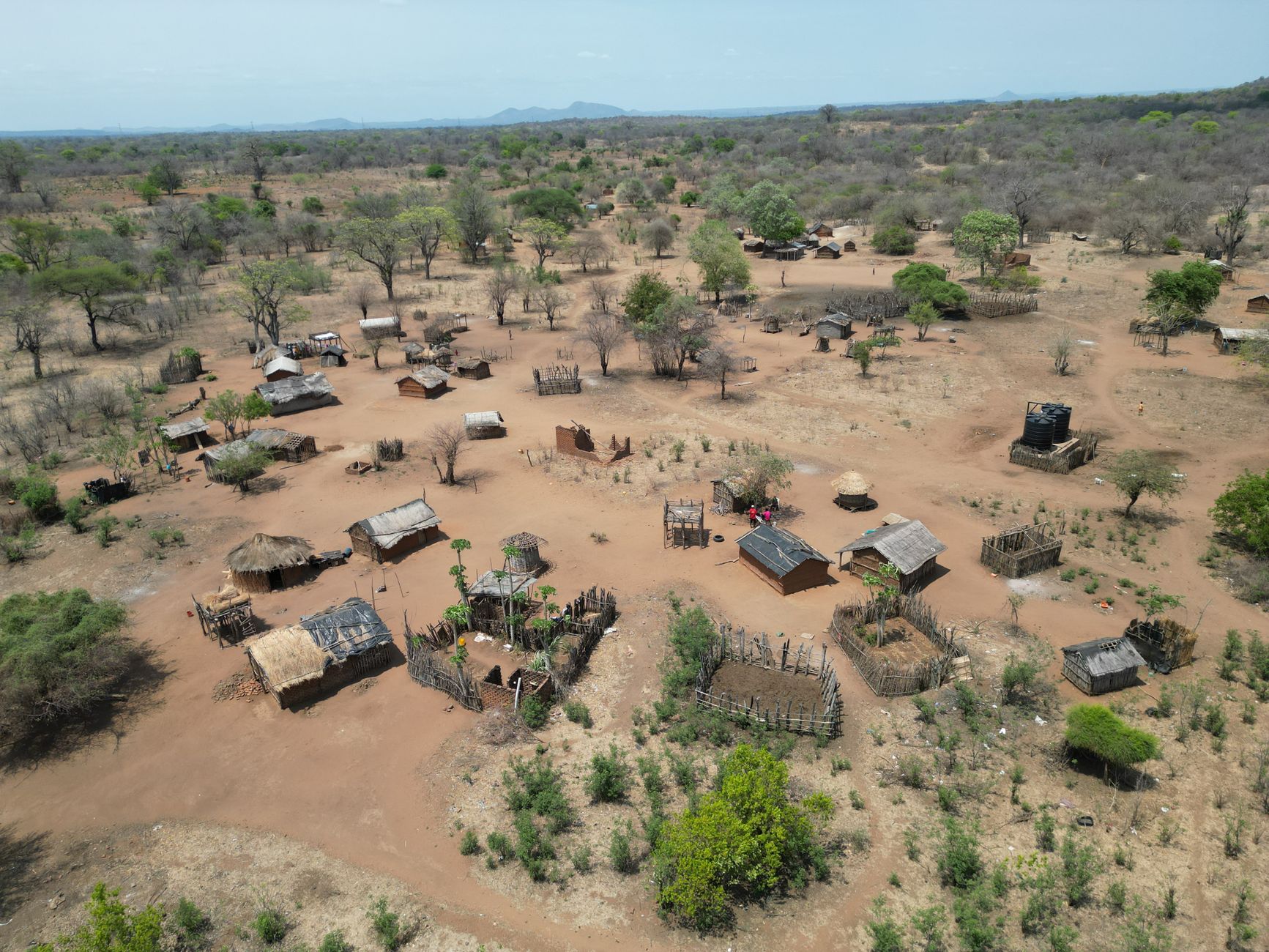
In many parts of the world, the hardest step in fighting disease is not discovering a cure but delivering it. For millions of people living in remote villages, dense forests, desert settlements, or island communities, lifesaving drugs and vaccines remain frustratingly out of reach. Neglected tropical diseases, such as river blindness, lymphatic filariasis, and sleeping sickness, disproportionately affect these regions, where health systems are thin, roads may be unreliable or nonexistent, and poverty amplifies each obstacle. Closing this gap is one of the most pressing and complex challenges in global health.
Logistics is the first challenge. Vaccines often require strict temperature control from factory to patient, a journey known as the “cold chain.” In urban hospitals, refrigeration is taken for granted. In rural clinics without stable electricity, it is not. Health workers may travel hours by motorcycle over muddy tracks, by boat across flooded plains, or on foot through mountainous terrain carrying insulated containers packed with ice. Seasonal rains can wash out bridges; conflict can cut off entire districts. Even when shipments arrive at a national port on time, getting them safely into a child’s arms in a distant village is an entirely different feat.
Infrastructure is only part of the story. Social dynamics matter just as much. In some communities, historical neglect or exploitation has fostered deep mistrust of outside authorities. Rumors about vaccines causing infertility or illness can spread quickly, especially where access to reliable information is limited. Health campaigns that fail to engage local leaders, faith groups, and traditional healers may falter despite good intentions.
Organizations like the World Health Organization and Médecins Sans Frontières (Doctors Without Borders) have learned that community partnership is central to success. Recruiting and training local health workers (people who speak the language, understand the customs, and are trusted by their neighbors) often makes the difference between acceptance and resistance.
Scientific challenges add another layer of complexity. Neglected tropical diseases frequently thrive in environments where sanitation is poor and health services are sparse. Some require repeated rounds of treatment over years to interrupt transmission. Others, like certain parasitic infections, demand medicines that are safe to administer on a large scale with minimal medical supervision.
Yet innovation is steadily reshaping what is possible. Solar-powered refrigerators now keep vaccines cold in off-grid clinics. Drones have been deployed in several countries to ferry blood products and vaccines over impassable terrain in a fraction of the time ground transport would require. In Rwanda, for example, a national drone delivery service operated by the company Zipline has been routinely flying autonomous aircraft to deliver units of blood and other life-saving medical supplies to remote clinics in about 30 minutes. By road, this same journey would take several hours.
Pharmaceutical companies, working with partnerships such as Gavi, the Vaccine Alliance, have expanded advance purchase agreements that lower costs and ensure a steady supply for low-income countries. Meanwhile, mobile phone technology allows health ministries to track inventory in real time, reducing stockouts and forecasting demand more accurately.
Mass drug administration campaigns offer another promising model. By distributing safe, single-dose treatments to entire at-risk populations once or twice a year, health authorities can dramatically reduce disease prevalence without needing complex diagnostics for each individual. These campaigns rely on meticulous planning, mapping villages, training volunteers, and coordinating transport. When executed well, they have pushed some diseases to the brink of elimination.
About Dr. Jennifer Bath
Dr. Jennifer Bath is the president and CEO of ImmunoPrecise Antibodies, an AI-driven biotherapeutics company based in Austin, Texas. She holds a PhD in cellular and molecular biology and has focused her research on tropical diseases and vaccines affecting vulnerable populations. Her background includes academic leadership, scientific research, and executive oversight in biotechnology, including roles at Aldevron, CC Global Vaccine Institute, Talem Biologics, and BioStrand, where she serves as chairman of the board.