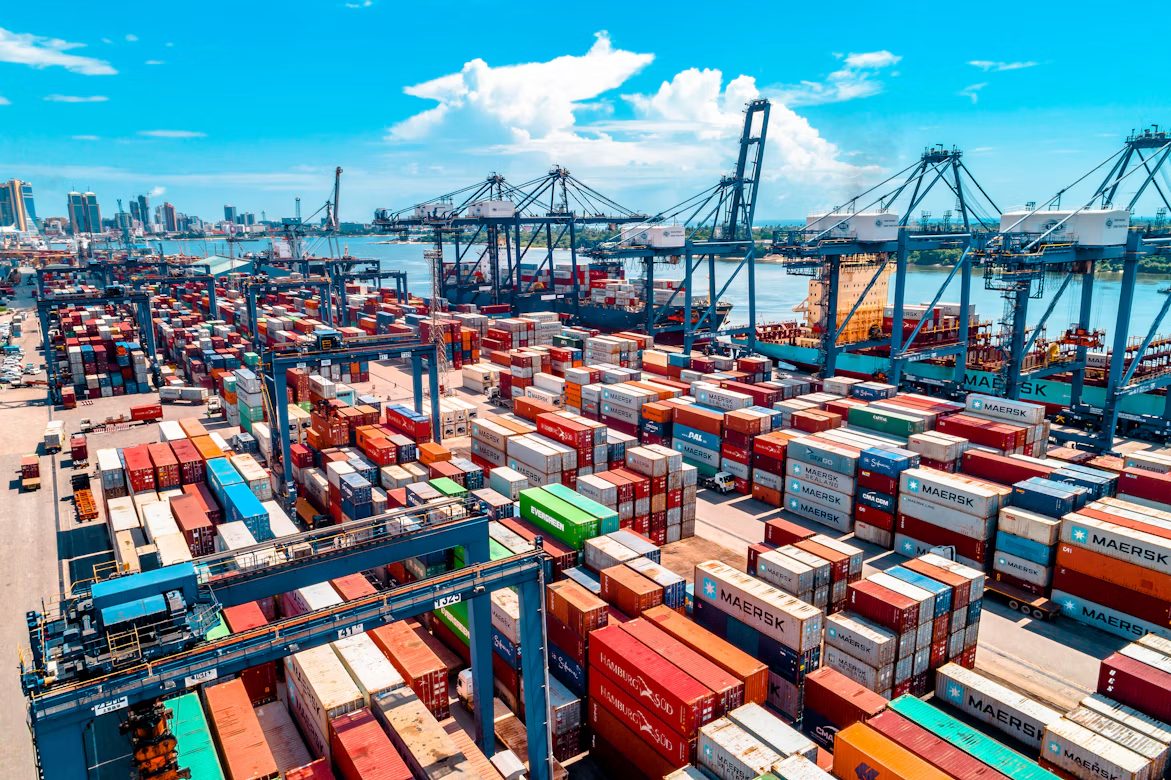
A product can sell out on a Monday launch and still lose money by Friday if the warehouse sending it out sits an ocean away from the people buying it. That gap between where inventory lives and where customers actually are is the real decision behind most fulfillment contracts, not the software demo or the sales call.
The six companies below approach that problem differently. Some specialize by region, some by product weight and some by the type of brand they're built to serve. Here's how they stack up.
Best for Multi-Market Growth and Order Visibility – J&J Global Fulfilment
J&J Global Fulfilment is built around one core idea: online stores grow faster when their stock sits closer to the customer buying it. This eCommerce and multichannel 3PL provider was formerly known as James & James Fulfilment and is now part of the QLS Group.
It spreads inventory across 12 fulfilment centres in five regions, covering the United Kingdom, Europe, the United States, Canada and Australia, which is the mechanism behind shorter delivery windows once a brand stops shipping everything from a single country. That network has carried a reported 47+ million orders all time, including 9.3 million last year, for a client base of 400+ global brands.
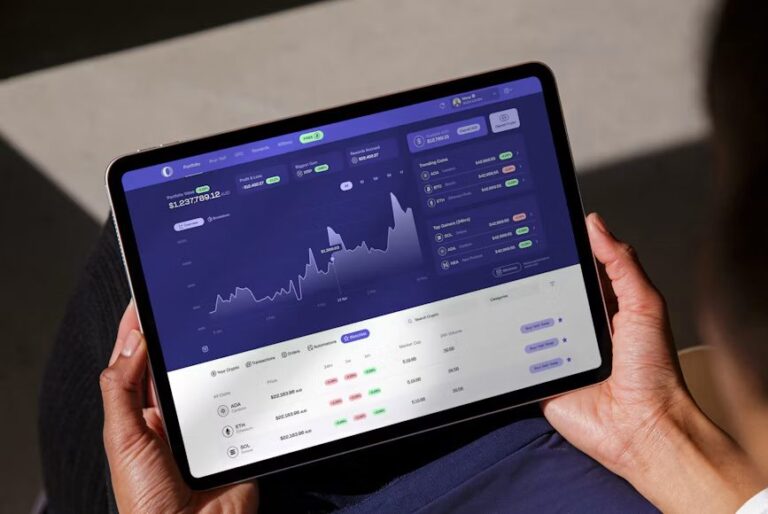
Its award-winning ControlPort software gives an operations team live order tracking, SLA reporting, inventory insights and a custom API, with a separate ViewPort module for returns visibility, so a growing brand isn't guessing where an order or a refund actually stands. For a brand still deciding which market to enter next, the company also runs a growth consultancy called Navigator, walking through warehousing, import and export rules, taxation, technology, payment methods and carrier choice before any stock moves. Brands weighing how resilient their fulfillment setup needs to be before scaling internationally might find this guide to building a resilient fulfillment operation a useful companion read.
Best for Family-Owned Custom Warehousing – Buske Logistics
Buske Logistics has been in business since 1923, which makes it one of the longest-running names in this space. It's family-owned, which shows up in how the company talks about its work: custom 3PL warehousing and fulfillment solutions built around the client rather than a fixed template.
Its footprint covers the U.S. and Canada and it's positioned as a top 20 private 3PL warehousing and fulfillment company. That private, custom-built approach suits a business that wants a warehousing partner it can actually negotiate terms with, rather than a one-size-fits-all contract. The trade-off is that its reach stops at North America, so a brand planning to stock inventory in Europe or Australia will need a separate partner for that side of the business.
Best for Heavy and Big Products – Red Stag Fulfillment
Red Stag Fulfillment caters to products that don't fit the standard fulfillment mold: anything bigger than a toaster or heavier than 10 pounds. That's a specific, named niche and it shows in the features: big and heavy shipping discounts, one operation covering parcel, pallet, returns and kitting across direct-to-consumer, retail and Amazon and a guarantee of zero shrink, zero mispicks and zero late shipments.
It also runs enterprise-grade technology with real-time dashboards, serial number capture and lot tracking, plus U.S.-based client success and onboarding staff. The catch is that specialization: a brand selling small, lightweight items probably won't see the same value here as one shipping furniture, fitness equipment, or anything else that strains a standard parcel network.
Best for China-Based Production and Global Shipping – Portless
Portless addresses the lag between a product finishing manufacturing in China and actually reaching a customer overseas. Its fulfillment centers sit near manufacturers in China and it reports cutting inventory lead times by 90% and improving cash flow 3x for the brands that use it.
It also runs a global 3PL network reaching 85+ countries, which gives the model reach beyond just China-based fulfillment. The trade-off is built into the premise, though: a brand that manufactures domestically or doesn't need to compress that production-to-shipping lag won't get the same benefit from a model designed specifically around Chinese manufacturing proximity.
Best for Texas-Based Same-Day Shipping – Thrive 3PL
Thrive 3PL runs its operation out of Houston and is ranked among the top 3PL companies in Texas. It works with 150+ brands and reports same-day shipping with 99%+ accuracy, which is a strong pitch for a business that wants orders out the door fast and wants a regional partner it can reach easily.
That regional identity is also the limitation. A single-hub, Texas-centered operation is a different proposition than a multi-region network, so a brand planning to stock inventory across several countries at once will likely need to look elsewhere for that part of its strategy.
Best for End-to-End Omnichannel Fulfillment – ShipBob
ShipBob positions itself as an end-to-end global fulfillment provider, covering everything from inventory distribution across U.S. regions with automated replenishment to picking, packing, shipping and returns. It offers 2-day shipping across the continental U.S., customized unboxing experiences and warehouse management with real-time tracking and reorder alerts.
Moreover, it handles international and B2B fulfillment, which makes it a fit for a brand selling through more than one channel at once. The breadth here is real, but a brand chasing a narrower specialty, like oversized freight or a specific manufacturing region, may find a generalist platform like this covers less of that particular ground than a specialist would.
What Actually Separates These Networks
Most of the differences between these six come down to three questions: where is the inventory physically located, what size and type of product does the network handle best and how much visibility does the software give an operations team once an order is placed.
A regional specialist like Thrive 3PL or Buske Logistics makes sense when a brand's customers are concentrated in one country or continent. A niche player like Red Stag Fulfillment or Portless makes sense when the product itself, its weight or its manufacturing origin demands a different kind of warehouse network. A broader platform like ShipBob fits a brand selling across several channels that wants one system managing all of them.
Brands that are also rethinking their storage footprint as they expand might want to read this practical guide to renting warehouse storage space before signing anything long-term.
Picking Between a Regional Specialist and a Global Network
None of these six is the automatic right answer. A brand selling oversized furniture only within North America has little reason to pay for a five-region network it won't use. A brand manufacturing in China and shipping worldwide has little use for a Houston warehouse, however fast its same-day shipping runs.
But for a brand that's already selling in multiple countries, or plans to within the next year, the calculus shifts toward whichever partner can place stock in more than one region without forcing a separate contract for each one. That's where J&J Global Fulfilment's spread across 12 fulfilment centres in five regions, backed by a growth consultancy that walks through the regulatory and tax questions before stock moves, gives it an edge over single-region or single-niche providers on this list. For a brand asking "which market do I enter next and how do I actually get stock there," it's the one built to answer both halves of that question at once.