There is something comforting about ending a busy day with a good book. Away from work responsibilities, household chores, and constant digital notifications, reading offers an opportunity to slow down and become absorbed in a different world. However, the environment in which we read can make a considerable difference to how enjoyable that experience feels.
A thoughtfully designed reading corner provides more than somewhere to sit. It creates a personal retreat where lighting, furniture, colors, and small decorative details work together to establish a peaceful atmosphere. Whether positioned beside a bedroom window, tucked into a quiet living room corner, or arranged in a spare room, the space should reflect individual preferences.
Creating an inviting reading area does not require major renovations or expensive furniture. With a few carefully selected elements and attention to everyday comfort, almost any home can accommodate a welcoming place for relaxing evenings.
Turn Your Reading Corner Into an Evening Self-Care Retreat
A reading corner can become an important part of a relaxing evening routine, especially when it offers a clear transition between daily responsibilities and personal time. Rather than treating reading as another activity squeezed into a busy schedule, creating a dedicated space encourages people to slow down and enjoy familiar comforts.
This atmosphere can be enhanced by combining reading with simple personal care rituals. After cleansing and moisturizing, applying an eye cream can become part of a consistent evening skincare routine before settling into a favorite chair. Taking a few moments for personal care creates a pleasant transition into a quieter part of the day, allowing relaxation to begin before opening a book.
The surrounding details can reinforce this sense of comfort. A soft blanket, a small table for skincare essentials, and a convenient place to keep the current book help make the area feel personal and organized. The goal is to establish an enjoyable evening ritual that combines practical comfort with opportunities to disconnect.
When a space becomes associated with familiar, relaxing activities, returning to it can feel like a welcome part of the daily routine.
Choose Seating That Encourages Comfort
The most important piece of furniture in any reading corner is the chair. An attractive design may complement the room, but comfort should guide the final choice, especially for people who enjoy reading for extended periods.
A supportive armchair with a suitable seat depth and comfortable backrest provides a practical foundation. Some readers prefer chairs with high backs and padded armrests, while others appreciate compact lounge chairs that fit into smaller spaces. Adding a footstool can provide another comfortable seating option without requiring a larger piece of furniture.
Cushions and throws allow the space to feel softer and more inviting while introducing color and texture. These accessories can also be changed seasonally, creating a fresh appearance without replacing furniture.
The ideal arrangement allows readers to maintain a comfortable posture while keeping books and everyday essentials within easy reach.
Find the Right Lighting for Evening Reading
Lighting strongly influences the atmosphere and functionality of a reading corner. Although dim surroundings may appear relaxing, insufficient illumination can make printed text harder to see and create unnecessary visual discomfort.
A dedicated reading lamp provides more reliable lighting than depending entirely on ceiling fixtures. Adjustable floor lamps and compact table lamps allow readers to direct light toward the pages without illuminating the entire room.
Warm-toned lighting often creates a welcoming evening atmosphere, particularly when combined with softer background illumination. However, the light should remain bright enough for comfortable reading.
Positioning the lamp carefully also helps reduce unwanted shadows. Readers should consider whether they usually hold books in their laps, rest them on a cushion, or use an e-reader.
Combining practical task lighting with gentle ambient light creates a space that feels cozy while remaining suitable for regular use.
Use Colors and Textures to Establish a Peaceful Atmosphere
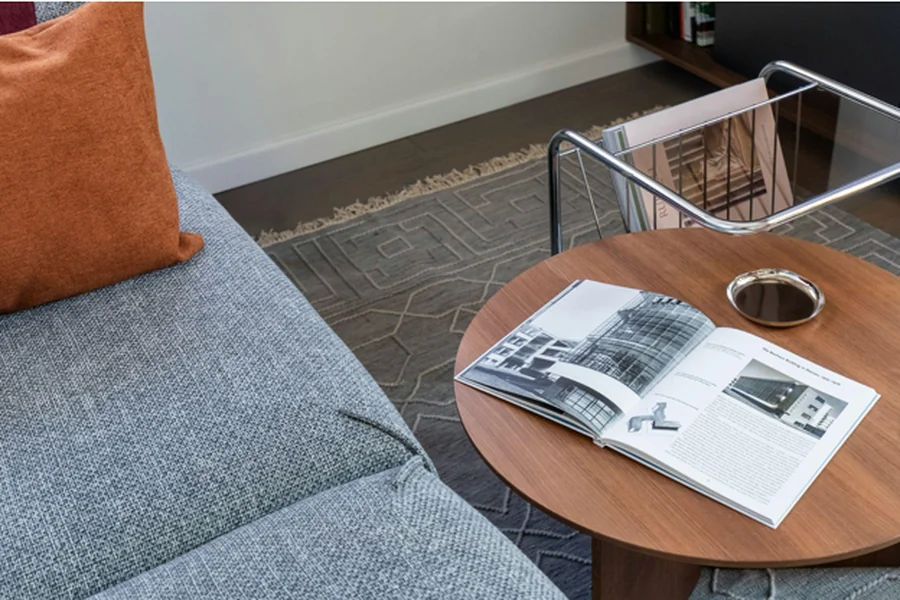
The visual appearance of a reading corner contributes significantly to how welcoming it feels. Calm, coordinated colors can help distinguish the area from busier parts of the home without requiring a completely separate room.
Neutral shades such as beige, cream, and soft gray provide a versatile foundation, while muted greens, blues, and earthy tones introduce additional personality. These colors work particularly well with natural materials, including wood, cotton, and linen.
Texture is equally important. Knitted blankets, upholstered furniture, soft rugs, and fabric cushions create visual depth while making the space feel comfortable.
Personal preferences should guide decorative choices rather than strict design rules. Someone who enjoys colorful interiors may prefer patterned cushions and distinctive artwork, while another reader might appreciate a simpler arrangement.
A cohesive selection of materials and accessories can make even a small corner feel thoughtfully designed.
Keep Books and Essentials Within Easy Reach
A reading corner becomes more enjoyable when everything needed for a comfortable evening is conveniently organized. Constantly leaving the chair to retrieve books, adjust lighting, or find a bookmark can interrupt an otherwise relaxing experience.
A small bookshelf provides storage for favorite titles and current reading selections. Floating shelves are particularly useful in compact spaces because they make use of vertical wall areas without occupying much floor space.
A nearby side table offers room for a drink, reading glasses, and other personal essentials. Decorative trays or small storage containers can help prevent the surface from becoming cluttered.
Readers who enjoy switching between physical books and digital devices may also appreciate access to a charging point.
The objective is not to surround the chair with unnecessary furniture but to create an arrangement that supports uninterrupted reading.
Thoughtful organization allows the space to remain functional while preserving its peaceful appearance.
Add Personal Details That Make the Space Your Own
The most memorable reading corners reflect the interests and personalities of the people who use them. Decorative accessories can make the area feel distinctive without requiring an elaborate interior design project.
Framed artwork, photographs, and meaningful objects introduce character while helping the space feel connected to the rest of the home. A small houseplant can also provide a natural decorative element, especially when the corner receives suitable daylight.
Some readers enjoy displaying favorite book covers or arranging collections around particular authors and genres. Others prefer minimal decoration so that the books themselves become the main visual feature.
Personal touches should complement rather than overwhelm the available space. Too many objects can make a small reading area feel crowded and difficult to maintain.
Selecting a few meaningful accessories creates a more relaxed environment while allowing the corner to develop naturally over time.
Make Reading a Regular Part of Your Evening Routine
A beautifully decorated reading corner becomes truly valuable when it supports a habit that brings everyday enjoyment. Establishing a regular reading time helps transform the space from an attractive feature into a practical personal retreat.
Some people prefer reading immediately after dinner, while others enjoy spending twenty or thirty minutes with a book before bedtime. Choosing a realistic time makes the routine easier to maintain alongside other responsibilities.
Keeping a book nearby and reducing unnecessary digital distractions can also encourage more consistent reading. Silencing notifications or leaving a phone outside the reading area helps create opportunities for uninterrupted attention.
The reading material itself should reflect personal interests. Fiction, biographies, travel writing, and other genres can all provide enjoyable experiences depending on individual preferences.
Ultimately, the perfect reading corner is not defined by expensive furniture or elaborate decoration. Its value comes from combining comfort, thoughtful organization, suitable lighting, and personal touches into a space that feels genuinely inviting.
By creating an environment that encourages regular moments of quiet enjoyment, homeowners can turn an ordinary corner into one of the most comforting places in the house.