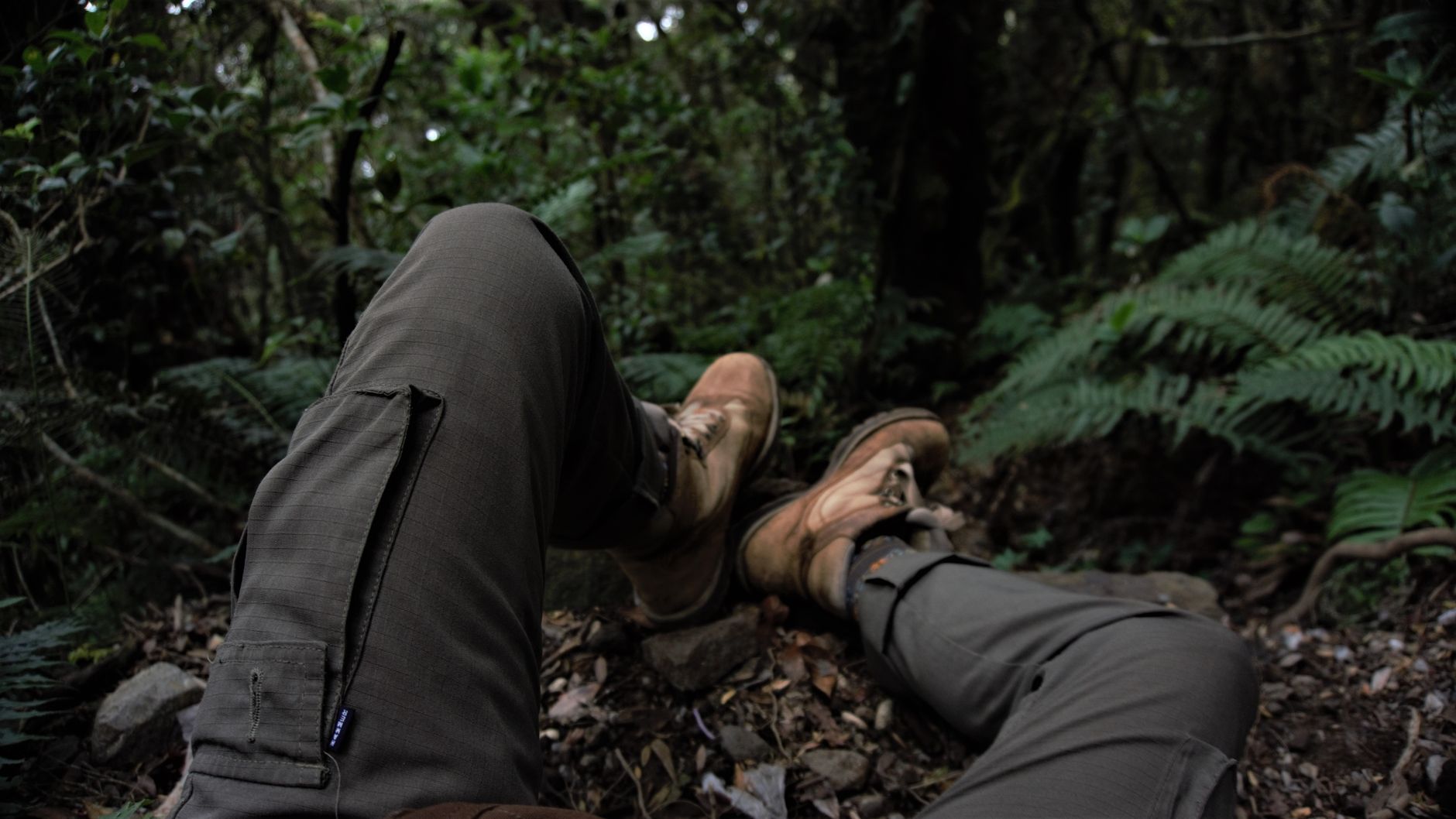
Most first-boot mistakes show up around mile three. A heel that slipped a little in the store starts to rub, and toes that felt fine on carpet hit the front of the boot on the first steep descent.
Your boots matter more than any other piece of gear, because they touch every step. The right pair also depends on where you hike. In the best places to hike in Colorado, for example, you can find dry red rock in April and snow on high trails into July. One boot rarely suits both.
This guide covers what to check, in order: fit, flex, terrain, materials, and break-in.
Boots, Mids, or Trail Shoes?
Before you try anything on, decide which type of footwear is best for your hiking. The table below compares the three main options.
|
Type |
Best For |
Trade-off |
|
Low hiking shoes or trail runners |
Dry, well-kept trails and day hikes |
Little ankle support; less protection from rocks |
|
Mid-cut hiking boots |
Mixed terrain and most beginners |
A little heavier and warmer |
|
Backpacking boots |
Rough ground and packs over 30 pounds |
Stiff, heavy, and slow to break in |
Weight matters more than most people think. A U.S. Army study found that weight carried on the feet costs about 4.7 to 6.3 times as much energy as the same weight carried on the torso. In the same study, boots raised energy cost by 5.9% to 10.2% compared with lighter shoes at most speeds. For most first-time hikers, a mid-cut boot is the best balance.
Fit: Get This Right First
When and How to Try Boots On
Your feet swell during the day. Podiatrist Lady Paula DeJesus, DPM, advises buying shoes at the end of the day, when your feet are at their largest. Feet also swell on long hikes, so an afternoon fitting better reflects trail conditions.
- Wear the socks you will hike in. Thick hiking socks can change your size by half a size.
- Measure both feet standing up. Most people have one foot slightly larger, so fit that one.
- Ask the store to measure your arch length (heel to ball of foot), not just total length. If the boot's flex point doesn't match the ball of your foot, it will crease in the wrong place.
The Four-Point Fit Check
Run this check on every pair, laced snugly.
- Length: with your foot slid forward, you should fit about one finger behind your heel. Laced up, you want a thumb's width in front of your longest toe.
- Heel: walk around. A tiny heel lift is normal in stiff new boots, but your heel should not slide up and down.
- Width: the ball of your foot should feel snug, with no pinching on the sides.
- Downhill: most stores have a small ramp. Walk down it. If your toes touch the front, try a longer size or a different shape.
Fit Problems You Can Fix in the Store
- Heel slip: try "heel lock" lacing through the top eyelets.
- Pressure on top of the foot: skip the eyelets over the sore spot ("window lacing").
- Arch pain: try a firmer aftermarket insole.
If a pair still hurts, try another brand. Each brand builds on its own foot shape, called a "last."
Flex: How Stiff Should Your Boots Be?
Flex is how easily the sole bends. To test it, hold the boot by the heel and the toe and bend it.
- Flexible soles feel comfortable right away and suit easy trails.
- Medium flex suits mixed terrain and light packs. Most beginners should start here.
- Stiff soles protect your feet on sharp rock and under heavy packs, and they work with crampons. On easy trails, they feel clumsy.
As a rule, the rougher the trail and the heavier your pack, the stiffer the sole should be.
Terrain: Match Your Boots to Where You Hike
Buy for the trails you hike most often, not a trip you might take someday.
Dry Dirt and Gravel
A light, breathable boot or shoe works well here. You don't need waterproofing.
Rocky and Steep Trails
Look for a stiffer sole, a rubber toe cap, and deep lugs (the tread knobs). A clear heel edge, often called a "heel brake," helps you grip on steep descents.
Wet, Muddy, or Snowy Trails
Choose a waterproof boot with a higher cuff and a gusseted tongue, sewn to the sides to keep out water and debris. For winter, check that it works with microspikes and gaiters.
Hot or Desert Trails
Breathable mesh matters more than waterproofing. A waterproof boot traps sweat, and once water comes in over the top, it takes a long time to dry. Damp skin blisters more easily.
Materials and Waterproofing
- Full-grain leather: durable and supportive, but heavy and slow to break in.
- Synthetic and mesh: light and quick to dry, with little break-in, but they wear out sooner.
- Waterproof membranes: keep rain and snow out, but your feet run warmer. Skip them for hot, dry hiking.
Socks are part of the system too. The American Academy of Podiatric Sports Medicine reports research by Herring and Richie showing that acrylic socks led to fewer and smaller blisters than cotton. Wool and synthetic socks are good choices. Avoid cotton.
Break-In Plan Before Your First Real Hike
Even boots that fit well need time to soften and shape to your feet.
- Week 1: wear them around the house and on short walks.
- Week 2: take them on a short, easy trail.
- Week 3: do a longer hike with your pack on.
Timing matters around the holidays. Many people buy boots on sale around New Year's Eve, then wear them brand new on a January 1 hike. Colorado Parks and Wildlife, for example, hosts First Day Hikes at state parks to start the year. If you plan a hike like that, buy your boots in early December so you have time to break them in.
Treat any warm "hot spot" right away with tape or moleskin. It is a blister starting.
FAQs
How should hiking boots fit?
Your heel should stay in place, the ball of your foot should feel snug, and you should have a thumb's width in front of your longest toe. Your toes should not touch the front on a downhill.
Do I need waterproof hiking boots?
Only if you often hike in rain, mud, snow, or stream crossings. On hot, dry trails, breathable boots keep your feet cooler and drier, which helps prevent blisters.
How long does it take to break in hiking boots?
Most synthetic boots need one to two weeks of regular wear. Full-grain leather boots can take three weeks or more.