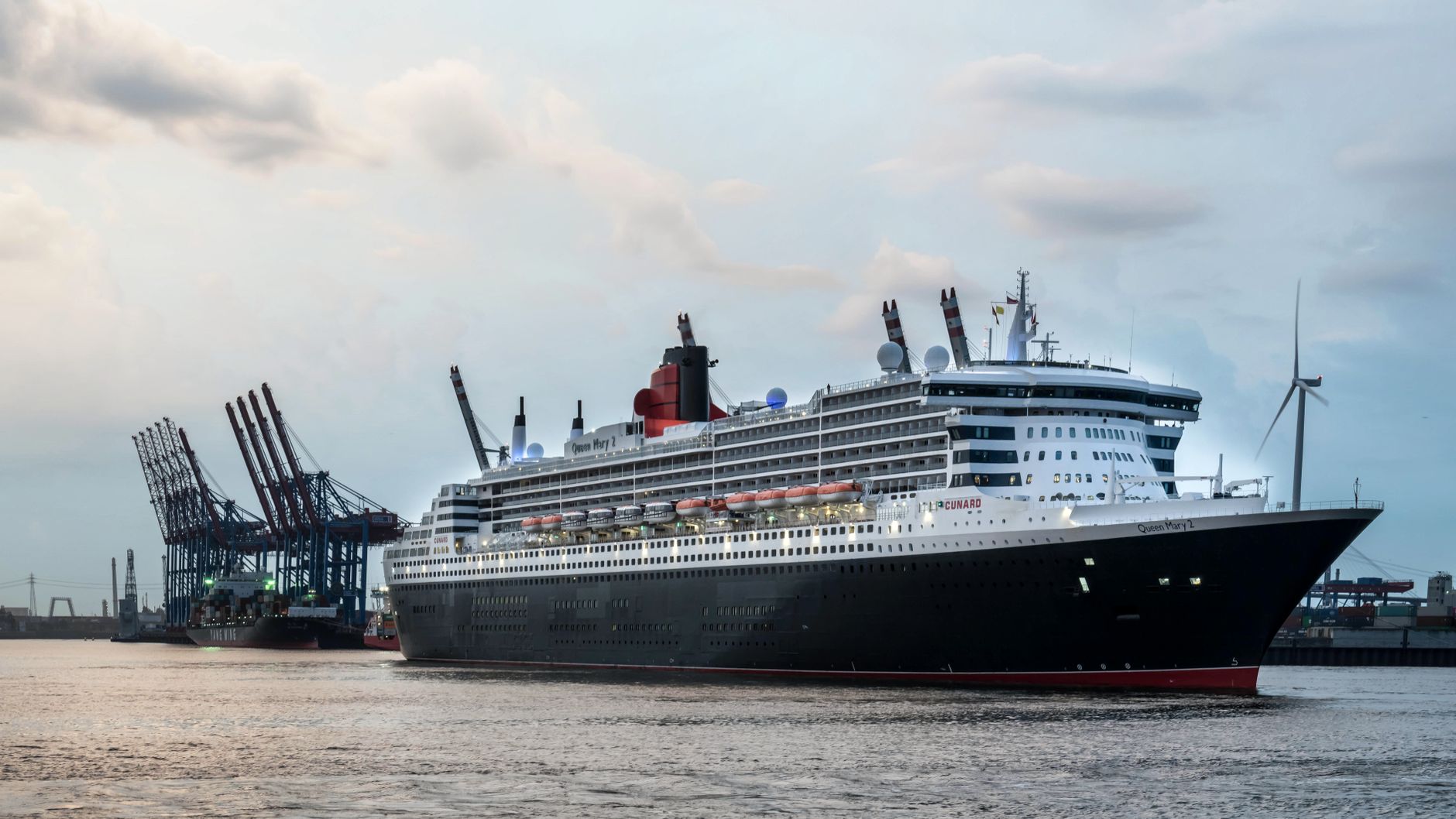
A cruise holiday starts long before the ship leaves the quay. For first-time passengers, the question that causes the most worry is often the simplest one: how exactly do you get to the port? The answer depends on where the journey begins, but for Tilbury it’s more straightforward than many expect.
Anyone researching cruises from Tilbury will quickly notice that the port sits in Essex, on the north bank of the River Thames, around 25 miles from central London. That location shapes everything from travel options to how much time to allow on the day, and understanding it in advance makes embarkation far less stressful.
What Makes Tilbury Different
Tilbury isn’t a vast, multi-terminal port. It’s a single terminal serving a limited number of ships, which keeps things relatively contained. Passengers tend to find the process easy to follow, with check-in, security and boarding happening close together. The port is also well placed for itineraries heading to Norway, the British Isles, the Mediterranean and the Canary Islands, and cruise lines using it include Ambassador, Fred. Olsen, Viking, Azamara and Oceania.
Reaching the Terminal by Train
Rail is a popular choice for passengers coming from London. Regular services run from London Fenchurch Street to Tilbury Town station, and the terminal is a short taxi or shuttle ride from there. The journey from the capital takes less time than many assume, though it’s wise to check the timetable for the day of travel, as weekend engineering works can affect services.
Anyone travelling with large suitcases should think about how easy they’ll be to manage between platforms. Fenchurch Street is a relatively compact station, but a long walk with heavy luggage can still be tiring. Pre-booking a taxi from Tilbury Town in busy periods is a sensible precaution.
Driving to the Port
Road access is via the M25, and the port is signposted from the surrounding network. Congestion around the Dartford Crossing and nearby junctions can be unpredictable, particularly on Saturdays and during school holidays, so an early start is the safest approach. Parking arrangements differ depending on the cruise line and the length of the trip, which makes it worth confirming the details with the operator well before departure rather than on the morning itself.
Arriving at the Right Time
Cruise lines usually allocate arrival windows to spread passengers across the day. Turning up at the allotted time generally avoids queues, while arriving much earlier can mean waiting around before check-in desks open. It’s also worth remembering that boarding doesn’t happen instantly. Passengers typically complete check-in, a security screening and a photo for their onboard card before stepping on the ship.
Documents are the one thing to double-check the night before. Passports, boarding documents and any required travel authorisations should be in hand luggage rather than packed in a suitcase that’s already been handed over.
Weather and traffic can both affect journey times, particularly in winter. Building in a margin of an hour or so, then using any spare time to settle in with a coffee near the terminal, is far less stressful than watching the clock on a crowded road. It’s a simple habit, and it sets a calm tone for the whole trip.
Planning the Night Before
For anyone living a long way from Essex, staying overnight near the port or in London takes much of the pressure out of departure morning. A hotel in the capital opens up the option of using the train, while accommodation closer to Tilbury shortens the final leg. Either approach beats an early-hours dash on the day, particularly for families with young children.
Luggage and Security
Suitcases are usually tagged and handed over at or near the terminal entrance, then delivered to cabins later in the day. That means a small bag with essentials should stay with the passenger. Medication, chargers, a change of clothes, a swimsuit and any valuables are sensible inclusions, since the main luggage might not arrive until the early evening.
Security screening is similar to an airport but generally quicker. Liquids restrictions don’t usually apply in the same way, although each cruise line publishes its own rules on prohibited items, and these are worth reading in advance. Items such as kettles, irons and certain electrical devices are commonly restricted.
What Happens After Boarding
Once on the ship, passengers typically head to their cabin, locate the nearest dining options and attend a safety briefing, known as the muster drill, before sailing. The drill is mandatory and usually takes around twenty to thirty minutes. After that, the ship departs and the voyage properly begins. Many passengers find that spending the first hour exploring the layout saves confusion later, particularly on larger vessels.
Questions Worth Asking in Advance
A few quick checks can save time later. Is there a luggage allowance beyond what the cruise line states? What time does check-in close? Are there shuttle services between Tilbury Town station and the terminal on the day of sailing? The cruise line’s own guidance is the most reliable source for each answer, and it’s usually sent out in the weeks before departure.
With those basics covered, getting to Tilbury is simply another part of the holiday rather than a hurdle to clear. The reward is a calm start, and a ship waiting a short walk from the terminal door.