

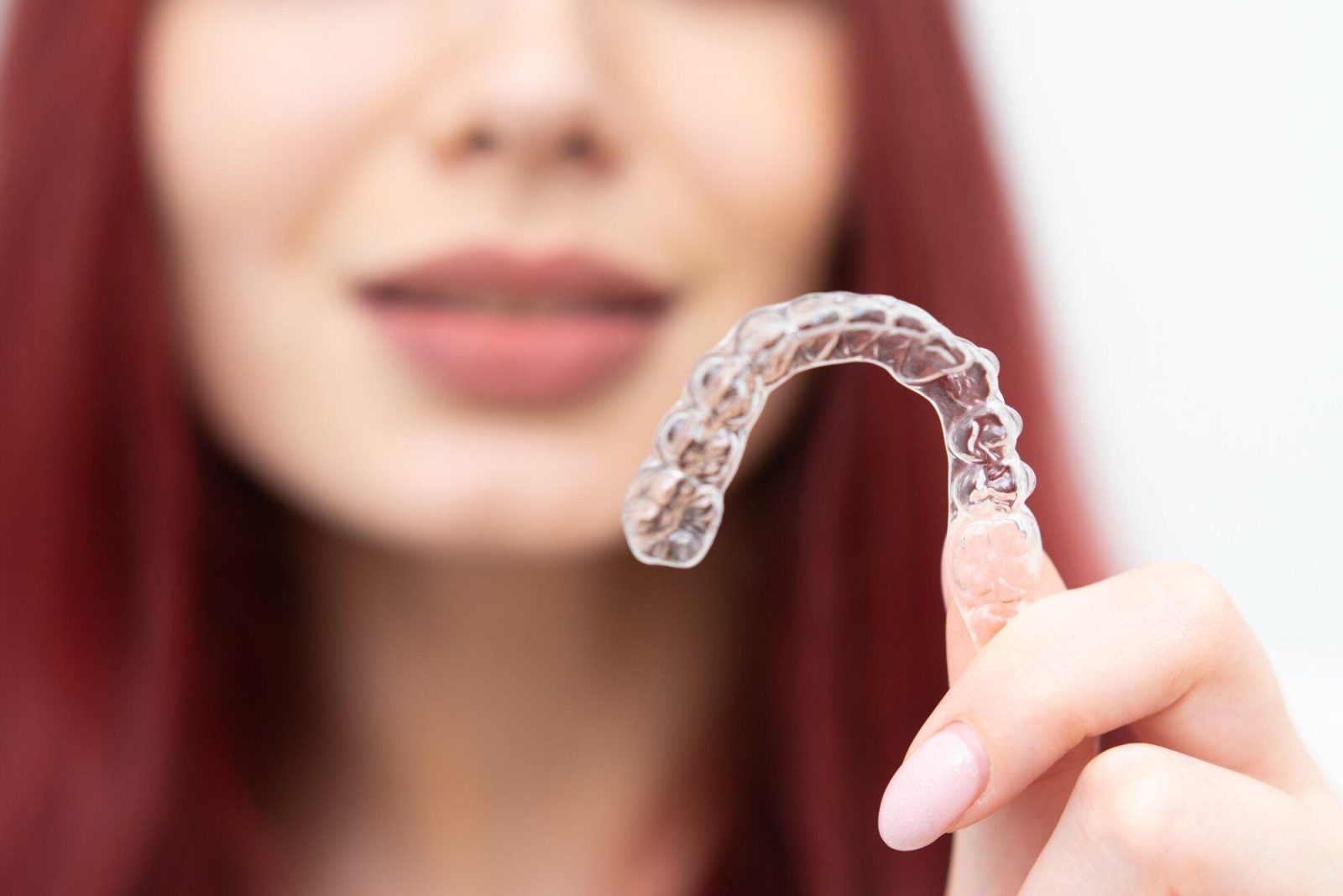
Waking up with a dull headache or stiff jaw makes morning routines frustrating. Clenching your jaw during sleep wears down enamel and strains sensitive facial muscles. Choosing the right nighttime protector shields your smile and restores peaceful rest.
Continue reading to discover everything you need to know!
The Value of a Custom Fit
Over-the-counter mouthpieces seem convenient at first glance, but standard trays often slip during the night. A loose piece shifts around your mouth and disrupts deep sleep cycles. Visiting a dental office provides a custom appliance built strictly around your personal bite alignment.
Ill-fitting trays irritate soft gum tissue and lead to restless nights. When you decide to get yours fitted today through a dental clinic, the appliance stays secure without sliding. The clinical process uses an accurate impression of your upper teeth.
That precise fit keeps the tray comfortable throughout 8 hours of sleep. Store-bought options use boiling water and home molding. This creates uneven plastic walls.
Thin walls wear out fast and offer little protection against strong nighttime pressure. A custom model gives you even thickness across every tooth surface.
Understanding Different Guard Materials
Nighttime mouthpieces feature distinct materials based on how hard you grind. Researchers at the Mayo Clinic explain that separating upper and lower teeth during rest prevents damage from constant clenching. The right material matches the daily force of your jaw.
- Soft guards provide comfort for light grinders and occasional jaw clenchers.
- Dual-laminate guards pair a soft interior cushion with a rigid acrylic outer shell.
- Hard acrylic models offer rigid defense against severe nighttime grinding.
Soft silicone trays cushion sensitive gums. But heavy grinders chew through them within 6 months. Dual-laminate guards give you a balanced option.
They combine cushioning with an outer shield. Hard acrylic appliances resist punctures and last for years of intense nighttime friction.
Assessing Grinding Severity and Guard Thickness
Figuring out how hard you clench helps set the right thickness for your appliance. Cleveland Clinic specialists say a well-made guard prevents tooth fractures and eases jaw joint tension. Light clenchers usually like a slim profile between 1 and 2 millimeters.
Moderate grinding needs about 3 millimeters to handle nightly stress. Severe grinding needs a dense 4-millimeter barrier to prevent flat spots on molars. Choosing the right size keeps your jaw comfortable without straining facial muscles.
A quick visit with your dentist shows whether your molars have worn edges or tiny stress fractures. Dental scans show exactly where your bite puts too much pressure. Accurate details help you choose between a slim tray or a heavy-duty acrylic design.
Daily Maintenance and Storage Habits
Consistent daily care keeps your appliance clean and fresh every night. Rinse it with cool tap water right after you wake up. Never use hot water on the tray. High heat warps acrylic and ruins the fit.
Clean the surface gently with a soft toothbrush and mild liquid dish soap. Avoid abrasive toothpastes.
They scratch clear plastic and create tiny spots where bacteria hide. Store the piece in a clean, dry, ventilated case between uses.
Finding the Right Night Guard for Your Smile
Picking the right nighttime guard protects your smile and prevents morning jaw soreness. Pay attention to how your mouth feels each morning. Replace worn appliances right away when cracks appear.
With a good fit and regular cleaning, your teeth stay safe from friction night after night. Want more practical advice on dental care and protecting your smile?
Check out our blog for helpful tips and guides on oral health, nighttime grinding, and simple habits that support healthier teeth and better sleep.











1 thought on “How to Choose the Right Night Guard for Your Needs”
Comments are closed.