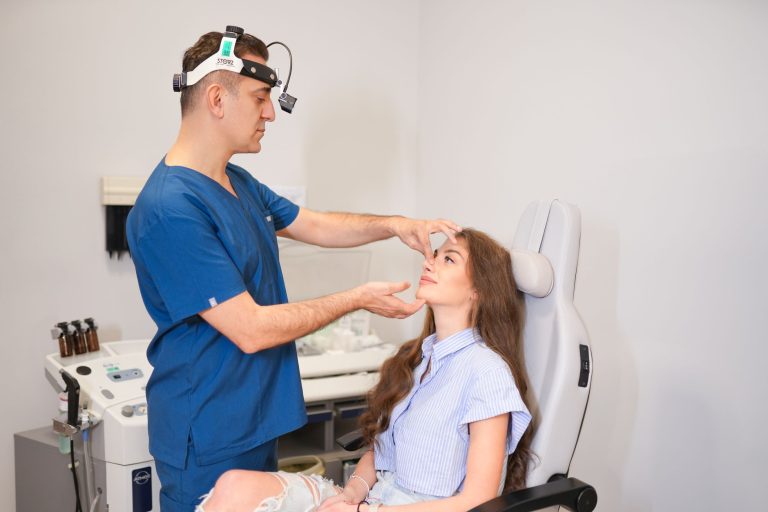
The choice of a surgeon is a personal preference and the choice that suits best is based on training, experience and trust. This guide will give out the reasons on how to find the best plastic surgeon cairns has to offer and what to look at prior to making a reservation. It is suitable to anyone who considers cosmetic or reconstructive surgery in Far North Queensland.
Guide for choosing a perfect plastic surgeon
What a plastic surgeon does
A plastic surgeon is a person who performs both cosmetic and reconstructive surgery to the face and body. Certain operations enhance the appearance and others regain activity following injury, disease or surgery. Knowledge of the distinction will assist the patients to pose appropriate inquiries. Main areas of practice:
- Cosmetic surgery: Surgery of the breasts, face and body aim at improving the beauty, and must be planned and well anticipated.
- Reconstructive surgery: These surgeries rebuild or form an injured, cancerous or other parts of the body rebuilding both their operational ability and self-esteem.
- Hand and skin procedures: Some surgeons also attend to problems and skin injuries of hands, an indication of the great diversity of the skills of the specialty.
Checking qualifications and training
The first aspect to check is qualifications. In Australia, a plastic surgeon should reflect specialized surgical training. Patients should make sure of credentials before conducting any form of consultation. What to confirm:
- Specialist registration: Approve that the surgeon has been registered by the Australian Health Practitioner Regulation Agency as a specialist of plastic surgery.
- Professional membership: Find a fellowship in the Royal Australasian College of Surgeons, indicating that the person has completed an approved surgical training.
- Ongoing education: The continually-learning surgeons are kept updated of the safe methods, research and best practice standards.
- Hospital privileges: Becoming certified to work in accredited hospitals means that the surgeon has been thoroughly credentialed.
Reviewing experience and results
The experience is the most important in terms of the very procedure in question. A surgeon who has undertaken a particular procedure on a regular basis is likely to be aware of the dangers and difficulties of the procedure. The results are to be considered. What to review:
- Procedure experience: Inquire the frequency of the surgeon performing the specific procedure since experience forms a skill and a judgement.
- Before and after photos: Actual patient photos show the style and the outcomes of the surgeon, but there will always be different results with individual patients.
- Patient reviews: Honest feedback shows how the staff interacts with the patient, how they support and manage their post-discharge.
- Realistic outcomes: An excellent surgeon tells what can be done or cannot be done by surgery and does not guarantee an ideal outcome.
Preparing for the first consultation
The first session will be an opportunity to ask questions and measure comfort levels. An effective consultation is open and relaxed. Preparation can be helpful in the visit. How to prepare:
- Write down goals: Write expectations regarding what surgery will bring, which will help the surgeon to understand what is expected and give suitable alternatives.
- List medical history: Tell history of drug use, allergies, prior surgery, medical history since it affects recovery and safety.
- Prepare questions: To make your decision, you need to prepare questions regarding risks, time to recover, cost and alternatives to ensure that nothing is left out.
Understanding safety, risks, and recovery
There is no surgery which is risk free and a good surgeon tells you about what is risky. The area of recovery will also need planning. The awareness of what to expect lowers stress levels, before and after the operation. What to discuss:
- Possible risks: Enquire about infection, scarring and anaesthetic reactions and their management by the team.
- Recovery timeline: Know the time needed to recover, when normal functions can start and what are limitations.
- Aftercare support: Instructions and follow-up visits ensure that patients recuperate and detect the problems early.
- Cooling-off time: Quality practices also encourage time to think as a result of which makes a sound and well-informed decision.
Considering costs and facilities
Prices are dependent on the procedure, hospital and anaesthetic requirements. A clear quote does not come as a surprise . Facility standards also determine the level of safety and comfort. Points to compare:
- Itemized quotes: The cost of surgeon, hospital, and anaesthetist charges are broken down in detail which will allow the patients to make a fair comparison.
- Accredited facilities: Surgery has to be under facilities of certified hospitals or day surgeries of national standards of safety.
- Local access: The practice in Cairns will allow easier providing of follow-up visits and assisting locals and regional patients to have a smoother recovery.
Discussing the frequently asked questions
How can training a plastic surgeon be validated?
Check AHPRA register searching specialists’ registration.
Is a referral needed?
Yea so often, and particularly so as to do a reconstruction.
How long is the consultation period?
It must permit time for all questions.
In what way causes one to opt to use a local surgeon?
Local care is less complicated when it comes to follow-up visits.