- Luxury condos, historic homes, and new construction offer very different ownership experiences in Boston.
- Purchase price is only one part of the decision. Fees, taxes, insurance, utilities, repairs, and parking can materially change the long-term cost.
- Location, building condition, daily routines, and expected length of ownership should shape the comparison.
- Buyers should evaluate individual buildings and blocks rather than rely solely on broad citywide market impressions.
Boston buyers can find remarkable variety within a few miles: full-service condominium towers near the waterfront, brick row houses in established neighborhoods, and newly built residences with modern systems. The right choice is rarely just the newest home or the largest floor plan. It is the property that fits how you expect to live, maintain, and eventually sell.
For buyers seeking neighborhood-level perspective, the best Boston luxury real estate agent resources from Ricardo Rodriguez & Associates can provide a useful starting point. The Boston-based luxury real estate team serves buyers, sellers, and developers throughout Boston and the greater New England region, with experience across condominiums, historic residences, and new-development properties. Their website is especially relevant for buyers who need to compare high-value homes through the lens of location, building quality, and lifestyle fit.
Why Property Type Matters in Boston
Two homes with similar asking prices may require completely different levels of time, planning, and monthly spending. A Back Bay condo may offer elevator access, a staffed lobby, and garage parking, while a historic townhouse may offer private outdoor space, larger rooms, and architectural detail. A new residence may include efficient equipment and contemporary finishes, but it can also come with association fees, developer-controlled decisions, or an untested management structure.
Start by separating your priorities into practical categories: privacy, convenience, maintenance responsibility, design character, commute, and flexibility for future life changes. That framework prevents a beautiful kitchen or dramatic view from outweighing more important questions about cost and daily usability.
What to Look for in a Luxury Condo
Luxury condominiums can simplify ownership because exterior maintenance and major shared systems are handled collectively. Depending on the building, amenities may include a concierge, fitness space, package handling, roof deck, storage, elevator, resident lounge, or valet and garage parking.
Those conveniences should be weighed against monthly condominium fees. Ask what the fee covers, whether utilities or insurance are included, how much money is held in reserves, and whether the association anticipates major capital work. Review rules covering pets, rentals, renovation hours, move-ins, and resale procedures. A well-run building can be a major advantage, but buyers should understand both its budget and its restrictions before making an offer.
The Appeal and Cost of Historic Boston Homes
Boston’s brownstones, brick townhouses, row houses, and older single-family properties appeal to buyers who value original millwork, fireplaces, formal rooms, high ceilings, and a strong neighborhood identity. Historic homes can also place residents near parks, restaurants, schools, cultural institutions, and transit.
Character requires diligence. Older homes may need updates to plumbing, electrical service, roofing, masonry, insulation, windows, heating, or cooling. Request records for completed work and hire inspectors who understand older construction. Exterior changes may also be subject to local review in designated areas, so buyers considering visible renovations should understand how Boston’s historic district commissions may affect the approval process.
What New Construction May Offer
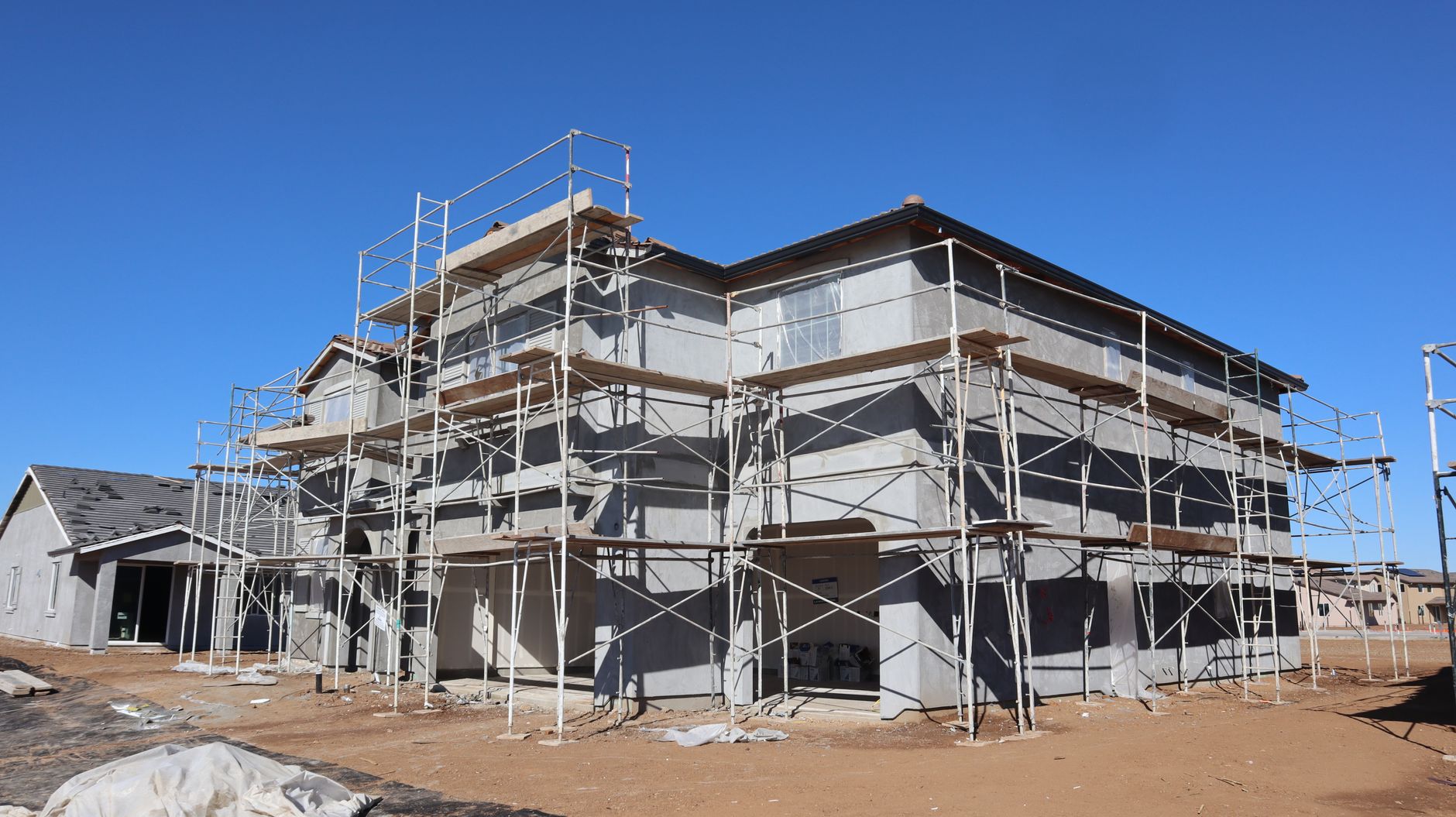
New construction often attracts buyers with open layouts, updated building systems, modern insulation, smart-home features, and warranties. It may reduce immediate repair needs, although it does not eliminate ownership costs. New buildings can still have substantial association fees, special service contracts, property taxes, parking charges, and future maintenance obligations.
Review the offering documents, projected operating budget, warranty terms, construction schedule, and management plan. Confirm which amenities are complete, which are still planned, and whether the developer retains voting control. Boston’s limited luxury condo development pipeline can also make it important to compare available inventory carefully, as recent reporting on Boston condo development illustrates.
Compare Total Costs, Not Just the Purchase Price
Create a three- to five-year ownership budget for each finalist. Include:
- Purchase price, financing costs, and closing expenses
- Property taxes and homeowners or condominium insurance
- Monthly association fees, utilities, and parking
- Routine maintenance, furnishing, and seasonal upkeep
- Likely repairs, reserve contributions, or possible special assessments
A lower-priced historic home may need more near-term work than a higher-priced condo. Conversely, a full-service condo may carry recurring fees that meaningfully affect cash flow. Compare the complete picture rather than treating one monthly line item as decisive.
Review Location Through a Daily-Life Lens
Boston neighborhoods can feel very different from morning through late evening. Visit properties on weekdays and weekends, walk the route to transit, and notice street noise, delivery activity, traffic, lighting, and parking. Check how easily the home connects to work, groceries, parks, dining, schools, medical care, and the people you see most often.
A smaller residence in Beacon Hill, the South End, Back Bay, Charlestown, or the Seaport may suit one buyer better than a larger home farther from daily needs. Also ask about nearby development, test mobile reception, and verify internet options before assuming a location works for remote or hybrid work.
Compare Resale Potential and Market Position
Resale appeal depends on more than square footage. Natural light, a workable layout, parking, outdoor space, elevator access, distinctive architecture, and strong building management can all influence future buyer interest. Review comparable sales from the same building whenever possible, then expand to nearby homes with similar condition, location, and amenities.
Historic homes may benefit from scarcity and architectural identity, while new properties can appeal to buyers who prefer contemporary systems and lower initial maintenance. Neither category is automatically the better investment. Condition, presentation, location, and market timing matter in every property type.
Questions to Ask Before Making an Offer
- How long has the home been available, and have there been price changes?
- Which recent sales are the most relevant comparisons?
- What repairs, upgrades, insurance claims, or assessments are known?
- What work has been completed during the past five years?
- Are there renovation, leasing, pet, or resale restrictions?
- What costs will continue after closing?
- How quickly can the seller close, and what contingencies are realistic?
A Simple Decision Framework
Rate each property from one to five for location, monthly cost, privacy, maintenance needs, amenities, architectural character, resale flexibility, and fit with daily routines. The highest total does not automatically identify the best home. A buyer planning to travel often may value a managed condo, while a buyer seeking space and control may accept the maintenance demands of a historic townhouse.
Final Buying Checklist
- Set a complete acquisition and ownership budget.
- Review inspections, disclosures, association documents, and repair records.
- Compare recent sales and evaluate the property’s specific market position.
- Visit the neighborhood at more than one time of day.
- Use appropriate legal, lending, insurance, and inspection guidance.
Boston homebuyers do not need to choose the newest or most expensive option to make a sound decision. A luxury condo, historic residence, or new construction home can be an excellent fit when its condition, costs, location, and future flexibility are understood before closing.