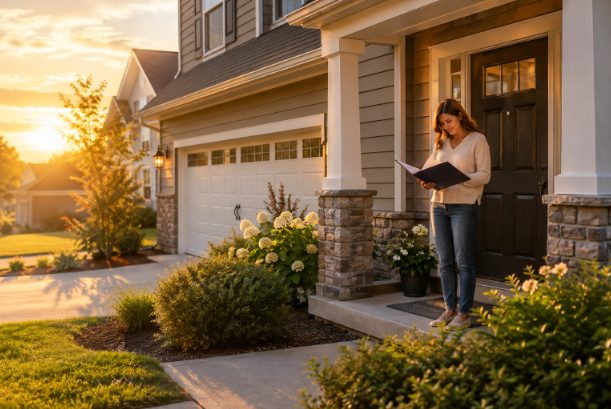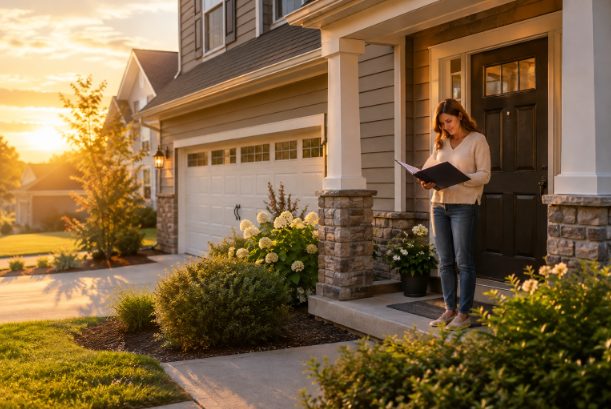
Purchasing your first home represents a significant financial and emotional milestone. Beyond the excitement of closing day and receiving your keys, you are now responsible for the upkeep and care of your property. Many new homeowners underestimate the time, money, and effort required to maintain a house properly. Understanding what maintenance your property requires is essential for preserving its value, ensuring safety, and avoiding costly emergency repairs. This knowledge will help you budget appropriately and develop a realistic maintenance schedule that protects your investment.
Establishing a Regular Maintenance Schedule
Creating a structured approach to home maintenance is one of the most effective ways to prevent major problems before they develop. A comprehensive maintenance schedule should include daily, monthly, seasonal, and annual tasks that address different systems and components of your home. Daily responsibilities might include monitoring for water leaks or unusual sounds, while monthly tasks could involve testing smoke detectors and checking weather stripping on windows and doors. Seasonal maintenance becomes increasingly important as weather patterns change, requiring adjustments to your HVAC systems, gutter cleaning, and foundation inspections. By tracking these tasks and completing them consistently, you significantly reduce the likelihood of unexpected breakdowns that would require expensive professional repairs or temporary housing arrangements.
Understanding the Major Systems in Your Home
Your home contains several interconnected systems that require different types of attention and care throughout their lifespan. The plumbing system needs regular inspection for leaks, corrosion, and proper drainage to prevent water damage and mold growth. Electrical systems should be evaluated for outdated wiring, circuit overloads, or any signs of electrical hazards that could pose safety risks to your household. Regular climate control checkups also help maintain balanced indoor temperatures throughout different seasons. Property owners who want to read more about maintaining heating and cooling systems often find that routine filter replacements and airflow checks can help lower overall energy costs and extend system life. The roof is among the most critical components of your home, protecting everything beneath it from weather damage, and should be inspected annually and after severe storms for missing shingles, leaks, or structural damage.
Budgeting for Maintenance and Unexpected Repairs
Financial planning for home maintenance extends beyond your monthly mortgage payment and requires a realistic assessment of what your property will need over time. Home maintenance experts recommend setting aside approximately one percent of your home’s purchase price annually for routine maintenance and repairs, though this figure can vary depending on the age and condition of your property. For a home valued at three hundred thousand dollars, this would equate to three thousand dollars per year that should be allocated toward upkeep. You should also establish an emergency fund for unexpected major repairs such as foundation work, significant plumbing issues, or roof work that can cost several thousand dollars at once. A roofing replacement is one of the larger expenses a homeowner may face, and budgeting for it in advance ensures you are not caught off guard when the time comes to address serious roof deterioration. Understanding your home’s age and current condition helps you anticipate which systems may require replacement soon, allowing you to plan proactively rather than scrambling to find funds when problems arise.
Knowing When to Handle Tasks Yourself Versus Hiring Professionals
Determining which maintenance tasks you can safely and effectively complete yourself and which require professional expertise is crucial for both your safety and your home’s integrity. Simple tasks such as changing air filters, caulking gaps, painting, or basic landscaping maintenance can often be handled by homeowners without specialized training or equipment. However, tasks involving electrical work, gas appliances, structural repairs, or complex plumbing generally require licensed professionals who understand building codes and safety standards. Attempting advanced repairs without proper knowledge and tools can result in injury, voided warranties, or damage that costs significantly more to correct than hiring a professional from the outset. Building relationships with trusted contractors, electricians, plumbers, and other service providers before you urgently need their help allows you to obtain reliable recommendations and understand fair pricing.
Maintaining Your Home’s Exterior and Foundation
The exterior of your home serves as the primary barrier against weather, pests, and environmental damage, making its upkeep especially important for long-term property protection. Gutters and downspouts should be cleaned several times per year to prevent water from backing up and damaging siding, fascia, or the foundation below. Siding, whether vinyl, wood, brick, or another material, needs periodic cleaning, inspection for damage, and timely repairs to maintain its protective function. Foundation cracks, settling, or signs of water intrusion demand professional evaluation, as they can indicate serious structural issues that require prompt attention to prevent further deterioration. For additional guidance on developing a thorough home maintenance approach, the U.S. Department of Housing and Urban Development offers resources that help new homeowners understand their responsibilities and plan accordingly.
Conclusion
Homeownership brings both rewards and responsibilities that require your ongoing attention and commitment to proper maintenance practices. A new homeowner who invests time learning about their property’s systems, establishing realistic maintenance schedules, and budgeting appropriately will protect their investment and enjoy their home for many years. The knowledge you develop about your home’s specific needs, combined with a proactive approach to upkeep, will serve you well throughout your time as a property owner. Addressing maintenance consistently and knowing when to seek professional assistance will minimize costly surprises and support a safe, comfortable living environment. Taking these responsibilities seriously from the beginning sets a strong foundation for successful, long-term homeownership.