

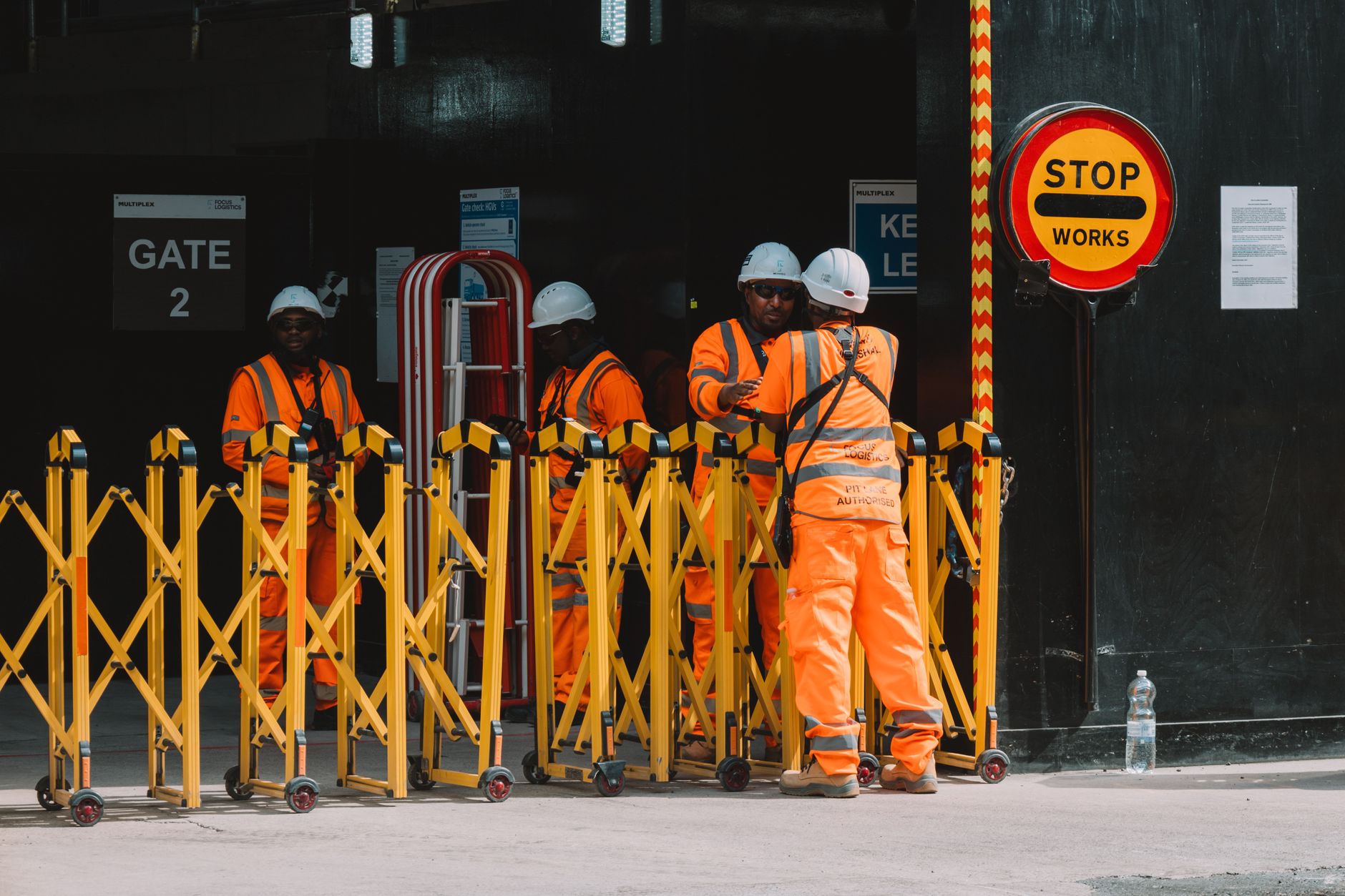
What role do your workplace tools play in keeping you and your colleagues safe each day? The equipment, technology, and resources available to employees directly influence accident rates, injury prevention, and overall occupational health. Organizations that prioritize tool quality and functionality create environments where workers can focus on their tasks without unnecessary risk. When you have access to well-designed, properly maintained tools, you are more likely to work efficiently while protecting yourself from preventable hazards. This article explores how investing in better tools contributes to safer work environments across different industries and job settings.
Understanding Tool Quality and Safety Standards
The relationship between tool quality and workplace safety is foundational to any effective occupational health strategy. Tools that meet established safety standards undergo rigorous testing to ensure they perform reliably under expected conditions. When you use substandard or worn equipment, you face increased risks of malfunction, unexpected failure, or accidents that could have been prevented. High-quality tools are designed with ergonomics in mind, meaning they reduce strain on your body and decrease fatigue during work shifts. Tools that incorporate modern safety features such as automatic shutoffs, protective guards, or anti-slip surfaces provide multiple layers of protection. By choosing equipment that adheres to recognized industry standards, organizations demonstrate a commitment to protecting their workforce from avoidable injuries.
The Role of Tool Maintenance and Inspection Programs
Purchasing quality tools represents only the first step in creating a safer work environment. You must also establish and follow comprehensive maintenance and inspection protocols to keep equipment in optimal condition. Regular inspections allow you to identify wear, damage, or deterioration before tools fail during critical moments. When maintenance is neglected, even initially high-quality equipment becomes hazardous and unreliable. Employees who receive training on proper tool care and maintenance develop better habits and catch potential problems early. In high-stakes fields such as aviation, where technicians rely on precision during every inspection and repair, sourcing tools from a reputable aircraft tool supply ensures that equipment meets the demanding safety requirements these environments require. Organizations that implement scheduled maintenance programs, document inspection results, and promptly repair or replace damaged tools significantly reduce incident rates and create accountability throughout the workplace.
Technology and Smart Tool Solutions
Modern workplaces increasingly benefit from technological advances in tool design and monitoring. Smart tools equipped with sensors can track usage patterns, alert users to maintenance needs, and provide real-time feedback on proper operation. You may encounter tools with integrated safety features such as load monitoring systems, proximity alerts, or automatic engagement controls that prevent overuse. Digital inventory systems help organizations keep accurate records of tool availability and condition, ensuring workers always have access to functioning equipment. Tools designed with user feedback and ergonomic research address common pain points and reduce repetitive strain injuries. When technology is applied thoughtfully to tool development, it creates opportunities for workers to perform their jobs more safely and efficiently.
Training and Proper Tool Usage
Even the best tools cannot protect you if you do not understand how to use them correctly and safely. Comprehensive training programs ensure that all employees receive instruction on proper techniques, safety precautions, and troubleshooting procedures. When you are trained on the specific tools your workplace uses, you develop confidence and competence that translate into safer work practices. Inadequate training leads to misuse, which can negate the safety benefits of quality equipment. Organizations that prioritize ongoing training and refresher courses demonstrate that tool safety is a continuous priority rather than a one-time initiative. Workers who feel confident in their ability to use tools properly are more likely to follow safety protocols and report equipment problems promptly. According to the Occupational Safety and Health Administration, proper training is a foundational element of any effective workplace safety program.
Creating a Culture of Tool Safety
Safety becomes ingrained in your workplace when leadership and management actively promote a culture that values proper equipment use and maintenance. When supervisors model safe tool practices and hold teams accountable for following protocols, employees take these expectations seriously. You are more likely to report broken or unsafe tools in environments where leadership responds quickly and appreciatively to such concerns. Organizations that communicate the connection between tool quality and worker protection help employees understand why investment in better equipment matters. Regular safety meetings that address tool-related hazards, lessons learned from incidents, and updates on new equipment keep safety at the forefront of workplace consciousness. A strong safety culture transforms tool maintenance and proper use from compliance obligations into shared values that protect everyone in the workplace.
Conclusion
Better tools significantly contribute to safer work environments by reducing hazards, improving reliability, and supporting your ability to work confidently. Organizations that invest in quality equipment, maintain it properly, train workers thoroughly, and foster a culture of safety create workplaces where injury rates decline and productivity improves. You deserve access to tools that are designed with your safety in mind and kept in peak working condition. The combination of quality equipment, proper maintenance, adequate training, and strong safety culture creates the foundation for occupational health and prevents unnecessary accidents. By understanding and acting on the connection between tool quality and workplace safety, organizations protect their most valuable asset: their people.










1 thought on “How Better Tools Can Support Safer Work Environments”
Comments are closed.