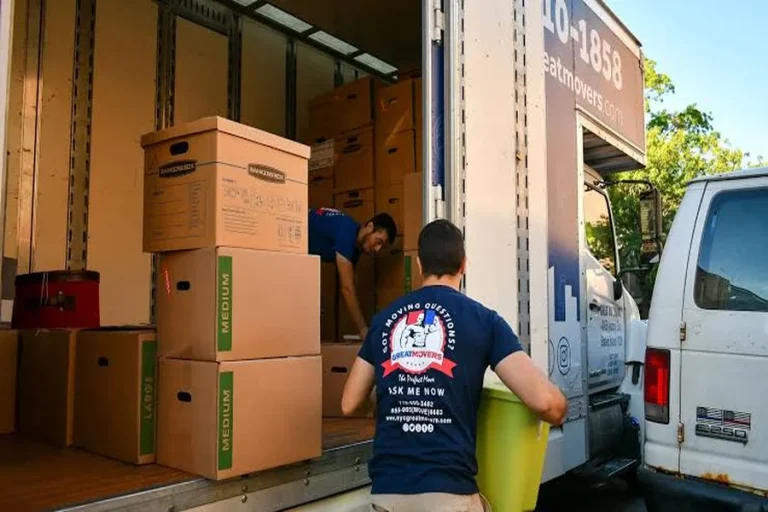
Moving on the North Shore involves more than shifting boxes: access, parking, stairs, and travel time can all affect the day. A clear conversation before booking helps you compare quotes, confirm what the crew will handle, and avoid last-minute surprises. Ask these seven questions before choosing a mover, and make sure the answers match the details of your home and move.
1. What Is Included in the Quote?
Ask whether the quote covers labour, travel, loading, unloading, and any extra services you may need. If you are comparing a moving company in North Shore, give each mover the same information about your move, including the addresses, access, and items that need special handling. That makes the estimates easier to compare and helps you spot missing details before you commit.
Check whether the price is hourly or fixed, and ask what could change it. A quote based on incomplete information can leave you unclear about extra charges if the move takes longer than expected. Request a written breakdown and confirm how the mover will handle any change to the agreed plan.
2. How Will You Assess Access and Parking?
North Shore homes vary from apartments with lifts to properties on narrow or steep streets. Describe the access at both addresses, including stairs, long carries, restricted loading areas, and any building requirements. Ask whether the mover needs photos or a visit to assess the job properly.
Confirm who is responsible for arranging parking or access approvals where needed. If a truck cannot stop close to the entrance, carrying belongings further can affect the time and effort involved. Raise the issue early rather than assuming the crew will be able to park outside.
3. Who Will Handle the Move?
Ask who will arrive on moving day, how many crew members are planned, and who will lead the job. You should also find out whether the same team will load and unload your belongings, particularly if the move includes a long-distance leg or a change of vehicle.
Clarify how the crew handles fragile, bulky, or valuable items. For a piano, artwork, or delicate china, explain what needs attention and ask what preparation you should complete. Agree on any packing or lifting support before booking, so responsibility is clear.
4. What Insurance Applies to My Belongings?
Ask what cover applies during loading, transport, and unloading, and request the terms in writing. Do not assume that “insured” describes every type of damage or loss. Confirm what you need to disclose, how claims are handled, and whether your own home or contents policy has relevant conditions.
Make a list of valuable or fragile belongings before the move. Photograph items that need careful handling and point out existing marks or damage to the crew before loading. Clear records help both sides identify the item and its condition if a concern arises.
5. What Packing Help Is Available?
Find out whether you can book full packing, help with selected rooms, or transport of packing materials. If you plan to pack yourself, ask what preparation the crew expects, such as sealed boxes and clearly marked fragile items. Agree on who packs and protects anything that needs special care.
Ask whether furniture disassembly and reassembly are included or need separate arrangements. Empty drawers if requested, and set aside essentials you will carry yourself. A simple division of tasks prevents uncertainty when the crew arrives and keeps the loading plan clear.
6. How Do You Manage Timing and Changes?
Ask when the crew expects to arrive, how you will receive updates, and what happens if access or timing changes. Confirm the arrival window and the best contact method for moving day. If you are moving between homes with different access arrangements, share those details in advance.
Check the cancellation and rescheduling terms before you pay a deposit. Weather, settlement timing, or a delayed key handover can disrupt plans, so know whom to contact and what options apply. Keep the agreed details, including any revised arrival time, in writing.
7. What Happens if Something Goes Wrong?
Ask who you should contact if an item is damaged, the crew is delayed, or the move takes longer than planned. A clear process should explain what information to provide and when to report a problem. Keep the booking confirmation, inventory notes, and relevant photos together.
Before the crew leaves, check the rooms, storage areas, and truck for items left behind. Point out any concerns promptly and note them with the team. Agreeing on a practical check-out process helps close the day with fewer loose ends.
Conclusion
Before you book, compare written quotes against the same inventory, access details, and service requirements. Choose a mover that answers your questions clearly and records the agreed plan, including payment terms, timing, and responsibility for special items. Keep those details on hand on moving day, and let the crew know about any changes as soon as you can. A careful check now can prevent avoidable confusion later.