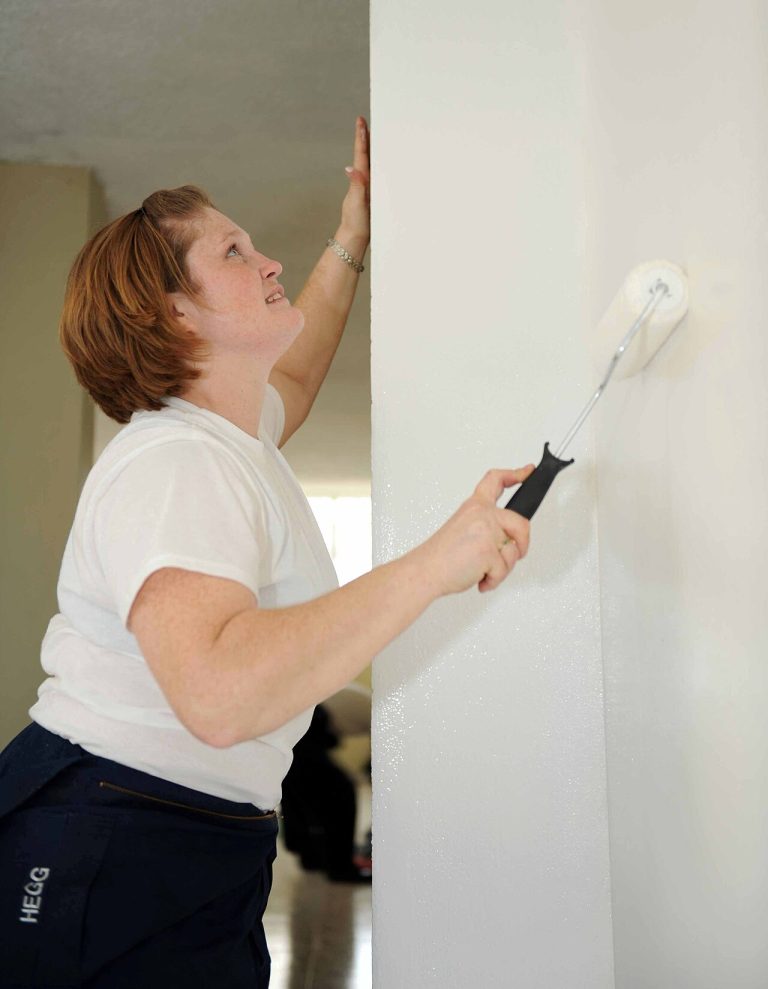
A fresh coat of paint can lift a home’s appearance, but it cannot hide every fault in an exterior wall. Cracks, peeling coatings, and uneven patches often need attention first. In Auckland, whether plastering is worthwhile depends on the wall’s condition, the cause of any damage, and the finish you want. Begin by checking what the surface needs before deciding on the work.
When Plastering Adds Value
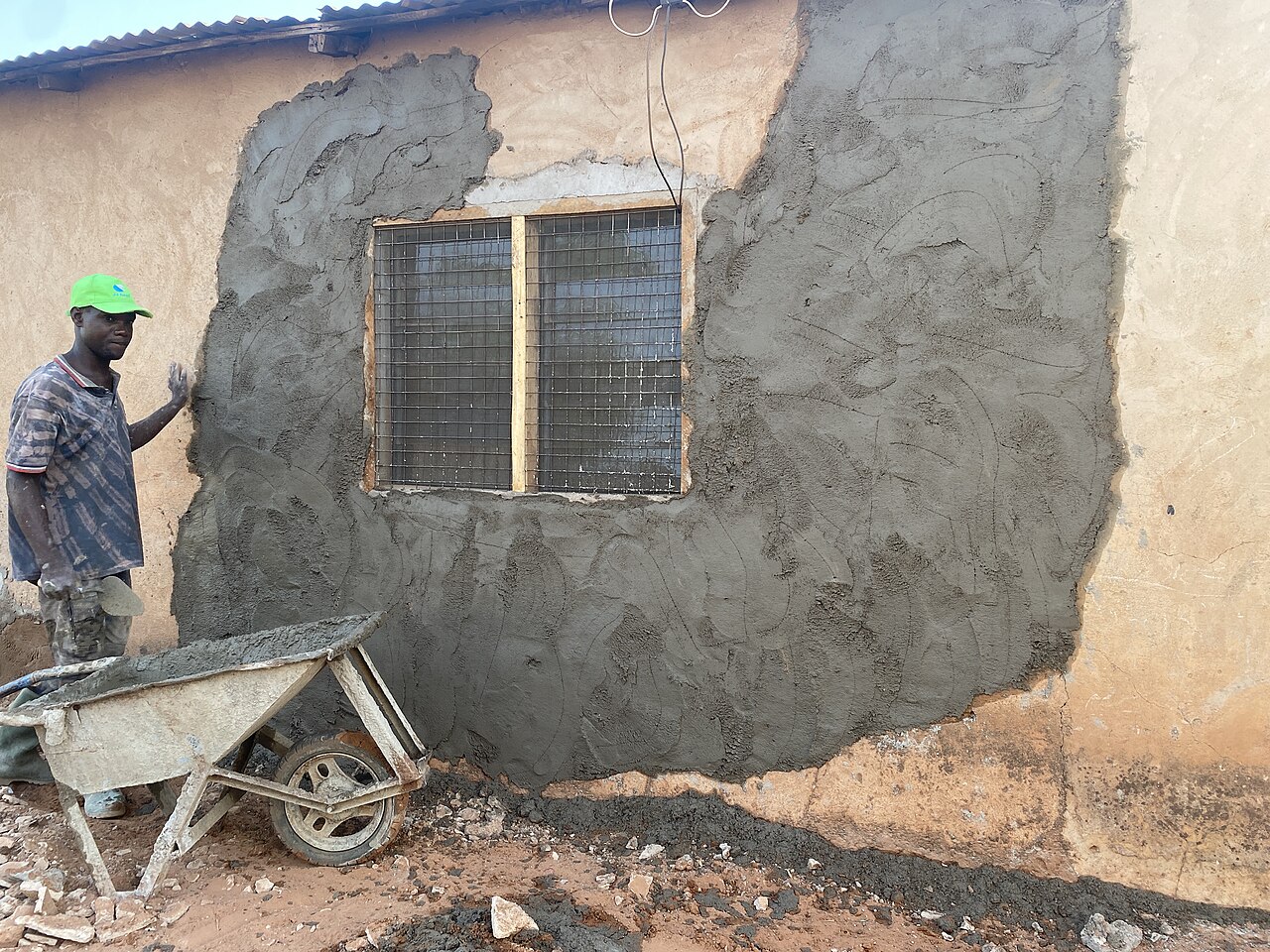
Plaster gives paint a sound base, but its value depends on the wall’s condition. Cracks, loose coatings and uneven patches can show through a new finish and affect how long it lasts. Before choosing a colour, ask exterior plasterers in Auckland to assess whether the wall needs local repairs, more extensive plastering or no plaster work. The assessment should cover moisture, joints and compatibility with the planned coating.
The right scope matters. A local repair can be enough when damage is limited, and the surrounding plaster is firmly attached. Widespread cracking or an inconsistent texture calls for broader repairs to create a more even base for paint.
Plastering is worthwhile when it addresses surface defects before painting. It adds little value if the existing plaster is sound and there is no clear reason to cover it with a new layer.
Read the Wall Before Choosing the Work
Inspect the exterior in good light, paying close attention to areas around windows, doors, corners and joins. Cracks and gaps often appear in these places. Note whether the damage is isolated or spread across a larger area.
The type and pattern of damage help determine what work the wall needs. Check for these signs before arranging to paint:
- Hairline cracks across several areas need closer assessment.
- Loose or hollow-sounding plaster may have detached from the surface.
- Damp patches or recurring stains call for an investigation into the moisture source.
- Uneven repairs can leave ridges visible beneath fresh paint.
A surface repair will not stop water entering behind the plaster. Find and fix the source of moisture before applying new material, or the area can deteriorate again. If the cause or extent of the damage is unclear, arrange an on-site assessment before agreeing to a full recoat.
What Good Preparation Changes
Paint needs a clean, dry, and stable surface. Plaster repairs fill damaged areas and reduce differences in texture, giving the finished coating a more consistent appearance. The result depends on proper preparation: remove loose material, allow repaired sections to cure, and make sure the surface suits the paint system.
Skipping those steps can waste time and paint. A coating applied over dust, dampness, or unstable plaster will not adhere as intended. Painting over an unrepaired crack leaves the defect in place, even if the new colour initially makes it less noticeable.
Ask how the wall will be prepared, which areas need repair, and how the finished plaster will be checked before painting begins. Clear answers make it easier to compare the work included in each quote.
Compare the Full Scope, Not Just the Price
A plastering quote should spell out the work it covers. Check whether it includes surface preparation, repairs, removal of loose plaster, protection of nearby areas, and clean-up. Ask whether the price assumes that the source of any moisture has already been fixed and whether painting is included or priced separately.
Compare quotes for the same areas and finish. One might cover a small patch repair, while another includes wider surface preparation. Those are different jobs, so the lower price alone does not show which option suits the wall.
A useful assessment separates necessary repairs from cosmetic work. Ask what will happen if the contractor finds more damage after preparation begins. Agreeing on how additional work will be assessed helps avoid confusion once the old coating is removed.
When You Can Paint Without Replastering
If the plaster is firmly attached, dry and reasonably even, a full plastering job may not be needed. You can often repair minor flaws locally, then prepare the surface for paint. The right approach depends on the coating, the condition of the wall and the size of the defects.
Do not pay for a broad coat simply because the exterior looks tired. Washing the surface, scraping off loose paint and making limited repairs may be enough when the plaster underneath is sound. Deep cracks, loose areas and ongoing dampness need attention before painting.
Ask for the wall’s condition to be recorded before work starts. Photos and a written scope help confirm which areas need plastering and which only need preparation for paint.
Conclusion
Exterior plastering is worth the cost when it repairs cracked, uneven or unstable surfaces and gives paint a sound base. It is unnecessary when the plaster is in good condition and needs only routine preparation. Before approving work, inspect the wall, identify any source of moisture, and compare quotes covering the same tasks. This helps direct your budget towards repairs that improve the finish rather than temporarily hiding defects.