
Making a home more energy efficient doesn’t require a complete overhaul. Small, targeted upgrades can meaningfully reduce energy waste, lower utility bills, and improve comfort throughout the year. Here’s where to focus your efforts.
Start With an Energy Audit
Identify Where You’re Losing Energy
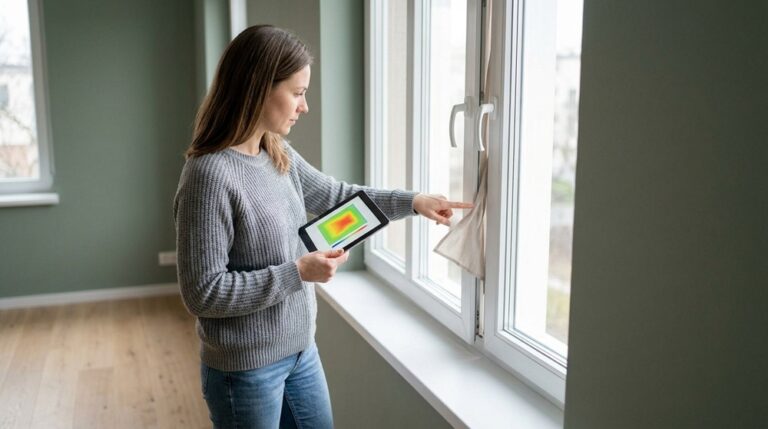
A home energy audit—whether professional or a basic DIY check—identifies where heat escapes and where energy is wasted, helping you prioritize which upgrades will make the biggest difference.
Check for Drafts
Feeling around windows, doors, and outlets on a windy day can reveal air leaks that quietly drive up heating and cooling costs year-round.
Seal and Insulate
Seal Air Leaks
Caulking gaps around windows and doors, and using weatherstripping on movable parts, is one of the most cost-effective ways to prevent conditioned air from escaping.
Improve Attic and Wall Insulation
Poor insulation is one of the biggest sources of energy loss in many homes. Upgrading attic insulation in particular often delivers a strong return on investment, since heat rises and escapes through poorly insulated roofs.
Insulate Water Heaters and Pipes
Wrapping a water heater tank and exposed pipes in insulation reduces heat loss, helping the system work less to maintain water temperature.
Upgrade to Efficient Systems
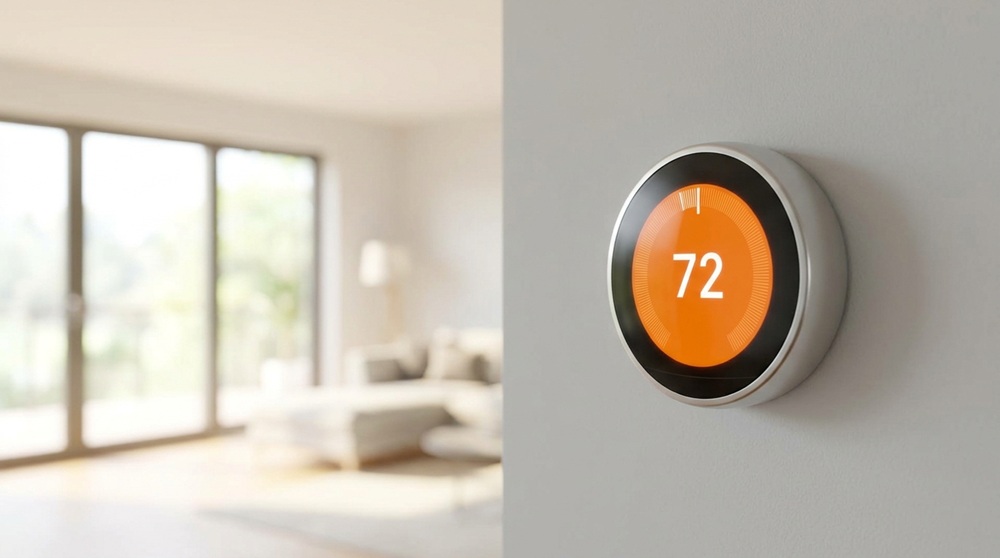
Install a Programmable or Smart Thermostat
Smart thermostats learn your schedule and adjust heating and cooling automatically, reducing energy use without requiring manual adjustments throughout the day.
Maintain Your HVAC System
Regularly replacing air filters and scheduling routine maintenance keeps heating and cooling systems running efficiently, preventing the extra energy use that comes with a strained system.
Consider High-Efficiency Appliances
When appliances need replacing, ENERGY STAR-certified models use significantly less energy than older, standard models over their lifespan.
Rethink Lighting
Switch to LED Bulbs
LED bulbs use a fraction of the energy of incandescent bulbs and last significantly longer, making them one of the simplest, lowest-cost upgrades available.
Maximize Natural Light
Opening blinds and curtains during the day reduces the need for artificial lighting, especially in frequently used rooms.
Use Motion-Sensor or Timer Lighting
Motion sensors and timers help avoid wasted energy from lights left on in unoccupied rooms, particularly in spaces like garages, hallways, and outdoor areas.
Manage Water Usage Efficiently
Install Low-Flow Fixtures
Low-flow showerheads and faucet aerators reduce hot water usage, cutting both water and energy costs without noticeably affecting water pressure.
Fix Leaks Promptly
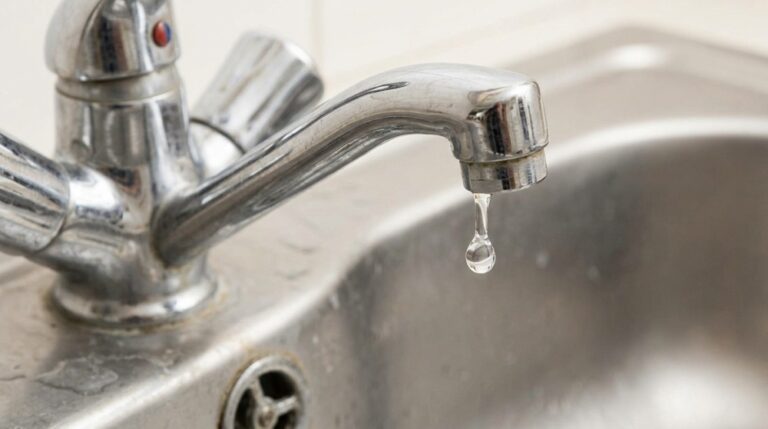
A dripping faucet or running toilet wastes both water and the energy used to heat that water, making prompt repairs a simple efficiency win.
Optimize Windows and Doors
Use Window Coverings Strategically
Closing curtains in summer blocks heat, while opening them in winter allows natural warmth in, reducing reliance on heating and cooling systems.
Consider Energy-Efficient Windows
While a bigger investment, double-pane or energy-efficient windows significantly reduce heat transfer compared to older single-pane windows, especially in extreme climates.
Add Door Sweeps
A simple door sweep prevents drafts under exterior doors, an easy and inexpensive fix for a common source of air leakage.
Everyday Habits That Add Up
Unplug Idle Electronics
Many devices draw power even when turned off. Unplugging chargers, gaming consoles, and small appliances when not in use reduces this “phantom” energy draw.
Wash Clothes in Cold Water
Cold water washing uses significantly less energy than hot water cycles and works well for most everyday laundry loads.
Run Full Loads
Running dishwashers and washing machines only with full loads maximizes efficiency per cycle, reducing the number of cycles needed overall.
Consider Renewable Energy Options
Explore Solar Panels
For homeowners ready for a bigger investment, solar panels can significantly reduce or even eliminate electricity costs over time, with many regions offering tax incentives or rebates to offset installation costs.
Final Thoughts
Energy efficiency doesn’t require choosing between comfort and savings. By sealing leaks, upgrading key systems, adjusting daily habits, and making strategic investments over time, homeowners can meaningfully lower utility bills while creating a more comfortable, sustainable living space.