
Plumbing issues rarely happen without warning. Most problems build gradually, and understanding the common culprits—along with simple prevention habits—can save homeowners from costly emergency repairs down the line.
Clogged Drains
What Causes It
Hair, soap scum, grease, and food debris are the most common causes of clogged drains, gradually building up inside pipes until water flow slows or stops entirely.
How to Prevent It
Use drain covers to catch hair and debris, avoid pouring grease down kitchen sinks, and periodically flush drains with hot water to help prevent buildup before it becomes a serious clog.
Leaky Faucets
What Causes It
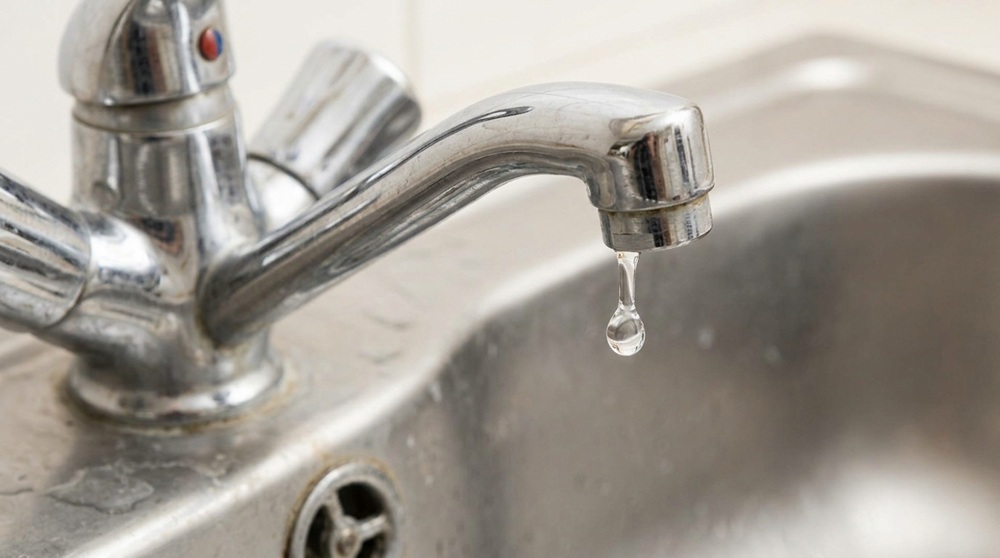
Worn-out washers, O-rings, or valve seats are typically responsible for the slow drip that characterizes a leaky faucet, often worsening gradually over time.
How to Prevent It
Replacing worn internal components at the first sign of dripping prevents both wasted water and the mineral buildup that can make repairs more difficult later.
Running Toilets
What Causes It
A running toilet is usually caused by a faulty flapper, fill valve, or flush valve that fails to seal properly after each flush.
How to Prevent It
Periodically checking and replacing worn flapper valves is a simple, low-cost fix that prevents the significant water waste a running toilet causes over time.
Low Water Pressure
What Causes It
Low water pressure often results from mineral buildup in pipes or fixtures, hidden leaks, or issues with the municipal water supply.
How to Prevent It
Regularly cleaning faucet aerators and showerheads to remove mineral deposits helps maintain consistent water pressure, especially in areas with hard water.
Pipe Leaks
What Causes It
Corrosion, high water pressure, temperature fluctuations, and shifting pipe joints can all lead to leaks, sometimes hidden behind walls or under floors.
How to Prevent It
Monitoring water bills for unexplained increases and scheduling periodic plumbing inspections can help catch hidden leaks before they cause significant water damage.
Water Heater Issues
What Causes It
Sediment buildup, worn heating elements, or an aging tank can cause water heaters to produce inconsistent temperatures or fail altogether.
How to Prevent It
Flushing the water heater tank annually to remove sediment buildup extends the unit’s lifespan and helps maintain consistent performance.
Sewer Line Backups
What Causes It
Tree root intrusion, grease buildup, or foreign objects flushed down toilets are common causes of sewer line blockages, often leading to backups throughout the home.
How to Prevent It
Avoid flushing anything other than toilet paper, and consider periodic professional sewer line inspections for homes with older pipes or large trees near the sewer line.
Frozen Pipes
What Causes It
Pipes located in unheated or poorly insulated areas are vulnerable to freezing during cold weather, which can lead to cracked pipes and significant water damage once they thaw.
How to Prevent It
Insulating exposed pipes and allowing faucets to drip slightly during extreme cold helps prevent pressure buildup that leads to frozen, burst pipes.
Garbage Disposal Problems
What Causes It
Overloading the disposal, or putting fibrous foods, bones, or grease down it, is a common cause of jams and mechanical issues.
How to Prevent It
Running cold water while using the disposal and avoiding hard or fibrous materials helps the unit function properly and extends its lifespan.
General Prevention Habits
Schedule Routine Inspections
Periodic professional plumbing inspections can catch small issues, like minor leaks or early corrosion, before they escalate into major repairs.
Know Your Shutoff Valve Location
Knowing where the main water shutoff valve is located allows for a fast response in the event of a sudden leak or pipe burst, minimizing potential water damage.
Be Mindful of What Goes Down Drains
Many common plumbing problems stem from what enters pipes in the first place. Being mindful of what’s flushed or rinsed down drains prevents a significant share of common issues.
Final Thoughts
Most plumbing problems develop gradually and give warning signs before becoming serious. By understanding common causes and adopting simple prevention habits—like mindful drain use, regular maintenance, and periodic inspections—homeowners can avoid the majority of costly plumbing emergencies before they start.