———
A flat, isolated image of a t-shirt or a phone screen on a plain white background rarely convinces anyone to buy anything. People don't purchase pixels — they purchase the feeling of owning something. This is why smart designers stopped presenting bare products and started presenting scenes. A well-made Mockup doesn't just display an object; it tells a short story about where that object belongs in someone's life.
The Psychology Behind Context
Human brains process scenes faster than isolated objects. When a shopper sees a coffee mug on pure white, they see a mug. When they see the same mug on a wooden desk next to a laptop and a half-read book, they see their own morning routine. That shift, from "product" to "moment," is what actually drives conversions. Studies on visual merchandising consistently show contextual imagery raises perceived value and trust more than sterile studio shots.
Real Businesses, Real Results
This isn't theoretical, it's easy to verify across different industries:
- Etsy sellers frequently report that listings with lifestyle photography of handmade jewelry worn by a model outperform flat-lay shots of the same piece.
- Print-on-demand platforms such as Printful and Redbubble openly recommend creators show apparel on real people in real settings instead of plain cutouts, because click-through rates are measurably higher.
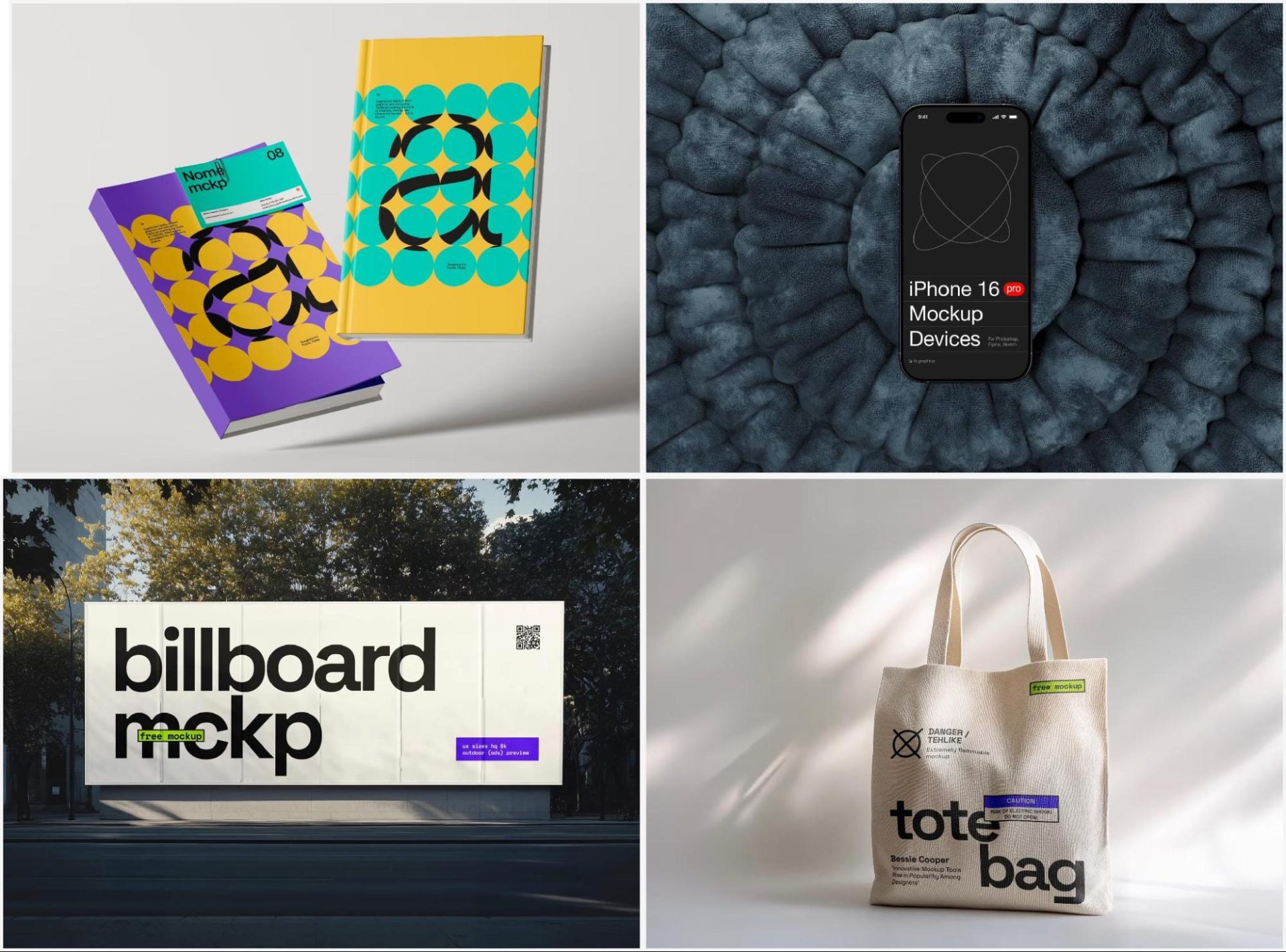
- Shopify store owners launching a new product line often skip expensive photo shoots entirely and instead drop their artwork onto a realistic template from a resource like ls.graphics — a hoodie on a model walking a city street, or a framed poster hanging in a stylish apartment.
- App developers do something similar for App Store listings: rather than a bare screenshot, they place the interface inside a photographed hand holding a phone in a coffee shop, signaling instantly that the app fits into daily life.
- Design agencies pitching a new logo or package design rarely present it on a blank canvas either. They wrap it around an actual product — a wine label on a real bottle photographed on a rustic table, or business cards fanned across a walnut desk under natural light.
Clients and customers alike approve concepts and click "buy" faster when they can picture the final result in a believable setting rather than an abstract render.
What Actually Makes a Scene Convincing
Not every staged image works equally well. The strongest examples tend to share a few traits:
- Believable lighting and shadows that match the surrounding environment
- A setting that matches the target buyer's real life, not a generic studio
- Enough surrounding detail to suggest a story, without cluttering the product itself
- A camera angle a real customer might actually use when photographing their own purchase
Skip any one of these and the illusion breaks. A poster mockup with shadows falling the wrong direction, or apparel pasted onto a body with no attention to fabric folds, reads as fake and undermines the trust it was meant to build.
This is also why context has to be relevant, not just pretty. A tech gadget photographed on a minimalist desk works for a productivity brand, but the same scene would feel out of place for a rugged outdoor product, which needs dirt, weather, and movement in the frame instead.
Kickstarter campaigns learned this the hard way years ago: backers repeatedly funded projects that showed the product being used on a hike, in a kitchen, or at a jobsite far more readily than projects that only showed a clean render spinning on a turntable. Context isn't decoration, it's evidence that the product actually works in the conditions a buyer cares about.
The Cost of Getting It Wrong
Skipping context doesn't just mean a weaker listing, it carries a measurable downstream cost. Retailers relying on bare, studio-only shots for apparel and home goods tend to see higher return rates, because customers form an inaccurate mental picture of size, texture, or how something will look in their own space. A shirt that looks fine on a mannequin can look completely different once a buyer imagines it on themselves, and without a lifestyle scene to fill that gap, the buyer's imagination often gets it wrong.
The same problem shows up in B2B decks and crowdfunding pages. Packaging shown flat, with no sense of scale, forces a client to guess how it will look on a shelf. A gadget spinning on a bare render forces a backer to guess how it feels in daily use. That guesswork slows decisions, while a convincing contextual scene removes it and shortens the path from "interesting" to "sold."
The Bottom Line
A product photographed in isolation is a fact. A product photographed in context is a promise — a small glimpse of the life a customer could have after clicking "buy." Sellers who understand this stop asking "does this image show my product clearly" and start asking "does this image show my customer's future clearly." That single shift in framing, more than any lighting trick or camera upgrade, is usually what separates a listing that sells from one that quietly sits ignored.