

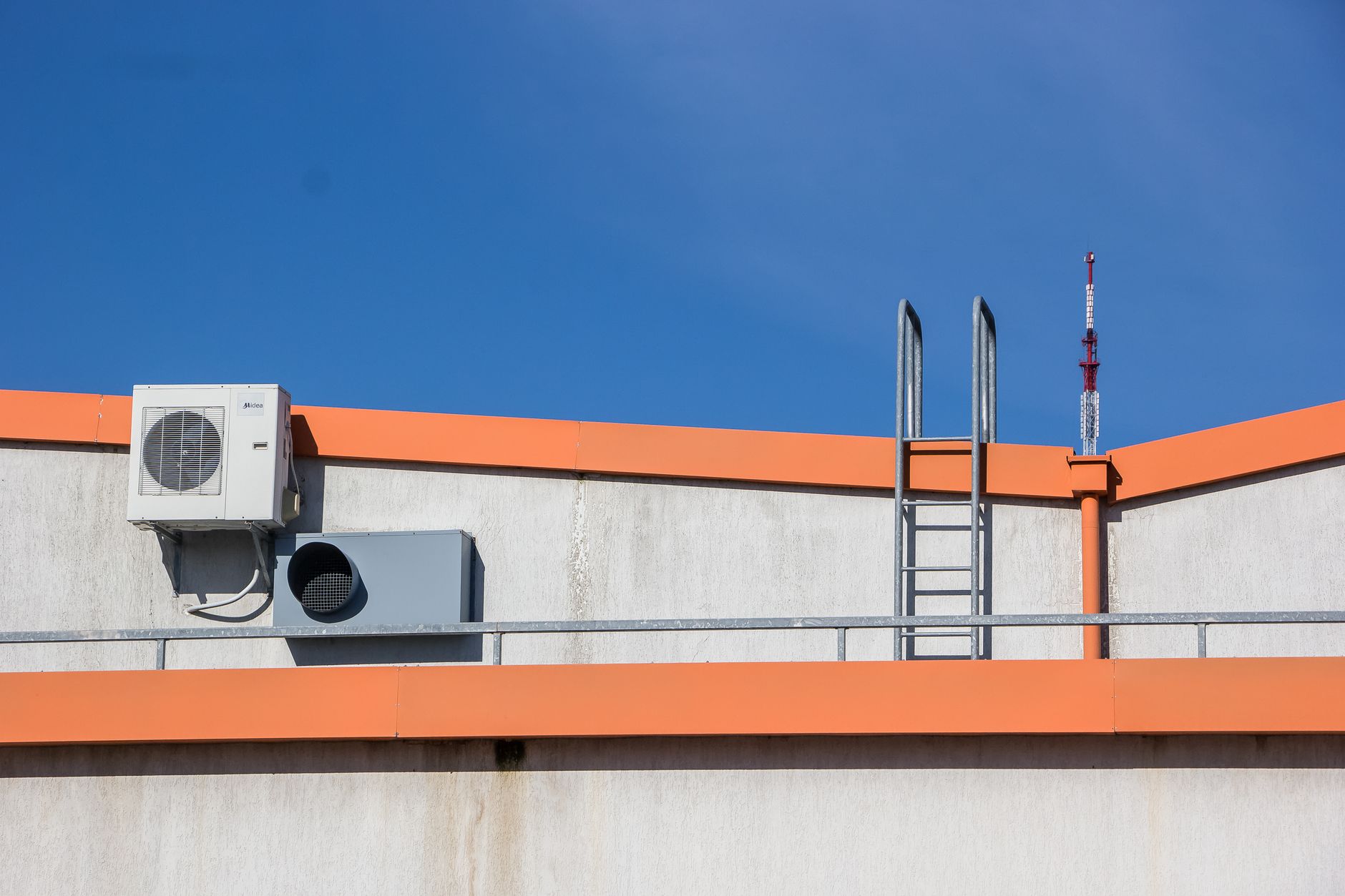
Heating and cooling systems are essential for maintaining comfortable and functional indoor environments throughout the year. Whether a building depends on heating equipment during colder periods or air conditioning during warmer conditions, reliable HVAC performance can influence comfort, energy use, indoor air quality, and daily operations. Because these systems contain mechanical, electrical, and airflow components that work together, neglecting one part can eventually affect the entire system. HVAC maintenance provides a structured approach to keeping equipment clean, inspected, adjusted, and operating properly. Regular attention can help identify developing problems before they result in expensive breakdowns or unexpected interruptions. It can also support better energy efficiency by ensuring that equipment does not have to work harder than necessary. A well-planned maintenance routine considers filters, coils, motors, electrical connections, drainage, controls, airflow, and other important components. Businesses and property owners who understand the value of preventive care can make better decisions about service schedules and long-term equipment management.
Understanding the Importance of Preventive HVAC Care
HVAC equipment is often expected to operate for many hours, sometimes every day, which naturally places stress on its components. Dust, dirt, moisture, vibration, temperature changes, and normal wear can gradually affect performance. A system may continue operating even when efficiency has already declined, making problems difficult to notice until they become more serious. Preventive maintenance helps detect these conditions through regular inspections and service. Technicians can examine important components, identify unusual wear, and recommend corrective action before a complete failure occurs. This approach can be particularly valuable for larger systems because unexpected downtime may affect many occupants or interrupt business activities. Routine care also provides an opportunity to review operating settings and determine whether equipment is functioning according to its intended specifications. Instead of waiting for an emergency, property owners can schedule maintenance at appropriate intervals. This makes HVAC care more predictable and can contribute to longer equipment life and more reliable daily performance.
Recognizing Common HVAC Warning Signs
HVAC systems often provide noticeable warning signs when something is not functioning correctly. Uneven temperatures between rooms may indicate airflow restrictions, thermostat problems, ductwork concerns, or mechanical issues. Weak airflow from vents can also suggest clogged filters, blocked ducts, fan problems, or other restrictions. Strange sounds such as rattling, grinding, buzzing, or squealing should be investigated because they may indicate loose or worn components. Unusual odors can sometimes result from dirty equipment, moisture, electrical concerns, or other conditions that require attention. Water around an indoor unit may indicate a blocked drain, condensation issue, or another problem. Increasing energy consumption without a clear change in building use may also suggest that equipment is losing efficiency. These signs should not automatically be treated as normal aging. Reporting unusual behavior early gives technicians an opportunity to determine the cause before the problem becomes more difficult to resolve. Employees and occupants should know how to report persistent HVAC concerns so they can be evaluated promptly.
Evaluating these warning signs promptly helps prevent sudden mechanical failures and avoids unnecessary wear on internal components. Finding reliable hvac near me allows property owners to arrange timely diagnostic checks, addressing airflow restrictions or unusual sounds before minor operational issues turn into widespread heating and cooling disruptions.
Creating a Consistent Maintenance Schedule
A consistent maintenance schedule is one of the most effective ways to keep HVAC equipment in good operating condition. The appropriate frequency depends on the type of equipment, operating hours, environmental conditions, manufacturer recommendations, and building usage. Filters may require more frequent attention in dusty environments, while heavily used systems may need inspections more often than equipment that operates occasionally. Maintenance schedules should identify specific tasks rather than simply stating that equipment needs to be checked. Important tasks can include filter inspection, coil cleaning, electrical checks, drainage inspection, airflow evaluation, thermostat testing, and examination of moving components. Keeping a written or digital schedule helps prevent important tasks from being overlooked. Service records should also be updated after each inspection so that future technicians can understand what has been completed. A consistent approach allows businesses to identify recurring problems and plan repairs more effectively. It also helps transform HVAC care from a reactive process into a predictable part of building management.
Keeping Filters Clean and Effective
Air filters are relatively simple components, but they play an important role in HVAC performance. Their purpose is to capture airborne particles before they circulate through the system and occupied areas. As filters collect dust and debris, airflow can become restricted. When airflow is reduced, the system may have to operate longer to achieve the desired temperature, which can increase energy consumption and place additional stress on components. The appropriate filter type and replacement interval depend on the equipment and building conditions. A filter that is suitable for one system may not be appropriate for another, so replacement should follow equipment requirements. During routine HVAC maintenance, technicians can inspect filters and determine whether they are becoming excessively dirty or restricted. Property staff should also monitor conditions between professional visits when appropriate. Keeping filters in suitable condition supports airflow, equipment efficiency, and indoor air quality. A simple filter issue can sometimes create larger performance problems if it is ignored for an extended period.
Inspecting Coils, Fans, and Moving Components
HVAC systems rely on coils and moving components to transfer heat and circulate air. Dirt and debris can accumulate on coils over time, reducing their ability to exchange heat effectively. Fans and motors may also experience wear, vibration, or lubrication requirements depending on their design. Belts, bearings, and other mechanical components can deteriorate through normal use. Regular inspection allows technicians to identify unusual wear before it causes complete failure. Cleaning should be performed using methods appropriate for the equipment so that sensitive components are not damaged. Excessive vibration or unusual sounds can provide additional clues about mechanical problems. A fan that is not operating correctly may reduce airflow throughout the building and place additional strain on the system. Addressing these issues early can improve reliability and reduce the possibility of more expensive repairs. Proper inspection of moving and heat-transfer components is therefore an important part of maintaining consistent HVAC performance.
Checking Electrical Connections and Controls
Electrical components and control systems play a major role in modern HVAC operation. Loose connections, damaged wiring, faulty sensors, and malfunctioning controls can prevent equipment from operating correctly. A system may fail to start, cycle too frequently, or operate at inappropriate times because of an electrical or control problem. Thermostats and sensors should provide accurate information so that the system can respond appropriately to changing indoor conditions. Automated building controls may also require periodic inspection to ensure that schedules and settings remain suitable. Electrical work should be handled by appropriately trained professionals because energized components can present serious hazards. During scheduled service, technicians can inspect relevant connections, controls, and safety devices and identify signs of wear or overheating. Proper control operation can also support energy efficiency by preventing unnecessary heating or cooling. Maintaining these components helps ensure that mechanical equipment receives the correct operating signals and functions as intended.
Regular checkups on wiring and sensors help prevent sudden system failures during peak heating or cooling seasons. Consulting established contractors like NexGen Heating & Air Conditioning, LLC allows property managers to verify that electrical components remain properly calibrated, supporting consistent indoor comfort and preventing unnecessary system wear.
Protecting Indoor Air Quality
HVAC equipment affects indoor air quality by filtering and circulating air throughout a building. Poorly maintained systems may contribute to dust, unpleasant odors, excess humidity, or inconsistent ventilation. Clean filters can help reduce airborne particles, while proper ventilation supports the movement of fresh air. Moisture problems require particular attention because excessive humidity can create conditions that encourage mold growth and other building concerns. Drainage systems should therefore be inspected to ensure that condensate can move away from equipment properly. Indoor air quality can also be affected by occupancy levels, cleaning activities, outdoor air, building materials, and other factors. HVAC maintenance alone cannot solve every indoor air quality issue, but it can help ensure that the heating and cooling system is not contributing unnecessarily. Property managers should take reports of persistent odors, humidity problems, or unusual airflow seriously. A professional inspection can help determine whether HVAC components are involved and what corrective actions may be appropriate.
Improving Energy Efficiency
Energy efficiency is an important consideration because HVAC systems can account for a significant portion of building energy consumption. Equipment that is dirty, poorly adjusted, or mechanically stressed may operate longer than necessary. Restricted airflow, dirty coils, damaged ductwork, incorrect thermostat settings, and failing components can all contribute to higher energy use. Regular service can help identify conditions that reduce system efficiency. Building controls should also be reviewed to ensure that heating and cooling schedules match occupancy patterns. There is little benefit in operating equipment continuously at full capacity when spaces are unoccupied unless building requirements make such operation necessary. Insulation, windows, doors, and other building features can also influence HVAC workload. A complete energy strategy should therefore consider both the equipment and the building envelope. When systems are properly maintained and controls are used effectively, businesses may reduce unnecessary energy consumption while maintaining suitable indoor comfort. Monitoring energy use over time can also help identify unusual changes that deserve investigation.
Local Texas electricity costs can play a role in determining how HVAC efficiency affects a business’s overall operating expenses. Combining appropriate equipment schedules with building improvements can help reduce unnecessary energy use while maintaining comfortable indoor conditions.
Preparing Heating Systems for Reliable Operation
Heating equipment should receive appropriate attention before periods of heavy use. Depending on the building, heating may be provided by furnaces, heat pumps, boilers, rooftop units, or other systems. Components can develop problems through normal wear, especially when equipment has been operating for several years. Ignition problems, restricted airflow, faulty controls, worn motors, damaged belts, and electrical issues can affect heating performance. Combustion-based systems require additional safety considerations because improper operation may create serious risks. Technicians should inspect relevant components and verify that equipment operates according to appropriate requirements. Filters, airflow pathways, controls, and mechanical components should also be checked. Scheduling service before peak demand gives businesses more time to address developing problems without the pressure of an emergency. It can also help ensure that employees and occupants remain comfortable when heating becomes necessary. Proper preparation supports reliable performance and reduces the likelihood of an unexpected interruption.
When unexpected heating failures occur despite preventive efforts, quick professional intervention becomes essential for restoring warmth and safety. Engaging a dedicated furnace repair service helps identify underlying mechanical issues, resolve ignition faults, and restore proper airflow before cold weather creates severe indoor discomfort or safety hazards.
Maintaining Cooling Systems
Cooling systems also require regular attention to remain dependable during periods of high demand. Air conditioning equipment depends on compressors, coils, fans, controls, drainage systems, and refrigeration components working together. A dirty coil can reduce heat transfer, while restricted airflow can affect cooling performance and place additional strain on equipment. Drainage problems may cause water accumulation around indoor components. A system that runs continuously without maintaining the desired temperature should be inspected rather than simply adjusted to a lower setting. Refrigeration-related concerns require trained professionals because specialized procedures and equipment may be involved. Property staff should not attempt complex refrigerant or electrical work without appropriate training. Regular inspection can identify developing issues before they cause major component failure. Keeping filters clean, coils maintained, drains clear, and airflow pathways unobstructed supports better cooling performance. Preventive service is particularly valuable before periods when air conditioning systems are expected to operate for extended hours.
Maintaining consistent cooling during warm weather requires evaluating system performance before heavy usage begins. Working with established contractors like Vallee Air Conditioning and Heating helps property owners address minor operational issues early, which supports steady indoor comfort and keeps energy use manageable throughout the summer months.
The Role of Professional Inspections
Professional inspections can identify problems that may not be obvious during routine visual checks. Trained technicians can use appropriate tools and diagnostic methods to evaluate equipment performance, electrical conditions, airflow, temperature differences, controls, and mechanical components. They can also compare current performance with previous service records to identify changes over time. Professional inspections are particularly useful for complex commercial systems containing multiple interconnected components. During HVAC maintenance, technicians can identify worn parts, unusual readings, drainage concerns, and other conditions that may eventually lead to failure. Businesses should select service providers based on relevant training, experience, insurance, references, and familiarity with similar equipment. Clear communication is also important because property managers should understand what was inspected, what problems were identified, and what recommendations were made. Complex building systems often benefit from established oversight routines that go beyond basic visual checks. Working with an experienced HVAC contractor helps facility managers establish consistent diagnostic schedules, evaluate component wear accurately, and plan necessary system updates before minor operational issues turn into major disruptions. Professional inspections provide an additional layer of protection and help businesses make informed decisions about repairs and replacement.
Deciding Between Repair and Replacement
Eventually, every HVAC system reaches a point where repairs may no longer provide the best long-term value. The decision should consider equipment age, repair history, operating efficiency, availability of replacement components, frequency of breakdowns, and expected remaining service life. A relatively new system with one damaged component may be a good candidate for repair, while an aging system with repeated failures may justify replacement. Businesses should compare immediate repair costs with the expected future expenses of maintaining older equipment. Energy consumption should also be considered because newer systems may offer improved efficiency, although the initial investment can be significant. Professional evaluation can help determine whether another repair is likely to provide dependable service. Making the decision based solely on the lowest immediate cost may result in repeated expenses later. A broader assessment of reliability, efficiency, downtime, and future maintenance requirements can lead to a more practical long-term choice.
Keeping Detailed Service Records
Accurate service records help property owners and facility managers understand how their HVAC systems are performing over time. Records can include installation information, inspection dates, repairs, replaced components, filter changes, technician observations, and recurring problems. This information can reveal patterns that may not be obvious from individual service visits. For example, repeated failure of the same component may indicate an underlying issue that needs further investigation. Maintenance records can also help managers prepare annual budgets and anticipate major equipment expenses. Digital systems can make it easier to schedule inspections and track multiple units, although organized paper records can also be useful. When technicians have access to a complete service history, they may be able to diagnose problems more quickly and avoid repeating unnecessary work. Documentation also helps ensure that routine tasks are not forgotten. A well-maintained record is therefore a valuable tool for long-term equipment planning and building management.
Final Thoughts
Reliable HVAC performance depends on regular attention, timely service, and informed decisions. HVAC maintenance is not simply a routine expense; it is an important part of protecting equipment, controlling energy use, supporting indoor comfort, and reducing unexpected breakdowns. Regular inspections can identify problems involving filters, coils, electrical components, controls, airflow, drainage, and mechanical parts before they become major failures. Preventive service can also help equipment operate more efficiently and extend its useful life. Businesses and property owners should maintain accurate service records, monitor warning signs, and schedule professional inspections at suitable intervals. When equipment becomes older or repairs become increasingly frequent, replacement should be evaluated based on long-term costs and expected performance rather than the immediate price alone. A well-organized maintenance strategy provides greater predictability and helps protect the investment made in essential heating and cooling equipment. By combining preventive care, professional service, energy-conscious practices, and timely repairs, property owners can maintain dependable HVAC systems and create more comfortable, efficient, and reliable indoor environments for years to come.









2 thoughts on “A Practical Guide to HVAC Maintenance, Preventive Care, Energy Efficiency, and Long-Term Equipment Reliability”
Comments are closed.