

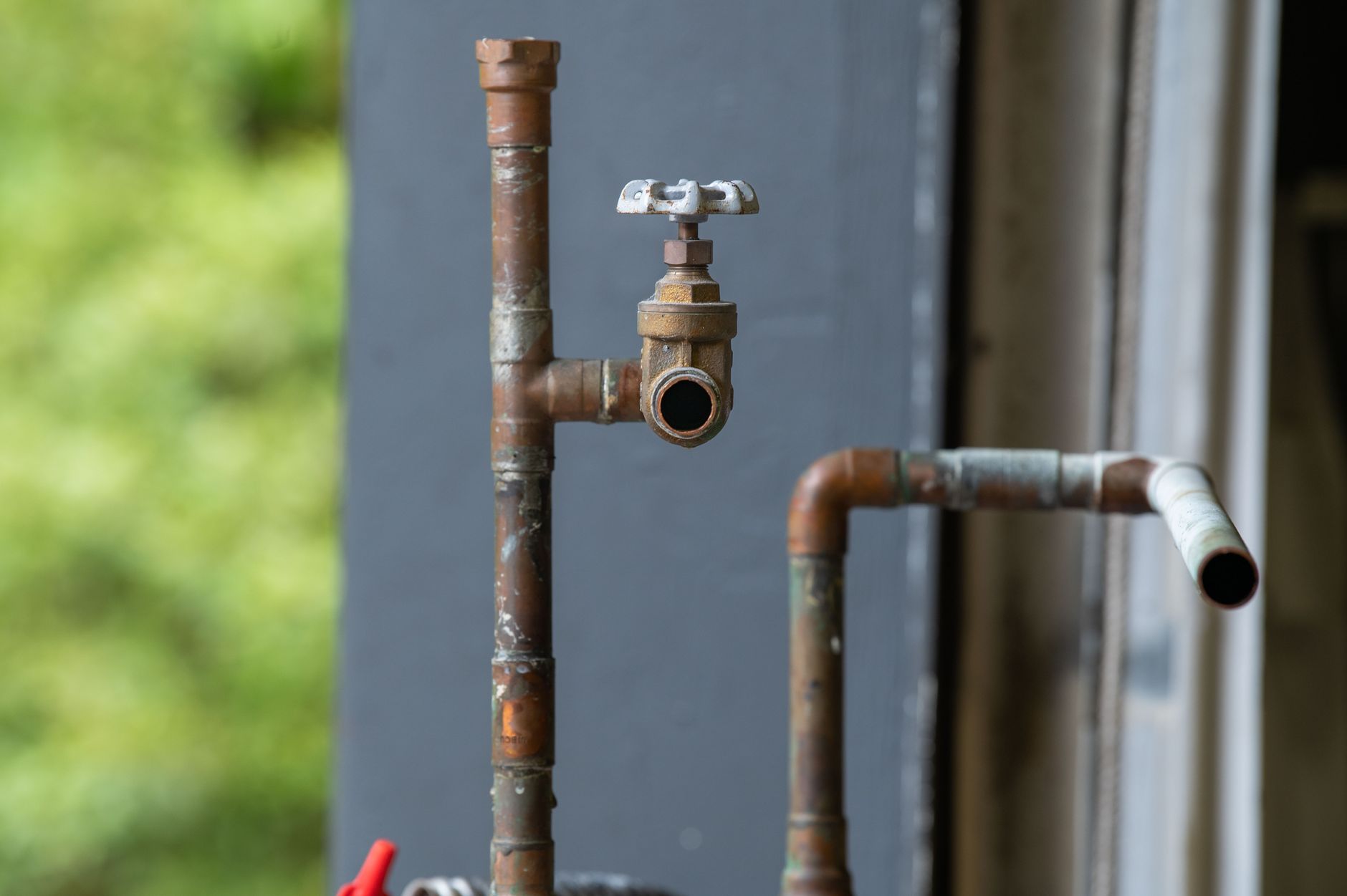
Plumbing is one of the most important systems in a commercial property, yet it is often overlooked until something goes wrong. Businesses depend on functioning water supply, drainage, fixtures, sewer systems, and other plumbing components every day. A leaking pipe, blocked drain, failing water heater, or malfunctioning restroom fixture can quickly disrupt normal operations and create unnecessary expenses. For this reason, many property owners and facility managers use commercial plumbing maintenance programs to keep their systems inspected, serviced, and operating reliably.
A planned maintenance approach is different from simply calling a plumber whenever an emergency occurs. Instead of waiting for a failure, routine maintenance focuses on identifying developing problems before they cause major disruption. Scheduled inspections, preventive repairs, equipment servicing, documentation, and system monitoring can help extend the useful life of plumbing components while reducing unexpected downtime. A well-designed program can also be adapted to the age, size, usage, and specific plumbing requirements of a commercial building.
Understanding Commercial Plumbing Maintenance
Commercial plumbing maintenance involves regularly inspecting and servicing the plumbing systems used by businesses, offices, retail properties, restaurants, industrial facilities, apartment buildings, healthcare facilities, and other commercial structures. The scope of maintenance depends on the property and may include water supply lines, drains, sewer connections, water heaters, pumps, backflow prevention devices, restrooms, faucets, toilets, valves, and other plumbing equipment.
The primary purpose is to keep these systems functioning efficiently and identify potential problems before they become emergencies. Maintenance professionals may inspect components for leaks, corrosion, wear, blockages, pressure issues, and other signs of deterioration.
A maintenance program can be scheduled monthly, quarterly, semiannually, annually, or according to equipment requirements. Properties with heavy water usage or complex plumbing systems may require more frequent inspections than smaller facilities with simpler systems.
Why Preventive Plumbing Maintenance Matters
Unexpected plumbing failures can be expensive for commercial properties. A burst pipe can damage walls, flooring, furniture, inventory, electrical components, and other building systems. A major drain blockage can make restrooms unusable and disrupt business operations.
Preventive maintenance helps reduce the likelihood of these failures by identifying smaller problems before they develop into major incidents. A minor leak around a valve, for example, may be repaired relatively easily when discovered during a scheduled inspection. If ignored, the same leak could eventually damage surrounding materials or contribute to corrosion.
Regular maintenance can also improve operational reliability. Employees, customers, tenants, and visitors expect commercial plumbing systems to function properly. Clean, working restrooms and reliable water service contribute to a more professional and comfortable environment.
Key Components of a Commercial Plumbing Maintenance Program
A comprehensive program typically begins with a detailed inspection of the property’s plumbing system. The maintenance professional reviews visible and accessible components and identifies conditions that may require attention.
Water supply lines should be checked for leaks, corrosion, damaged connections, and pressure-related issues. Valves should be inspected to ensure they can operate properly when water needs to be isolated during repairs or emergencies.
Drainage systems should also be evaluated. Slow drains, recurring odors, gurgling sounds, or repeated backups may indicate developing problems within the drainage system. Addressing these symptoms early can reduce the likelihood of a larger blockage.
Regular drain cleaning and pipe checks are critical for preventing unexpected backups that disrupt daily business operations. Consulting a specialist like 702 PlumbAIR helps maintain clear drainage lines and ensures overall system performance remains consistent over time. Identifying minor restrictions before they develop into severe clogs protects commercial infrastructure and minimizes expensive emergency repairs.
Restroom fixtures deserve regular attention because they often experience heavy daily use. Toilets, urinals, faucets, sinks, flush valves, and other fixtures can develop leaks or mechanical problems over time.
Water heaters and related equipment should be inspected according to manufacturer requirements. Sediment buildup, corrosion, pressure problems, and failing components can affect performance and increase the likelihood of an unexpected outage.
Regular Inspection of Water Supply Lines
Water supply systems are essential to commercial operations. They deliver water to restrooms, kitchens, break rooms, mechanical equipment, cleaning areas, and other parts of a building. A problem in a major supply line can affect multiple areas at once.
During maintenance visits, accessible pipes and connections can be checked for visible leaks, corrosion, condensation, and deterioration. Insulation around certain pipes may also need to be inspected to ensure it remains in good condition.
Coordinating mechanical inspections alongside plumbing evaluations helps maintain overall system functionality and energy balance throughout commercial facilities. Property managers can learn this here now to understand how combining regular checks of heating, cooling, and pipe infrastructure prevents unexpected equipment strain and supports long-term operational efficiency.
Maintaining balanced indoor temperatures also relies heavily on overall facility management, where plumbing and climate systems work together. Property owners managing commercial facilities in Jackson, MS often coordinate routine pipe inspections with heating and cooling checks to ensure overall operational efficiency. Taking a comprehensive approach to building systems helps reduce unexpected maintenance issues and supports consistent indoor comfort throughout the year.
Water pressure should be monitored when appropriate. Excessively high pressure can place additional stress on fixtures, valves, and supply lines, while insufficient pressure can affect equipment performance and user comfort.
Older buildings may require additional attention because aging pipes can become more vulnerable to corrosion, mineral buildup, or deterioration at connections. Regular inspection provides an opportunity to monitor these conditions and plan replacement before a major failure occurs.
Drain and Sewer Maintenance
Drainage problems can cause significant disruption in commercial buildings. A slow drain may initially seem like a minor inconvenience, but recurring restrictions can eventually result in complete blockages and wastewater backups.
A preventive maintenance program may include cleaning drains in areas that experience frequent buildup. Restaurants and food-service facilities may require especially careful attention because grease and food-related debris can accumulate in drainage systems.Main sewer lines can also benefit from periodic evaluation, particularly in older properties or buildings with a history of backups. Professional inspections can identify buildup, root intrusion, damaged pipes, or other conditions that could restrict wastewater flow.
Routine maintenance should focus on the cause of recurring drainage problems rather than simply clearing blockages whenever they occur. Identifying the underlying issue can help create a more reliable long-term solution.
Commercial Restroom Maintenance
Restrooms often receive some of the heaviest plumbing use in a commercial building. Even small fixture problems can become noticeable quickly when a facility has a large number of employees, customers, tenants, or visitors.
Toilets should be checked for leaks, running water, weak flushing, damaged handles, and worn internal components. Urinals and flush valves should receive similar attention where applicable.Faucets should be inspected for dripping, loose components, poor water flow, and damaged connections. A seemingly small faucet leak can waste water continuously and contribute to higher utility costs.
Sinks and drains should also be evaluated for slow drainage and buildup. Regular cleaning and maintenance can help keep restroom plumbing functional and reduce unpleasant odors.
Water Heater Maintenance
Commercial water heaters can be critical to businesses that require reliable hot water. Restaurants, hotels, healthcare facilities, fitness centers, laundries, and many other properties may depend heavily on hot water systems.
Maintenance can include inspecting connections, checking for leaks, evaluating pressure-related components, and looking for signs of corrosion or sediment accumulation. The specific maintenance requirements depend on the type of water heater and manufacturer’s recommendations.Sediment can accumulate in some water-heating systems and affect efficiency or performance. Routine servicing can help identify buildup and determine whether flushing or other maintenance is appropriate.
Commercial water heaters may also have more complex controls and safety components than smaller residential systems. Professional maintenance can help ensure these systems remain in suitable operating condition. Commercial hot water demands often require specialized oversight to prevent pressure fluctuations and unexpected downtime during peak business hours. Partnering with experienced technicians like Kinsmen Service Pros helps facility managers maintain consistent water temperatures and ensure major mechanical components remain reliable throughout years of daily commercial use.
Backflow Prevention and Water Safety
Backflow prevention is an important consideration for many commercial plumbing systems. Backflow occurs when water flows in an unintended direction, potentially allowing contaminants to enter a potable water supply.
Certain commercial properties may require backflow prevention devices because of the nature of their plumbing systems or activities. These devices need to be maintained and tested according to applicable requirements.
A professional maintenance program can help property managers keep track of testing schedules and identify devices that require service. Documentation is particularly important when testing or inspection records must be maintained.Because water quality can have significant health implications, backflow prevention should be handled according to applicable codes, regulations, and professional requirements.
Leak Detection and Early Warning Signs
Leaks are among the most common plumbing problems in commercial properties. Some are obvious, such as water dripping from a pipe, while others may remain hidden inside walls, ceilings, floors, or mechanical spaces.
Unexplained increases in water usage can sometimes indicate a hidden leak. Damp areas, staining, peeling paint, musty odors, or unusually warm spots can also provide clues depending on the location of the plumbing.
Routine maintenance gives professionals an opportunity to look for these warning signs before the damage becomes extensive. Some commercial properties may also benefit from water monitoring or leak detection technology that can alert facility managers to unusual consumption patterns.
The sooner a leak is discovered, the easier it may be to control its impact. Early intervention can reduce water waste and protect surrounding building materials.
Maintenance Scheduling and Planning
A successful maintenance program needs a consistent schedule. Instead of relying on memory or waiting for problems, property managers can establish recurring inspections based on the building’s needs.
Some components may require monthly attention, while others may be suitable for quarterly or annual inspection. High-use facilities may require more frequent service.Scheduling should also account for the property’s operating hours. Plumbing maintenance can sometimes be performed during evenings, weekends, or other low-occupancy periods to reduce disruption.
A maintenance calendar can help facility managers track completed inspections, recommended repairs, equipment servicing, and upcoming tasks. Consistent documentation makes it easier to identify recurring issues and plan future budgets.
Documentation and Maintenance Records
Detailed records are an important part of a commercial plumbing maintenance program. Documentation can include inspection dates, equipment information, identified problems, repairs completed, parts replaced, and recommendations for future work.
These records provide useful information when the property changes ownership, equipment reaches the end of its service life, or a recurring problem needs to be investigated.
Maintenance records can also help property managers prioritize repairs. If a particular valve, fixture, or drain has required repeated attention, replacing it may eventually be more practical than continuing to perform temporary repairs.Good documentation also supports better budgeting. Property owners can use maintenance history to anticipate major replacements instead of being forced to respond to unexpected failures.
Emergency Plumbing Response
Preventive maintenance does not eliminate every emergency. Pipes can still break, fixtures can fail, and unexpected blockages can occur. However, having an established maintenance relationship can make emergency response more organized.
A property manager should know how to shut off major water supplies and where important valves are located. Maintenance professionals can help identify these components during routine inspections.A good maintenance plan can also include procedures for responding to leaks, backups, water heater failures, and other plumbing emergencies. Knowing who to contact and what immediate steps to take can reduce confusion during a stressful situation.
Preventive maintenance and emergency response therefore work together. Routine service reduces risk, while an established response plan helps manage problems that cannot be prevented.
Benefits of Professional Maintenance
Commercial plumbing systems can be more complicated than residential systems because they often involve larger buildings, higher usage levels, multiple fixtures, specialized equipment, and more extensive drainage networks.
Professional plumbers have the equipment and experience necessary to inspect difficult-to-access components and diagnose recurring problems. They can also recognize early signs of deterioration that may not be obvious to non-specialists.Professional maintenance can help identify when a component should be repaired and when replacement is more practical. Working with an experienced contractor helps facility managers set up structured inspection schedules tailored to complex building setups. Partnering with a reliable team like Bruno Plumbing & Heating ensures that routine pipe checks, valve testing, and fixture assessments are performed systematically. This proactive care reduces operational risks, keeps utility bills manageable, and extends the overall operating lifespan of vital commercial property infrastructure. This can prevent property managers from repeatedly paying for temporary solutions.
Another advantage is consistency. When the same maintenance provider becomes familiar with a building, they can develop a better understanding of its plumbing layout, recurring issues, equipment history, and maintenance priorities.
Cost Considerations
The cost of a commercial plumbing maintenance program depends on the size and complexity of the property, the number of fixtures, equipment requirements, inspection frequency, and services included.
Although preventive maintenance represents an ongoing expense, it can help reduce certain unexpected costs. Emergency repairs often involve urgent labor, operational disruption, water damage, and replacement of damaged building materials.A maintenance program can make expenses more predictable by allowing property owners to plan for routine service and larger replacements. Rather than waiting for equipment to fail completely, managers can schedule repairs during appropriate periods.
The value of a maintenance program should therefore be measured not only by the cost of individual service visits but also by the potential reduction in downtime, water waste, emergency repairs, and premature equipment replacement.
Choosing a Commercial Plumbing Maintenance Provider
Selecting the right plumbing company is an important part of creating a successful maintenance program. Property managers should consider the provider’s experience with commercial buildings, range of services, response capabilities, and ability to maintain detailed records.
A provider should be able to explain what is included in the maintenance agreement and how emergency calls are handled. It is also useful to ask whether inspections include plumbing fixtures, water heaters, drainage systems, valves, and other important components.
Communication should be clear and consistent. Property managers need to know when maintenance is completed, what issues were discovered, which repairs are recommended, and which problems require immediate attention.
A good provider should also help prioritize recommendations instead of presenting every issue as equally urgent. This allows property owners to allocate budgets effectively and address the most important risks first.
Common Mistakes to Avoid
One common mistake is waiting until a plumbing system fails before performing maintenance. This reactive approach can result in greater expenses and more disruption than planned servicing.Another mistake is focusing only on visible fixtures. Problems can develop in pipes, valves, water heaters, drains, and other components that are less noticeable but equally important.
Ignoring recurring problems is also risky. If a toilet, drain, or pipe repeatedly requires repair, the underlying cause should be investigated rather than treated as a series of unrelated incidents.Poor documentation can create another problem. Without maintenance records, property managers may struggle to determine which components have been repaired, how often they fail, or when replacement should be considered.
Finally, attempting complex commercial plumbing work without suitable experience can increase the risk of leaks, code violations, equipment damage, and operational problems. Specialized systems should be handled by qualified professionals.
Long-Term Value of Preventive Plumbing Care
The value of commercial plumbing maintenance extends beyond preventing leaks and blockages. A well-maintained plumbing system can contribute to smoother building operations, better occupant experiences, and more predictable maintenance costs.
Routine inspections allow property managers to identify aging components and plan replacements before they fail unexpectedly. They can also reveal opportunities to improve water efficiency through fixture upgrades, leak correction, and equipment improvements.
For businesses, reducing plumbing-related downtime can be particularly valuable. A restaurant with a blocked drain, an office with unusable restrooms, or a facility without hot water may experience interruptions that extend beyond the direct cost of the plumbing repair.Preventive care supports the idea that maintenance is an ongoing investment rather than an expense that only becomes necessary during an emergency.
Final Thoughts on Commercial Plumbing Maintenance Programs
Commercial plumbing systems require consistent attention because they support many of the daily activities that keep a property operating. Water supply lines, drains, sewer connections, restrooms, water heaters, valves, and other components can all experience wear over time. Waiting for a complete failure can result in expensive repairs and significant disruption.
A well-designed maintenance program provides a structured way to inspect these systems, identify developing problems, schedule repairs, and maintain accurate records. Regular service can help property owners better understand the condition of their plumbing infrastructure and make informed decisions about repairs and replacement.
The most effective programs are tailored to the individual property. A small office may have different requirements from a restaurant, apartment building, hotel, healthcare facility, or industrial property. Usage levels, equipment, building age, plumbing design, and previous repair history should all influence the maintenance schedule.
Ultimately, commercial plumbing maintenance programs can provide valuable long-term benefits by promoting reliability, reducing avoidable emergencies, supporting efficient water use, and helping property managers plan expenses more effectively. With regular inspections, professional servicing, accurate documentation, and prompt attention to developing problems, a commercial plumbing system can remain dependable and functional for years to come.








1 thought on “The Benefits of Customized Commercial Plumbing Maintenance Programs for Business Properties”
Comments are closed.