

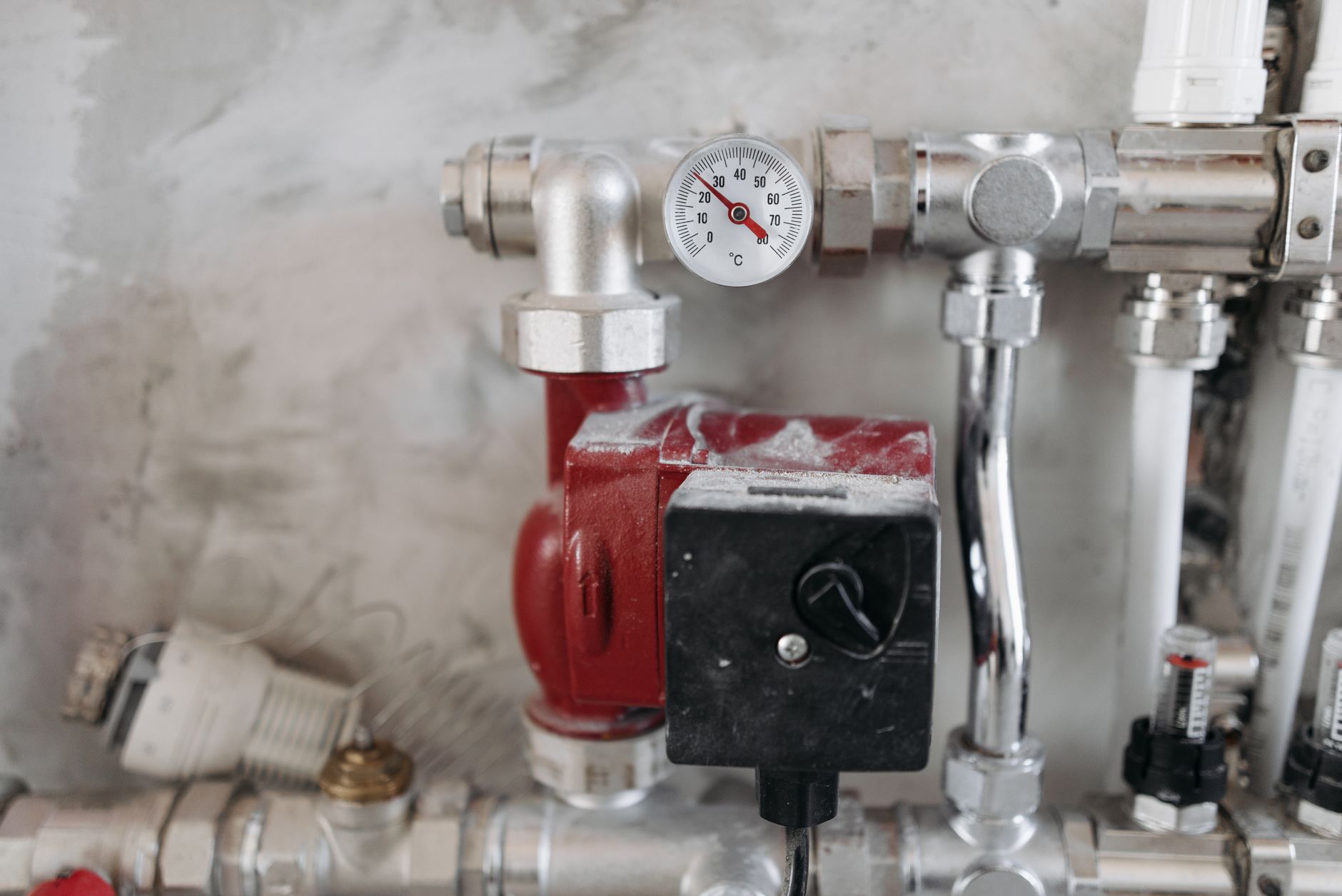
A reliable heating system is essential for maintaining a comfortable indoor environment during colder months, and a properly installed gas boiler can provide efficient and consistent heat throughout a property. However, installing a gas boiler is considerably more involved than simply replacing one appliance with another. The system needs to be correctly sized, appropriately connected, properly ventilated, and carefully tested to ensure safe and dependable operation. Professional gas boiler installation can help property owners avoid common problems while ensuring that the heating system is designed around the building's actual requirements.
A boiler is part of a larger heating system that may include radiators, underfloor heating, pumps, expansion vessels, thermostats, controls, pipework, and hot-water components. Every part needs to work together effectively. Choosing the right boiler while overlooking the rest of the system can result in poor efficiency, uneven heating, excessive energy consumption, or premature equipment problems. Careful planning before installation can therefore make a substantial difference to both immediate comfort and long-term operating costs.
Understanding How a Gas Boiler Works
A gas boiler uses natural gas or another approved gaseous fuel to generate heat. Depending on the type of system, that heat can be transferred to water used for space heating, domestic hot water, or both. Heated water is then circulated through radiators, underfloor heating systems, or other heat emitters to warm the building.
Modern boilers often include electronic controls, sensors, modulation technology, safety systems, and efficiency features designed to improve performance. Some systems are designed primarily for heating, while others combine heating and hot-water functions in a single appliance.
The boiler itself is only one component of the installation. Pipework, pumps, controls, flues, ventilation, drainage, and electrical connections all have important roles. This is why professional planning and installation are essential.
Choosing the Right Boiler
Selecting the correct boiler begins with understanding the property's heating and hot-water requirements. A system that is too small may struggle to maintain comfortable temperatures, while an oversized boiler can cycle more frequently than necessary and may not operate as efficiently as intended.
Factors such as the building's size, insulation, number of rooms, hot-water demand, existing heating system, and number of occupants can influence the appropriate boiler capacity.Different boiler configurations are available, including combination boilers, system boilers, and conventional or regular boilers. Each arrangement has different requirements and advantages.
A combination boiler can heat water directly when required and may be suitable for properties with relatively straightforward hot-water demands. System boilers work with separate hot-water storage and can be useful where greater hot-water capacity is required. Conventional systems use a separate hot-water cylinder and may be appropriate for buildings with existing traditional heating arrangements.A qualified heating professional can assess the property and recommend an appropriate system rather than selecting a boiler based solely on its advertised output.
Why Correct Sizing Matters
Boiler sizing is one of the most important stages of a heating project. Simply choosing the largest available unit is not necessarily beneficial. Oversizing can increase cycling and may affect efficiency, while undersizing can leave the system struggling during periods of high demand.
A proper assessment considers heat loss from the building. Walls, windows, roofs, floors, doors, insulation levels, and ventilation all influence how much heat the property requires.
Improving insulation before or alongside a boiler replacement may also affect the required heating capacity. A well-insulated building can require less heat to maintain comfortable indoor temperatures.Professional sizing helps ensure that the boiler is matched to the actual needs of the property and the rest of the heating system.
Preparing for Installation
Before installation begins, the existing heating system should be evaluated. The installer may inspect the current boiler, pipework, radiators, controls, flue arrangement, gas supply, electrical connections, and ventilation.
If an older boiler is being replaced, the existing system may contain components that need upgrading or cleaning. In some situations, radiators or pipework may require attention to ensure that the new boiler can operate effectively.
The installation location also needs to be considered. There should be suitable access for servicing and maintenance, while the flue and other connections must meet applicable requirements.
Preparation can also include planning for temporary interruptions to heating or hot water. A professional installer should explain the expected work sequence and any limitations before the project starts.
The Importance of Gas Safety
Gas appliances require careful handling because incorrect installation can create serious safety hazards. Gas leaks, incomplete combustion, inadequate ventilation, and improperly installed flues can all present risks.
For this reason, gas boiler work should be performed by an appropriately qualified professional who is legally permitted to work on gas appliances in the applicable jurisdiction. Local regulations and certification requirements can vary, so property owners should verify the installer's credentials before work begins.
A professional installer should check the gas supply, combustion, flue arrangement, ventilation, and safety controls. The system should be tested thoroughly before it is put into normal use.Safety should never be compromised to reduce installation costs.
Flue and Ventilation Requirements
The flue is responsible for safely directing combustion gases away from the property. Its design, position, connections, and termination need to comply with applicable requirements and the boiler manufacturer's instructions.
Ventilation can also be important depending on the boiler type and installation environment. Modern sealed systems may have different ventilation requirements from older appliances, but the installer still needs to assess the installation location carefully.
A flue should never be modified casually or extended using unsuitable components. Even seemingly minor changes can affect combustion and the safe removal of exhaust gases.Professional installation helps ensure that the flue and ventilation arrangements are appropriate for the specific boiler and building.
Connecting the Heating System
Once the boiler is positioned and the required infrastructure is prepared, it needs to be connected to the heating and hot-water systems. This may involve flow and return pipework, domestic hot-water connections, pressure components, expansion vessels, pumps, and other equipment.
The installer should ensure that connections are secure and appropriately configured. The heating system may also need to be cleaned or treated to remove contaminants that could affect the new boiler.
In older systems, accumulated sludge or debris can reduce circulation and damage components. System cleaning and appropriate water treatment can help protect the new equipment and improve performance.The exact procedure depends on the existing system and the type of boiler being installed.
Modern heating systems can include a range of controls designed to improve comfort and efficiency. Thermostats allow occupants to regulate indoor temperatures, while programmable controls can establish heating schedules based on daily routines.
Some systems offer advanced controls that adjust boiler operation according to indoor or outdoor conditions. Smart controls may also provide remote management through compatible devices.The most sophisticated controls are not automatically the best choice for every property. What matters is selecting a control system that works properly with the boiler and suits the occupants' needs.
Correct installation and configuration are essential. Even a highly efficient boiler can waste energy if controls are poorly set or the heating schedule does not match the building's occupancy.
Testing the New System
After installation, the boiler and associated components should be thoroughly tested before normal operation. This includes checking gas connections, combustion, pressure, controls, heating circulation, hot-water performance, and safety features.
The installer should verify that the boiler is operating according to manufacturer specifications and applicable requirements. Any unusual noises, leaks, pressure changes, or control problems should be investigated before the system is handed over.
The property owner should also receive instructions on normal operation, temperature settings, pressure information where relevant, and basic maintenance requirements.Documentation such as installation records, warranty information, and certification should be retained for future reference.
Improving Heating Efficiency
A new boiler can provide improved efficiency compared with an older system, but the overall performance of the property depends on more than the boiler itself. Insulation, windows, controls, radiators, pipework, and occupant behavior all influence energy use.
Radiators should be appropriately sized and maintained. Air trapped in radiators can affect performance, while blocked or poorly positioned furniture can interfere with heat distribution.
Insulating accessible hot-water and heating pipework can reduce unwanted heat loss. Improving draught control and building insulation can also reduce the amount of energy required to maintain comfortable temperatures.A heating professional can identify opportunities to improve the system as part of an installation or replacement project.
Maintenance After Installation
Regular servicing and maintenance can help keep a gas boiler operating safely and efficiently. The recommended service interval depends on the appliance, manufacturer, and local requirements.
During servicing, a qualified professional may inspect combustion, flue components, connections, controls, pressure, and other relevant parts. Any faults should be addressed promptly.
Property owners should also remain alert to warning signs such as unusual noises, recurring pressure problems, inconsistent heating, unexpected shutdowns, or changes in hot-water performance.A small issue may be easier and less expensive to correct when identified early. Regular maintenance can also help preserve the boiler's expected service life.
Common Installation Mistakes to Avoid
One common mistake is choosing a boiler based solely on its price or advertised capacity. A low-cost appliance may not be the best match for the property's heating requirements or long-term expectations.
Another mistake is overlooking the existing heating system. Installing a new boiler without addressing dirty pipework, poor circulation, damaged controls, or inadequate radiators can limit the benefits of the upgrade.
Poor flue installation is another serious concern. Incorrect positioning, unsuitable components, or inadequate sealing can create safety risks.Property owners should also avoid attempting gas connections or combustion adjustments themselves. These tasks require appropriate professional knowledge, tools, and authorization.
Selecting a Qualified Installer
Choosing the installer is arguably as important as choosing the boiler. Property owners should verify that the professional has the appropriate qualifications and authorization to perform gas appliance work in their area.
It is useful to request a written quotation describing the proposed boiler, installation work, controls, flue arrangements, system preparation, testing, and warranty information.
A reputable installer should explain the recommendation clearly and identify any limitations or additional work that may be required. They should also provide appropriate documentation after completion.When comparing quotations, property owners should consider the full scope of work rather than selecting the lowest price automatically. Proper installation, safety checks, system preparation, and aftercare all contribute to the overall value of the project.
Understanding Installation Costs
The cost of gas boiler installation can vary substantially depending on the boiler type, property layout, existing system, installation location, pipework requirements, flue arrangement, controls, and amount of preparation needed.
A straightforward replacement in the same location may require less work than a project involving relocation, new pipework, upgraded controls, or changes to the heating system.
Property owners should ask whether the quotation includes removal and disposal of the old boiler, system cleaning, new controls, flue components, testing, certification, and any necessary repairs.A detailed quotation makes it easier to compare options and reduces the likelihood of unexpected costs later.
Environmental Considerations
Gas boilers remain an important heating technology in many buildings, but property owners are increasingly considering the environmental impact of their heating systems. Improving insulation and reducing unnecessary heat loss can lower fuel consumption regardless of the heating technology used.When replacing a boiler, it may be worthwhile to consider the property's long-term heating strategy. Depending on the building and available infrastructure, alternative technologies may also be worth evaluating.
The most appropriate choice depends on local regulations, energy availability, building characteristics, budget, and long-term plans. A qualified heating professional can explain the practical options available for the specific property.
Planning for Long-Term Performance
A boiler should be viewed as part of a complete heating system rather than an isolated appliance. Its performance depends on correct sizing, clean water circulation, appropriate controls, efficient heat emitters, proper insulation, and regular maintenance.
Property owners can improve long-term performance by keeping service records, following manufacturer recommendations, addressing faults promptly, and avoiding unnecessary modifications.It is also helpful to understand the location of key system components, basic controls, and any warning indicators. Knowing how the system normally behaves makes it easier to recognize unusual changes.
Long-term planning can also include budgeting for eventual component replacement. Even a well-maintained boiler will not operate indefinitely, so keeping accurate records can help property owners prepare for future upgrades.
Final Thoughts on Gas Boiler Installation
A properly installed gas boiler can provide reliable heating and hot water while contributing to comfort and energy efficiency. However, achieving those benefits requires careful planning, correct sizing, professional installation, appropriate ventilation and flue arrangements, thorough testing, and regular maintenance.
Property owners should avoid treating boiler installation as a simple appliance replacement. The condition of the existing heating system, building insulation, controls, pipework, radiators, and hot-water requirements all need to be considered when selecting and installing new equipment.
Safety should remain the highest priority throughout the project. Gas connections, combustion systems, and flues should be handled only by appropriately qualified professionals who understand the relevant requirements. After installation, regular servicing and prompt attention to faults can help maintain safe and dependable operation.
Ultimately, successful gas boiler installation is about creating a heating system that is appropriately sized, correctly configured, safely installed, and suited to the building's long-term needs. By choosing suitable equipment, working with a qualified professional, and maintaining the system properly, property owners can create a comfortable and dependable heating environment while protecting their investment for years to come.









1 thought on “How Professional Gas Boiler Installation Can Improve Heating Performance and Energy Efficiency”
Comments are closed.