Every story has an entrance.
It might be the first sentence of a novel. It might be the opening scene of a film. It might be the first paragraph of a book review, where the reader decides whether to keep going or quietly leave the page.
Homes work in a similar way.
Before anyone steps inside, the entrance already says something. A narrow path, a clean gate, warm lighting, a quiet driveway, or an overgrown front yard all create a feeling. Sometimes the message is clear. Sometimes it is confusing. Sometimes it feels welcoming. Sometimes it feels like nobody has thought about it in years.
That is what makes entrances interesting. They are practical, but they are also full of meaning.
Writers understand this better than most people. The beginning of anything carries weight.
The First Impression Is Never Neutral
A reader does not wait until page fifty to start forming an opinion. It happens right away.
The same thing happens with a home. The first view of a property gives people clues. It may suggest care, privacy, warmth, style, order, or neglect.
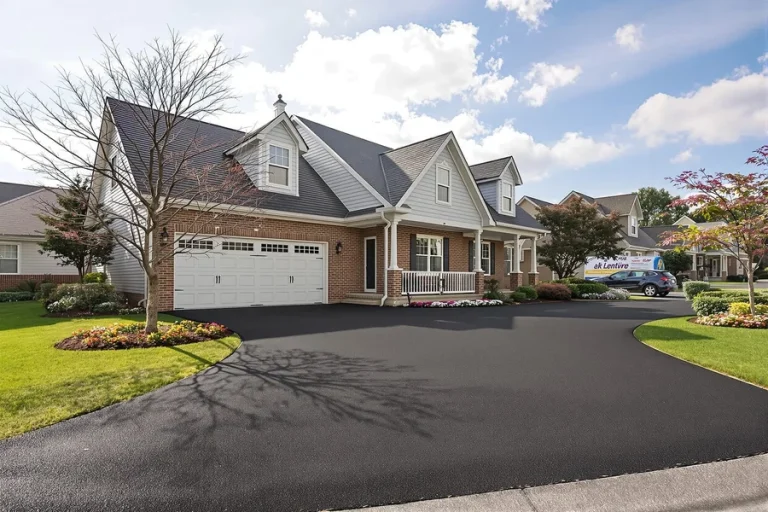
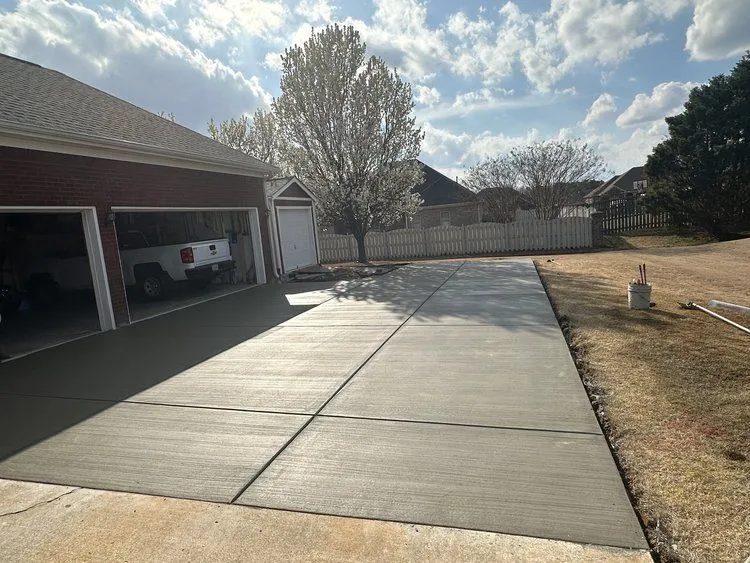
A home entrance does not need to be grand to be effective. It just needs to feel intentional. A small front path can work. A simple porch can work. A clean driveway can work. Even a plain gate can work if it matches the home and feels like it belongs there.
The problem starts when the entrance feels disconnected from the rest of the property.
A beautiful home with a broken gate feels unfinished. A peaceful garden with a harsh driveway entrance feels awkward. A private property with no clear boundary can feel exposed.
This is why details like custom driveway gates matter. They are not only about access. They can change the way a home introduces itself.
A Good Entrance Has a Point of View
Strong writing usually has a point of view.
Even simple writing feels better when the writer knows what they want the reader to feel. Calm. Curious. Excited. Suspicious. Comfortable. Ready for more.
Home design works the same way.
An entrance should not feel random. A modern home may need clean lines and simple materials. A traditional home may need warmer details. A rural property may need something stronger and more practical. A garden-heavy home may need an entrance that feels softer and more natural.
The best entrances do not try to say everything. They say one clear thing well.
That is also true in writing. A first paragraph that tries to be funny, dramatic, mysterious, poetic, and informative all at once can become tiring. A good beginning gives the reader a clear direction.
A good entrance does the same.
Privacy Can Still Feel Welcoming
Privacy is often misunderstood.
Some people think privacy means making a home feel closed off. But that is not always true. A private entrance can still feel beautiful, warm, and inviting.
A gate, fence, hedge, or wall can create a boundary without making the home feel unfriendly. The key is balance. Too much can feel cold. Too little can feel exposed.
Writers deal with this balance all the time.
A story should reveal enough to pull the reader in, but not so much that there is no mystery left. A home entrance should show enough to feel welcoming, but not so much that the property loses its sense of privacy.
That space between open and protected is where good design often happens.
Small Details Create the Mood
In books, small details often do the heavy lifting.
A cracked cup on a table. A character checking the window too often. A hallway that smells like rain. These things tell the reader more than a long explanation.
Home entrances also depend on small details.
The sound of gravel under a car.
The way the gate opens.
The height of the plants near the driveway.
The light near the path.
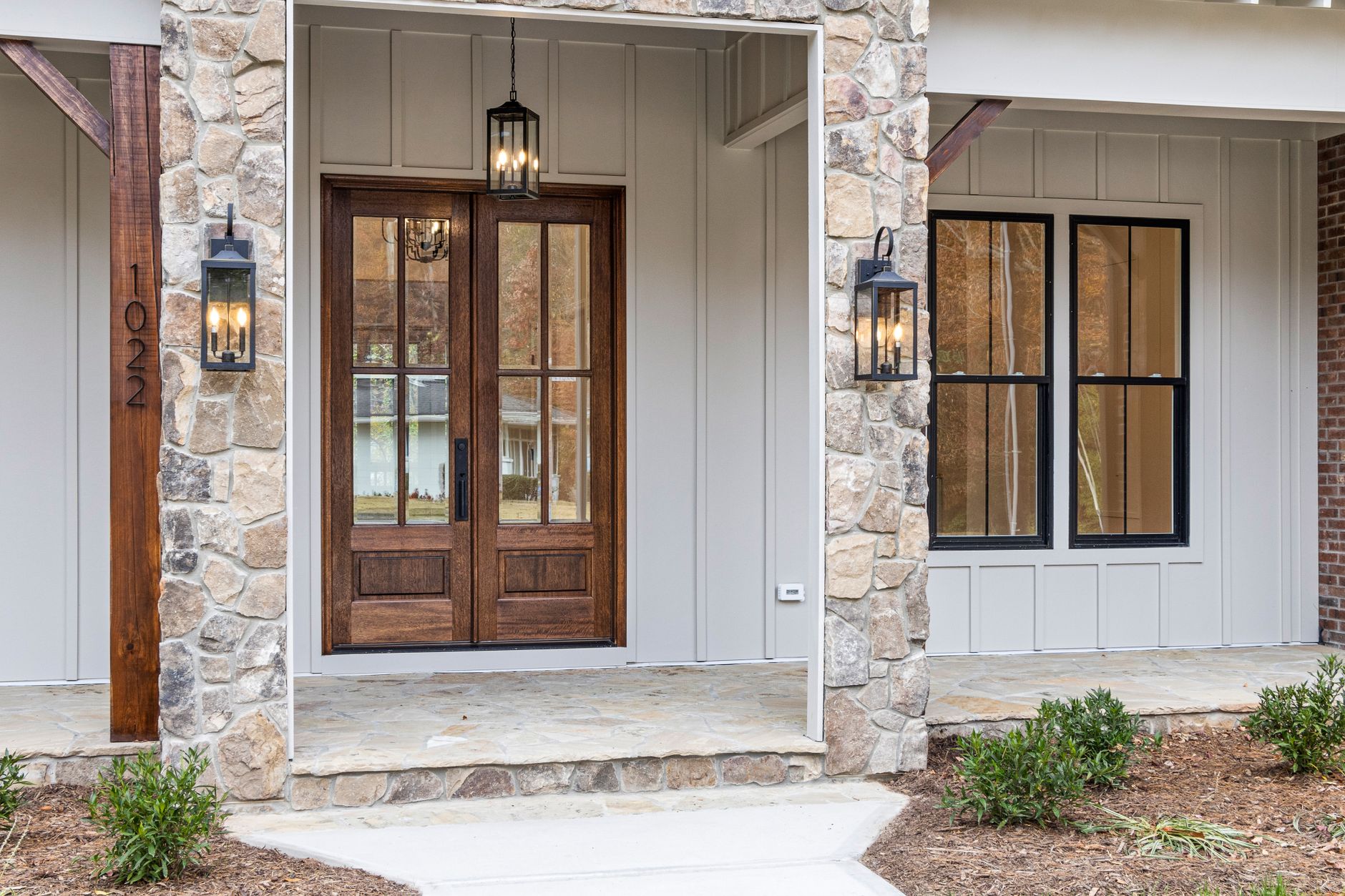
The color of the front door.
The shape of the handle.
None of these details may feel important alone. Together, they create the mood.
That is why a home can feel calm before you even know why. It is not one thing. It is the way all the details work together.
Function Still Matters
A beautiful sentence that says nothing useful will eventually lose the reader.
A beautiful entrance that does not work well will eventually annoy the homeowner.
This is where practical planning matters. A driveway gate should be easy to use. The entrance should allow safe movement. Lighting should help people see at night. Plants should not block visibility. The path should make sense. Guests should know where to go.
Design cannot only be about appearance.
Writers know this too. Style matters, but structure keeps the reader moving. A novel can have beautiful language, but if the story has no shape, most readers will struggle to stay with it.
A home entrance needs the same mix: beauty and structure.
The Entrance Should Match the Story Inside
One of the worst things a beginning can do is promise the wrong story.
If a book opens like a thriller but becomes a slow family drama, the reader may feel misled. If a home entrance feels ultra-modern but the rest of the property is warm and traditional, the design may feel confused.
The entrance should prepare people for what comes next.
That does not mean everything has to match perfectly. A little contrast can be interesting. But there should be some connection.
Materials, colors, shapes, lighting, and landscaping should support the larger feeling of the home. The entrance is the first chapter. It should not feel like it came from a different book.
A Strong Entrance Does Not Need to Be Loud
Some of the best opening lines in literature are quiet.
They do not shout. They do not explain everything. They simply create enough interest for the reader to continue.
Home entrances can work the same way.
Not every home needs a dramatic gate or a long driveway. Sometimes the strongest choice is simple: clean lines, good lighting, healthy plants, and a clear path. The point is not to impress everyone. The point is to make the home feel cared for.
A loud entrance can be memorable, but that does not make it good. A quiet entrance can be just as powerful when it fits the home.
Planning Makes the Difference
Good writing rarely happens by accident. Even when it feels natural, there is usually thought behind it.
The same is true for home design.
A homeowner may start with one small idea, such as changing the gate, improving lighting, or updating the driveway entrance. But it helps to think about the bigger picture. How does the entrance connect with the home? Does it improve privacy? Does it make daily life easier? Does it fit the style of the property?
For people comparing different home projects, a home remodeling resource can help organize ideas before making a final decision.
Planning does not remove creativity. It gives creativity a better place to land.
Every Home Tells a Story
A home is not a novel, but it still tells a story.
It tells a story through the way people arrive, the way spaces connect, the way light falls, and the way details are cared for. The entrance is where that story begins.
Writers know that beginnings matter because they shape expectations. Homeowners should think the same way.
A good entrance does not need to be expensive or dramatic. It needs to feel clear, useful, and connected to the life inside.
When the entrance is planned with care, the home feels more complete before the door even opens.