You added three workouts a week, and your appetite showed up like an uninvited roommate. Suddenly you're hungry at 10 am, starving by 4 pm, and eating dinner like you skipped lunch. That hunger isn't a character flaw. Your body is asking for fuel it didn't need two months ago.
The short answer: you don't need a whole new diet. You need to shift the timing, add a little protein, and stop running on empty before you train. Most people who get more active eat roughly the same food, just arranged differently. If you're in Park City and training for a trail season, this matters even more, since altitude and long climbs both raise your energy needs, and a Nutritionist Park City can help you match intake to the actual demands of your routine instead of guessing from a generic chart. Below is what that looks like across a typical week.
Your appetite is a signal, not a betrayal
When you start moving more, your body burns through stored energy faster and asks for replacement. That hunger is doing its job. The trick is feeding it with something that lasts, not a handful of crackers at your desk.
I'd rather you eat a real lunch and skip the afternoon vending machine run than white-knuckle it until dinner. The grazing problem usually solves itself once your meals actually carry enough fuel.
Protein first, then build the plate
Most newly active people under-eat protein and over-eat snacks. Protein is what helps you recover, and it keeps you full longer, which quietly solves half the grazing problem. Aim to put a palm-sized portion on your plate at every meal, breakfast included.
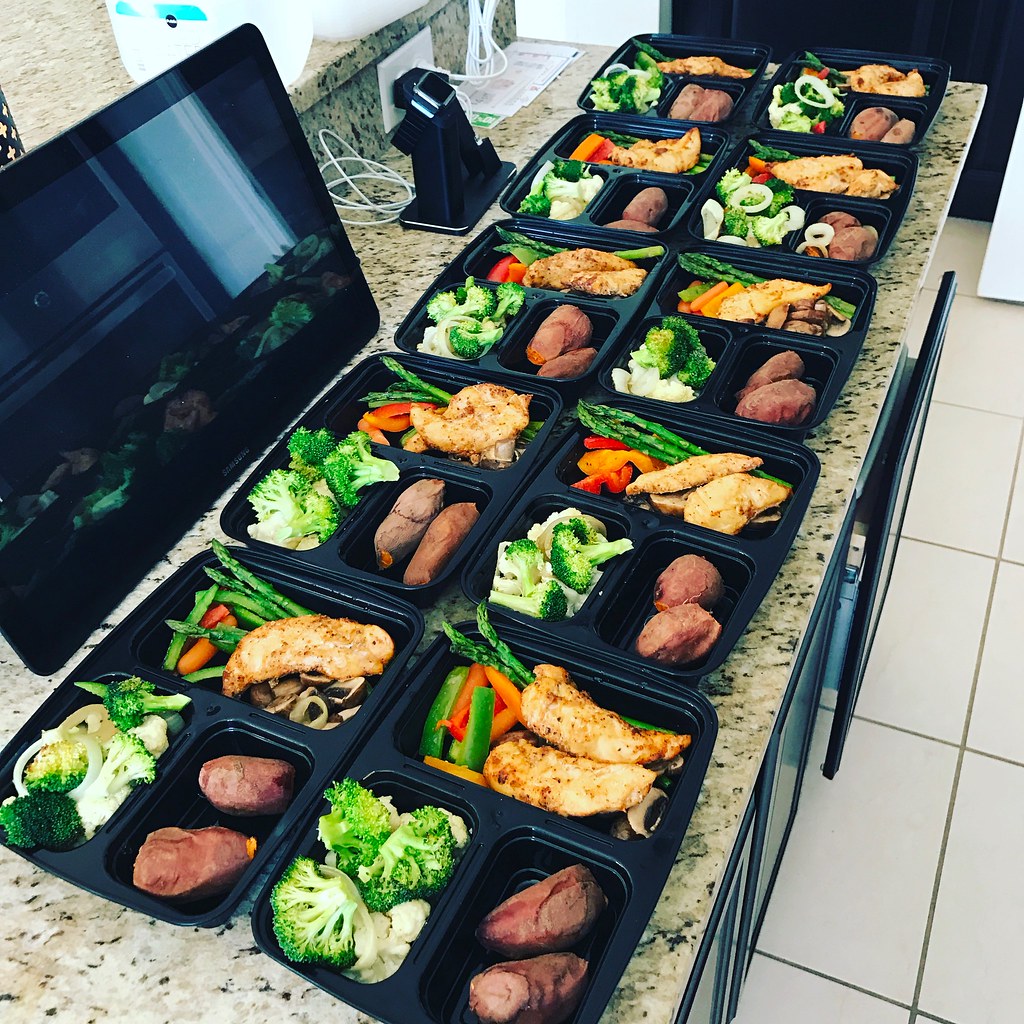
Eggs, Greek yogurt, chicken, beans, tofu, canned fish. Nothing fancy. The people who stick with this are the ones who keep two or three easy protein options stocked in the kitchen at all times. A rigid menu isn't the answer. A fallback for the nights you're too tired to cook. You can also read Simple Nutrition Strategies to Build Mass and The Everyday Habits That Make a Difference to Your Long-Term Well-Being for more.
Carbs are not the enemy here
This is where a lot of people trip. They get more active and immediately cut carbs, then wonder why their workouts feel awful by Thursday. Carbs are your fastest fuel source, and if you're training, you want them around your sessions.
Rice, oats, potatoes, fruit, bread. Eat them before and after you move. Save the lighter, veggie-heavy meals for rest days. That's the whole strategy, and it's far less complicated than tracking macros in an app.
Timing beats perfection
You don't need to nail every meal. You need to stop showing up to a workout underfed. A banana and a spoon of peanut butter twenty minutes before you head out does more for your session than a perfect meal plan you never follow.
After training, get protein and carbs in within an hour or so. A turkey sandwich, a smoothie with yogurt, leftover rice and eggs. The window is wider than the fitness blogs claim, but eating soon after helps you recover and keeps the late-night pantry raid from happening at all.
Research on eating patterns and physical activity keeps pointing in the same direction: that consistency across the week matters more than any single perfect meal, as the American Council on Exercise outlines. So build a pattern you can repeat, not a diet you can survive for two weeks.
Hydration counts as nutrition
You'll hear a lot about electrolytes once you're training hard. For most people, plain water and normal meals cover it. If you're sweating for over an hour in the heat, add a pinch of salt to your water or reach for a drink that carries electrolytes. Nothing more complicated than that. You don't need a $40 tub of powder for a 45-minute class.
A simple way to start this week
Don't overhaul everything on Monday. Pick two changes and run them for a week.
- Put a protein source on your breakfast plate every day.
- Eat a small carb snack before your workout instead of going in hungry.
- Keep a water bottle where you can see it, not in a cabinet.
- Plan one easy post-workout meal you can make in ten minutes.
Then take stock of how you feel. Are you recovering better? Sleeping well? Less ravenous at odd hours? Those are the signals worth watching, not the number on the scale. Public health guidance on activity and nutrition tends to agree that small, repeatable habits beat dramatic overhauls, as this county health survey illustrates in its own data on youth habits.
When to get help instead of guessing
If you've been at this for a couple of months and you're exhausted, not recovering, or stuck despite doing everything right, that's a signal to look deeper. Bloodwork can show what a food diary can't, whether it's iron, thyroid, or something else entirely. General guidance on diet and activity is a good starting point, but it isn't personal to your body, as the National Library of Medicine notes in its review of diet and activity barriers.
You don't have to sort this out on your own. Start with the two changes above, give them a real week, and pay attention to how you feel. If your body keeps asking for more, listen, then get someone to help you read the answer.