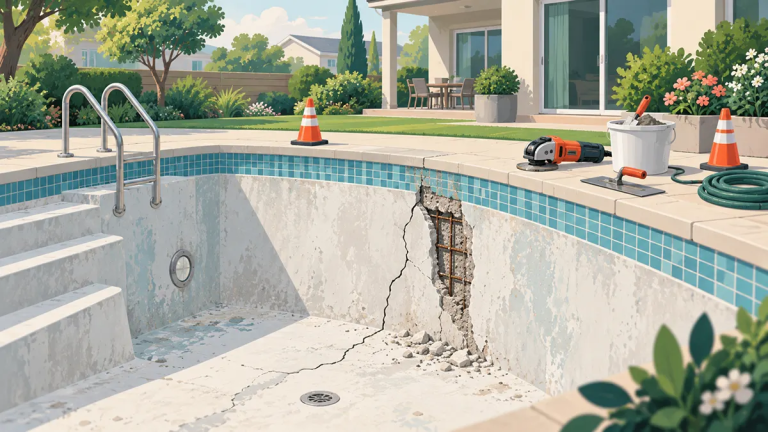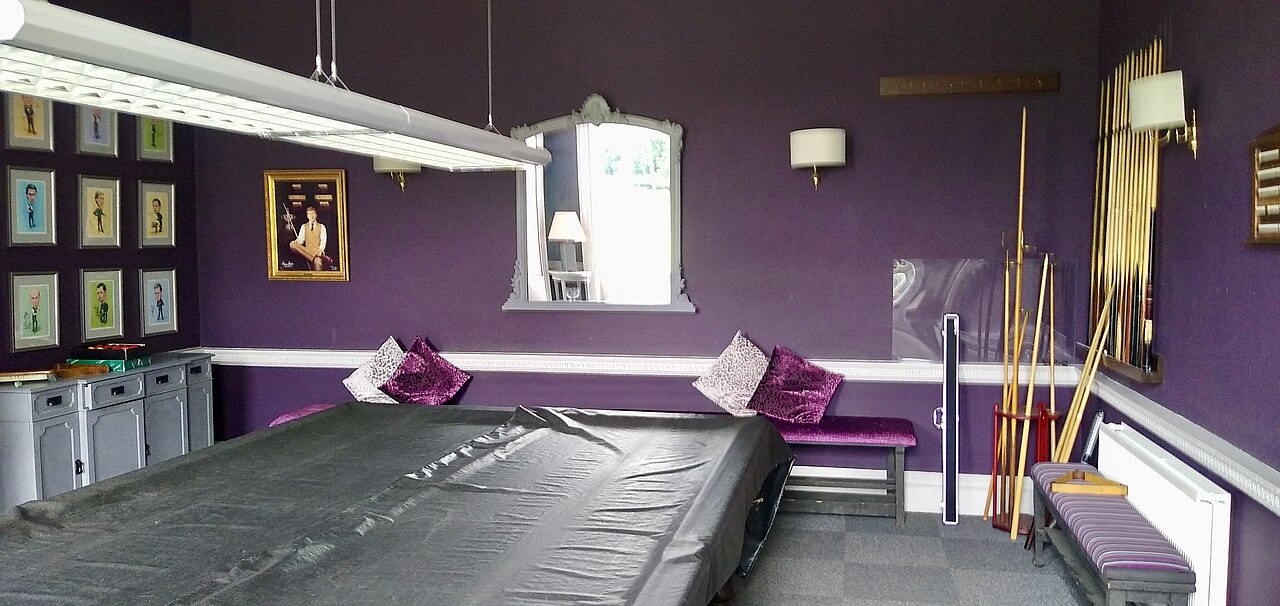
The average finished basement costs more than most people expect: four walls, a ceiling, flooring, electrical, and a permit line that all land before anyone plays a single game of pool. I’ve watched three neighbors go through it and only one still uses the space every week.
A game room costs less per usable square foot in most homes, and it starts earning its keep the day the table lands. Not because it’s fancy, but because it sits where the rest of the house already lives. You walk past it on the way to the kitchen, so you actually walk into it. That proximity is the whole trick.
The build itself is where homeowners slip up, and it’s rarely the pool table’s fault. A crew that sells tables, installs them, and delivers them in one trip spares you a headache or two. That’s why I point people toward Atlantic Spas & Billiards in Raleigh when the room needs a cue rack, a game table, or a hot tub on the deck just outside. One vendor, one delivery window, one number to call when something shows up wrong.
What a game room actually costs you, room by room
Picture a typical spare bedroom, about 200 square feet. You don’t need a contractor for most of the work. You need a plan, a few weekends, and a willingness to say no to the taxidermy your brother keeps offering to donate.
| Item | What drives cost | Worth spending on? |
|---|---|---|
| Pool or game table | Slate thickness, frame build, felt | Yes, it’s the centerpiece |
| Flooring | Shock absorption, noise control | Yes, cheap carpet shows fast |
| Lighting | Table-focused fixtures, dimmers | Yes, glare kills the vibe |
| Storage | Cue rack, game cabinet, clutter zones | Yes, mess ruins the room |
| Decor | Art, signs, wall color | Moderate, do it last |
Notice the pattern. The things you touch or look at every session earn the money. The things that only exist for a photo get whatever’s left.
Basement or first-floor room: which one holds value?
Basements are great when they’re already finished. When they’re not, the math gets messy, and the reason is simple: buyers treat below-grade square footage skeptically. Water worries, low ceilings, and windowless space all sit in the back of their minds.
An above-grade room reads as ordinary living space. Real windows, standard ceiling height, no sump pump jokes. According to Census Bureau data on American housing, most occupied homes weren’t built with a finished lower level at all, which tells you how often that build gets taken on later. It’s a project, not a birthright.
My honest read: if you have a spare room and no flooded floor history, build the game room first. Spend two years living with it. If everyone uses it and you still want more space, then the basement conversation makes sense. Doing it backward is how people end up with a beautiful underground room nobody enters.
Build the room around the table, not the walls
Here’s where I’ll get opinionated. Most people pick the table last, after flooring and paint, which is backward. The table sets the room’s dimensions, and those dimensions set everything else.
The Clear The Cue method is what I use, and it works in almost any room:
- Measure the stroke zone. A standard cue needs a few feet of open space behind the back rail. Push a table against a wall and you’ll feel it on every shot.
- Set the light before the paint. A fixture over the table changes how colors look. Choose the fixture first, then pick a wall color under that light.
- Plan a walk line. People drift toward the table from the doorway. Leave a clear path so nobody’s hip-checking the corner pocket.
- Anchor the far wall. A cue rack, a cabinet, or a bar cart gives the room a visual end. Panels and signs here do the most work.
The same logic applies whether you’re fitting a hot tub on a screened porch or setting up a shuffleboard in the hallway. Movement needs open floor. It always has.
Does a game room really add resale value?
Not as a line item on an appraisal. Appraisers measure rooms and condition, not fun. But that’s the wrong way to see it.
A finished, well-lit room improves how buyers experience the rest of the house, and that impression carries weight. National Association of Home Builders surveys have long shown that a share of buyers pay attention specifically to recreation and entertainment space when touring a home. Value shows up as interest, showing activity, and faster offers, and interest is what gets your house sold. The National Association of Home Builders tracks these buyer preferences year after year, and home entertainment space keeps earning mentions.
So build for your household, keep it neutral enough to age well, and let the buyer’s imagination do the rest. Neutral isn’t boring. It’s a courtesy to whoever sleeps in that room five years from now.
The maintenance trap nobody warns you about
Game rooms collect dust, and felt collects dust faster. A cover for the table when it’s not in use, a quick brush-down once a month, and a dehumidifier in humid months will keep the fabric and rails in shape far longer than any upgrade.
Keep a small repair kit on hand: chalk, a tip shaper, spare ferrules, a bulb for the fixture. NIST publishes standards and measurement tools that underpin a lot of manufacturing quality control, and those same tolerances show up in how a table is leveled and how a cue is balanced. Small maintenance is where that quality either holds or fades.
Before you build, answer these three questions
First, who’s using it? Families with kids and friends over weekly need durable everything. A hobbyist who plays solo needs precision and quiet. Two very different shopping lists.
Second, what’s the noise plan? A game room upstairs sounds great until the foosball table sits right above a bedroom. Rugs and pads work wonders, and an enclosed room beats an open landing every time.
Third, what’s the exit? Pick a room you can convert back to a bedroom or office if your household changes shape. That flexibility is the most reliable resale insurance a room can have.
Get those three answers right and the build gets easy. Get them wrong and you’ll be the neighbor with an expensive room full of unused gear, which is the story I hear most often.
Where it all lands
Build the game room before the basement, center it on a table you’ll actually use, spend on the things people touch, and keep the room convertible. That’s the whole playbook. None of it requires a contractor, and all of it survives a resale.
For more on a related topic, read 5 Electrical Remodeling Projects Worth Considering Today.
If your spare room has been sitting empty since you moved in, you already own the space. The only question left is whether you’ll spend the next year walking past it or playing in it. What’s one Saturday worth to you?