
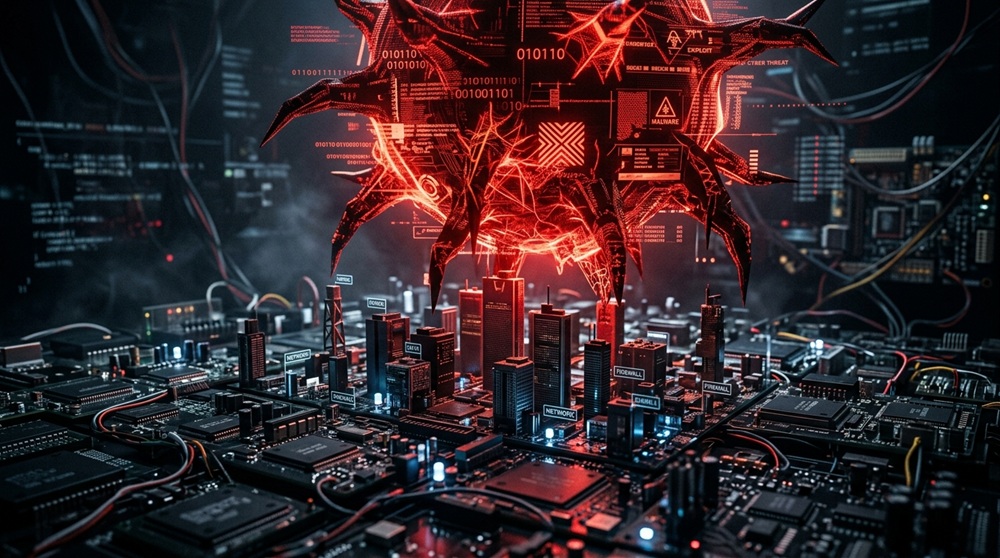

Cybersecurity threats have grown more sophisticated in 2026, driven largely by one major shift: artificial intelligence is now a tool for both defenders and attackers. Understanding today’s biggest risks is the first step toward protecting yourself online.
AI-Powered Phishing and Social Engineering
Smarter, More Convincing Scams
Phishing remains one of the most common attack methods, but AI has changed the game. AI can create fake emails, fake websites, and even deepfake voice or video messages that look real, making phishing and social engineering attacks harder to spot than the typo-filled scams of the past.
Deepfake Impersonation
Voice and video deepfakes are increasingly used to impersonate trusted people—coworkers, family members, or executives—to trick victims into transferring money or sharing sensitive information.
Ransomware Attacks
Ransomware continues to dominate the threat landscape. Ransomware activity surged in 2025 to record levels after earlier declines, with attackers increasingly prioritizing speed, access, and operational disruption over developing novel exploits. These attacks encrypt victims’ data and demand payment for its release, often crippling businesses and individuals alike.
Identity and Credential Threats
Password and MFA Attacks
Weak or reused passwords remain a leading entry point for attackers. Even multi-factor authentication isn’t foolproof—MFA fatigue attacks bombard users with authentication requests until one is mistakenly approved.
Credential Theft and Session Hijacking
Attackers increasingly focus on stealing login credentials or hijacking active sessions rather than breaking through technical defenses directly, making identity protection a top priority for 2026.
Zero-Day Exploits and Unpatched Systems
Software vulnerabilities remain a critical risk, especially as automated tools help attackers find and exploit them faster than ever. Slow patch cycles and outdated endpoints create easy points of entry, particularly when a zero-day vulnerability goes unaddressed.
Supply Chain Attacks
Rather than attacking a target directly, cybercriminals compromise trusted vendors or software providers, allowing malicious code to spread through legitimate updates. This approach lets attackers reach many victims through a single, trusted source.
AI as an Attack Tool
AI isn’t just improving phishing—it’s automating entire attack chains. Security researchers have observed AI agents performing reconnaissance, exploitation, and lateral movement autonomously, dramatically shrinking the time defenders have to respond.
Public Wi-Fi and Unsecured Networks
Connecting to unsecured public Wi-Fi remains a common way attackers intercept data or launch man-in-the-middle attacks, especially for users who aren’t using a VPN or encrypted connection.
Smart Devices and IoT Vulnerabilities
Smart TVs, home cameras, and Wi-Fi routers are increasingly targeted, often because they’re overlooked when it comes to updates and security settings, making them easy entry points into home networks.
How to Protect Yourself
Practical Steps That Make a Real Difference
Basic habits go a long way toward reducing risk: keep software updated, enable multi-factor authentication, use a password manager to generate and store unique passwords, avoid unsafe public Wi-Fi without a VPN, and stay skeptical of unexpected messages—even ones that look and sound legitimate.
Stay Alert to AI-Generated Content
Since scams increasingly use AI-generated text, voice, and video, verifying unusual requests through a separate, trusted channel (like calling someone directly) is more important than ever.
Final Thoughts
The cybersecurity landscape in 2026 is shaped by one clear trend: AI has made attacks faster, more convincing, and harder to detect. While the tools attackers use keep evolving, the fundamentals of good security—strong unique passwords, multi-factor authentication, cautious skepticism, and updated software—remain the most effective defense for everyday internet users.
Ready for the next topic whenever you are.