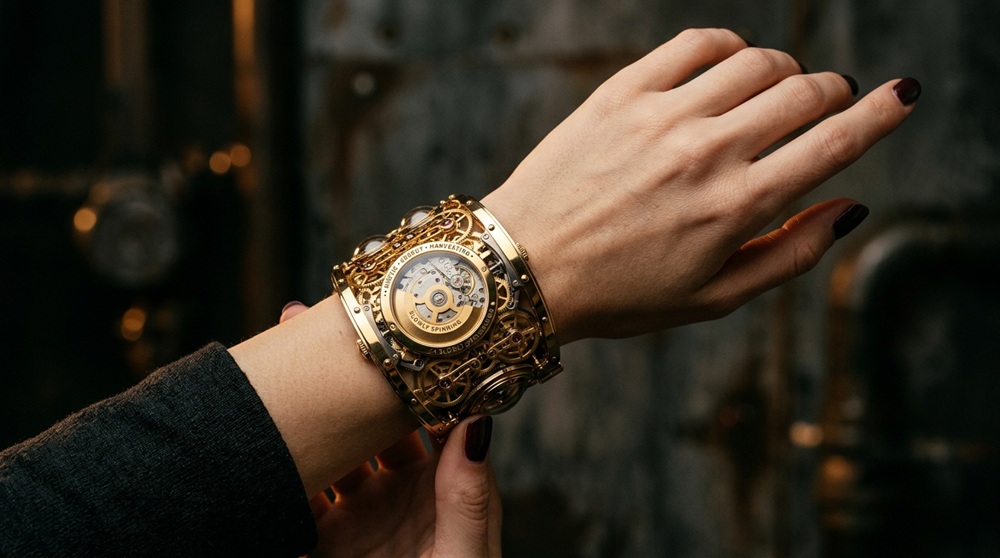

Smartwatches were just the beginning. In 2026, wearable technology has expanded far beyond the wrist, moving into rings, glasses, fabric, and even skin-integrated sensors. Here’s where the category is headed next.
Smart Rings: Small Devices, Big Capability
The Shift Toward Minimalism
A major trend in 2026 is the move toward smaller, more discreet wearables, especially smart rings, which deliver powerful health tracking in a compact, stylish form. Users increasingly want continuous tracking without the bulk or constant screen presence of a smartwatch.
Clinical-Grade Features in a Tiny Package
Smart rings now include clinical-grade heart rate sensors and posture-tracking accelerometers, going well beyond simple step counting to offer real health insight in a form factor most people barely notice they’re wearing.
Smart Glasses: Ambient Computing Arrives
Moving Past Bulky AR Headsets
AI-powered smart glasses are quickly moving from futuristic concepts into practical everyday wearable technology. Rather than requiring users to constantly check a phone or watch, glasses are introducing more seamless, ambient computing that fits naturally into daily life.
Designed to Disappear
Newer AI wearables are focusing less on bulky AR experiences and more on lightweight, fashion-conscious designs that blend into everyday style rather than announcing themselves as tech.
Smart Clothing and Fabric
Clothing as Hardware
Smart fabric has moved from experimental fashion into practical, everyday use in 2026. Clothing itself is becoming the hardware, embedding sensors directly into fabric rather than requiring a separate device strapped to the body.
Non-Invasive Health Monitoring
Glucose Monitoring Without Needles
One of the most anticipated developments—non-invasive glucose monitoring—has started appearing in premium smartwatches and specialized patches in 2026. These devices use optical sensors and sweat analysis to track glucose levels without a single needle prick, giving everyday users and athletes real-time metabolic data once reserved for medical patients or elite professionals.
Predictive Health Analytics
Machine learning models trained on large health datasets can increasingly detect early warning signs of medical concerns, surfacing notifications to users or healthcare providers before a problem becomes serious. This marks a shift from reactive to preventive health monitoring.
AI-Powered Hearables
Earbuds as Proactive Coaches
Paired with edge-AI chips now built into many wearables, “hearables”—AI-infused earbuds—are evolving into proactive audio coaches rather than simple music players, offering real-time guidance based on biometric and contextual data.
Screenless Wearables
Rather than relying on traditional displays, some emerging devices communicate through haptic feedback, audio cues, or ambient light instead of a screen—reducing distraction while still delivering useful information.
Where This Is Heading
Toward Always-On Assistants
The long-term trajectory points toward wearables functioning as always-on AI assistants, capable of understanding user behavior and making proactive decisions rather than simply reporting data after the fact.
A Role in Precision Medicine
Wearables are expected to play a growing role in precision medicine, where health data feeds into more individually tailored treatment and prevention strategies rather than generic recommendations.
What This Means for Consumers
The wearable category is diversifying rather than consolidating around one device type. Rings suit people who want discreet, continuous tracking; glasses suit those wanting hands-free, ambient information access; and smart clothing suits those wanting sensors integrated invisibly into daily wear. Rather than replacing the smartwatch, these categories are carving out their own use cases alongside it.
Final Thoughts
Wearable technology is shifting from visible, screen-based devices to invisible, deeply integrated ones that interpret data rather than just collect it. As smart rings, glasses, and fabric mature alongside advances like non-invasive glucose monitoring, the next few years will likely blur the line between wearable tech and simply being tech that happens to be worn.
Ready for the next topic whenever you are.